
VMRDA Approved Plots in Vizag - The Complete Buyer's Guide
Welcome to the Complete Guide
Buying a plot is one of the biggest financial decisions you’ll ever make. Whether you’re purchasing land to build your dream home, invest for the future, or secure your family’s wealth, choosing a VMRDA-approved plot can significantly reduce legal risks and provide greater peace of mind.
However, many buyers have important questions:
- What exactly is a VMRDA-approved plot?
- How can I verify whether a layout is genuinely approved?
- What is an LP Number and why is it important?
- Is VMRDA the same as VUDA?
- Can banks finance VMRDA-approved plots?
- What documents should I check before registration?
- Which areas around Visakhapatnam offer strong long-term investment potential?
- How do major developments like Bhogapuram International Airport and the VMRDA Master Plan influence future growth?
This comprehensive guide answers these questions and many more. It has been created to help first-time buyers, investors, NRIs, families, and professionals make informed decisions when purchasing VMRDA Approved plots in Vizag based on reliable information—not marketing claims.
Rather than promoting a particular project, this guide focuses on educating buyers about the planning, legal, and practical aspects of purchasing VMRDA-approved plots in and around Visakhapatnam.
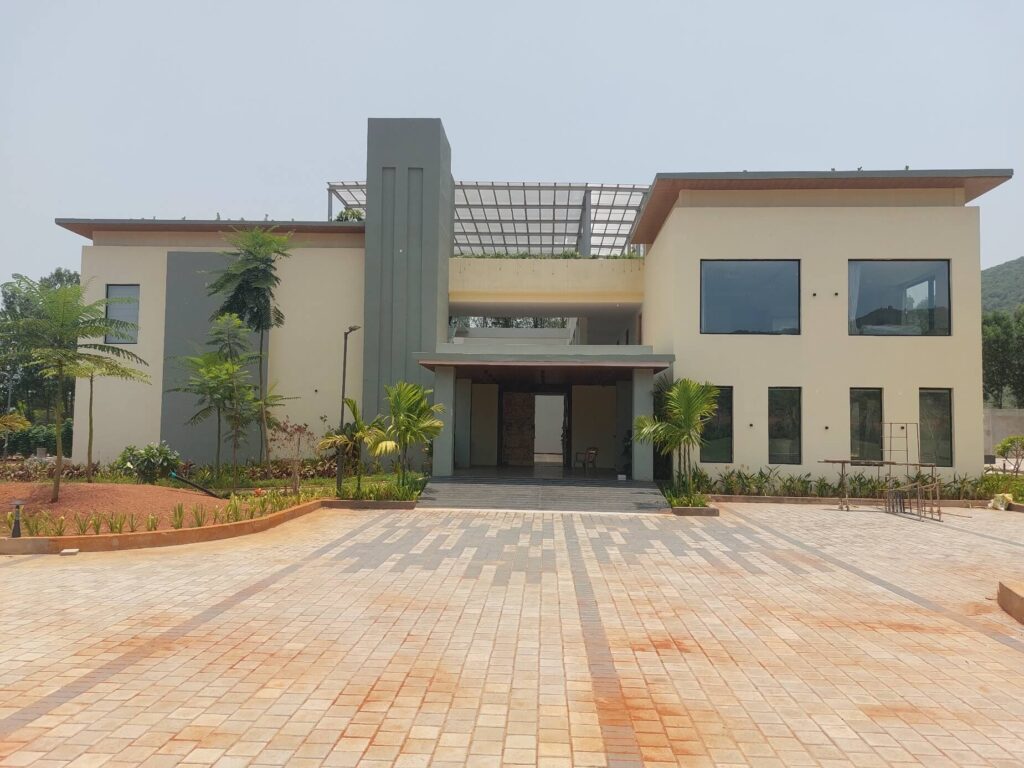
Table of Contents
ToggleQuick Answer: What is a VMRDA Approved Plot?
A VMRDA-approved plot is a residential or commercial plot located within a layout that has been approved by the Visakhapatnam Metropolitan Region Development Authority (VMRDA) in accordance with applicable planning regulations, layout standards, and development requirements.
Before granting approval, VMRDA reviews the proposed layout to ensure it complies with prescribed planning norms. Depending on the applicable regulations and location, these may include aspects such as:
- Road network and minimum road widths
- Open spaces and park reservations
- Drainage planning
- Water supply provisions
- Utility corridors
- Public amenities
- Land-use conformity
- Development standards
- Other planning requirements under applicable rules
Once approved, the layout is assigned an LP (Layout Permission) Number, which serves as the official approval reference for that layout.
Important: A VMRDA layout approval confirms that the layout has been approved from a planning perspective. Buyers should also independently verify ownership, title, encumbrances, survey details, and other legal documents before purchasing any property.
Throughout this guide, we’ll explain exactly how to verify these details and what documents every buyer should review before making a decision.
Want to understand why Visakhapatnam is attracting homebuyers and investors? Explore our detailed guide on Why Invest in Vizag to learn how major infrastructure projects, economic growth, and future development are shaping the city’s real estate market.
Why This Guide is Different
If you’ve searched online for information about VMRDA-approved plots, you’ve probably noticed that much of the available content is either very brief, heavily promotional, or missing important details.
This guide is different.
Instead of focusing on selling a project, we’ve created a practical knowledge resource designed to answer real questions buyers ask before investing.
Here’s what makes this guide unique:
Comprehensive and Practical
Rather than covering only the basics, this guide explores the full buying journey—from understanding VMRDA and layout approvals to document verification, registration, investment considerations, and future development plans.
Based on Reliable Sources
Where applicable, we reference official planning documents, government notifications, and publicly available information. If a topic cannot be confirmed through reliable sources, we’ll clearly say so instead of making assumptions.
Written for Real Buyers
Planning regulations and legal terminology can seem complicated. We’ve explained concepts in straightforward language with practical examples so that first-time buyers can understand them with confidence.
Balanced and Transparent
Not every approved layout is automatically the right investment, and not every area appreciates at the same rate. This guide discusses both the advantages and the considerations buyers should evaluate before making a decision.
Continuously Updated
Planning regulations, infrastructure projects, and development proposals can change over time. We intend to review and update this guide periodically so it remains useful and relevant.
Who Should Read This Guide?
This guide has been written for anyone considering purchasing land in or around Visakhapatnam, including:
First-Time Plot Buyers
If you’ve never purchased land before, you’ll learn the terminology, approval process, legal checks, and common mistakes to avoid.
Families Planning to Build a Home
Understand how approved layouts, infrastructure, and future development can influence your long-term living experience.
Long-Term Investors
Explore factors that may influence land demand, infrastructure growth, and emerging development corridors over the coming years.
NRIs
If you’re purchasing property from outside India, this guide explains important verification steps that can help reduce uncertainty.
Government Employees and Professionals
Whether you’re planning for retirement, building a future home, or investing surplus savings, understanding approval processes can help you make more informed decisions.
Real Estate Researchers
Students, consultants, and anyone interested in urban development will find useful background information about VMRDA, planning policies, and regional development.
What You'll Learn in This Guide
By the end of this guide, you’ll have a much clearer understanding of topics including:
- What VMRDA is and how it functions
- The history of VUDA and its transition to VMRDA
- Differences between VUDA and VMRDA
- What makes a plot VMRDA approved
- Why layout approval matters
- How LP Numbers work
- How to verify a layout approval
- Planning standards followed during approvals
- Roads, parks, drainage, utilities, and infrastructure requirements
- Mortgage plots and mortgage release
- Legal document verification
- Registration process
- Home loans for approved plots
- Building permissions after purchase
- Common mistakes buyers should avoid
- Site visit checklist
- Investment checklist
- Future development corridors
- Bhogapuram International Airport
- VMRDA Master Plan 2041
- Perspective Plan 2051
- Frequently Asked Questions
- Helpful resources and checklists for buyers
Rather than reading multiple articles from different sources, you’ll find all these topics organized in one place.
Why Trust VizagPropertys?
At VizagPropertys, we specialize in VMRDA-approved open plots across the Visakhapatnam region. Our goal is not simply to help you purchase land, but to help you understand the approval process, evaluate layouts, verify important documents, and choose a property that aligns with your long-term goals.
We believe an informed buyer makes a better investment decision. That’s why we’ve created this guide as a long-term educational resource for anyone researching plots in Vizag.
Start Your Property Search with Confidence
Understanding approvals is only the first step.
The next step is finding a layout that matches your goals, budget, and preferred location.
We focus on VMRDA-approved plots in and around Visakhapatnam and strive to provide buyers with clear information to support informed decisions.
Whether you’re planning to build a home, invest for the future, or compare locations, we’re happy to help you explore suitable options.
Ready to Take the Next Step?
- Speak with our team for guidance on VMRDA-approved layouts.
- Explore available projects across key growth locations.
- Schedule a site visit at your convenience.
- Get assistance understanding approvals and documentation.
Contact VizagPropertys today to begin your property search with confidence.
Fact Verification Notes
The introductory concepts in this section are based on the role of VMRDA as the statutory metropolitan planning authority and general layout approval principles. In later sections, we’ll reference official sources—including VMRDA planning documents, government notifications, and applicable planning regulations—when discussing topics such as Master Plan 2041, Perspective Plan 2051, LP numbers, and layout approval procedures.
One important clarification maintained throughout this guide: VMRDA layout approval relates to planning compliance. Buyers should still independently verify title, ownership, encumbrances, and other legal aspects before purchasing any property.
Understanding VMRDA (Approved Plots in Vizag)
What is VMRDA? | Why It Was Established | Functions | Powers | Jurisdiction | Administrative Structure
What is VMRDA?
The Visakhapatnam Metropolitan Region Development Authority (VMRDA) is the statutory metropolitan planning and development authority responsible for guiding the planned growth of the Visakhapatnam Metropolitan Region in Andhra Pradesh.
Rather than functioning as a municipal corporation or land registration office, VMRDA serves as a regional planning authority. Its primary responsibility is to ensure that urban development takes place in a systematic, sustainable, and legally compliant manner across the metropolitan region.
As Visakhapatnam continues to expand beyond the city limits, new residential areas, industrial zones, commercial corridors, educational institutions, transportation networks, and infrastructure projects require coordinated planning. VMRDA provides this long-term planning framework.
For anyone purchasing a plot in or around Visakhapatnam, understanding the role of VMRDA is important because it is the authority that approves layouts within its jurisdiction, helping ensure that developments meet prescribed planning standards.
Understanding VMRDA in Simple Words
Imagine building a new town without any planning.
One developer constructs narrow roads.
Another leaves no space for parks.
A third builds houses without proper drainage.
A fourth ignores future road widening.
Within a few years, the entire area faces traffic congestion, flooding, utility problems, and poor living conditions.
This is exactly what urban planning authorities are designed to prevent.
VMRDA ensures that development follows a structured plan rather than happening randomly.
Instead of allowing unplanned layouts, it reviews proposals to verify that they meet applicable planning norms before granting layout approval.
Full Form of VMRDA
VMRDA
Visakhapatnam Metropolitan Region Development Authority
It is a statutory metropolitan development authority constituted by the Government of Andhra Pradesh for the planning and coordinated development of the Visakhapatnam Metropolitan Region.
Why Was VMRDA Established?
Visakhapatnam has transformed significantly over the past few decades.
What was once primarily a coastal city has evolved into one of eastern India’s most important centres for:
- Port-based industries
- Steel manufacturing
- Petroleum and refining
- Information Technology
- Pharmaceuticals
- Defence establishments
- Tourism
- Education
- Logistics
- Healthcare
Growth also extended far beyond the original city boundaries.
Neighbouring towns and villages increasingly became part of the broader metropolitan economy.
Without coordinated planning, such rapid expansion can create challenges including:
- Congested roads
- Unplanned layouts
- Inadequate drainage
- Encroachment on public spaces
- Traffic bottlenecks
- Environmental degradation
- Infrastructure shortages
To address these challenges, the Government of Andhra Pradesh strengthened regional planning by establishing VMRDA as the metropolitan planning authority for the wider region.
This enables development decisions to consider not only today’s needs but also the requirements of future generations.
The Purpose of VMRDA
VMRDA does much more than approve layouts.
Its broader objective is to guide the long-term development of the metropolitan region through integrated planning.
Its responsibilities include promoting:
- Planned urban expansion
- Balanced regional development
- Sustainable infrastructure
- Transportation planning
- Environmental protection
- Public amenities
- Industrial development
- Residential growth
- Commercial development
- Tourism infrastructure
- Future growth corridors
The authority seeks to ensure that development is coordinated rather than fragmented.
Vision Behind Metropolitan Planning
Modern cities do not stop growing at municipal boundaries.
People often live in one area, work in another, study elsewhere, and travel across multiple districts each day.
Because of this, planning cannot be limited to individual municipalities.
Instead, metropolitan planning considers:
- Regional transportation
- Economic growth
- Housing demand
- Industrial expansion
- Environmental conservation
- Public infrastructure
- Urban resilience
- Future population growth
VMRDA plays this coordinating role for the Visakhapatnam Metropolitan Region.
Why VMRDA Matters to Plot Buyers
Many buyers focus only on the plot itself.
However, experienced investors also evaluate the surrounding area.
Questions such as these become important:
- Will the road network improve?
- Are there future infrastructure projects nearby?
- Is the area designated for residential use?
- Could industrial activity affect residential living?
- Are parks and public amenities planned?
- Will the locality receive supporting infrastructure over time?
While no authority can guarantee future property appreciation, planned development generally provides a stronger foundation for orderly urban growth than unplanned expansion.
Understanding VMRDA helps buyers make more informed decisions.
Main Functions of VMRDA
VMRDA performs a wide range of planning and development responsibilities.
Some of its major functions include:
1. Regional Planning
Preparing long-term development strategies for the metropolitan region.
This includes planning for:
- Residential growth
- Commercial areas
- Industrial zones
- Transportation
- Public infrastructure
- Environmental protection
2. Master Planning
Preparing and implementing master plans that guide future land use and infrastructure development across the metropolitan region.
Master plans provide an overall framework rather than approving individual property transactions.
3. Layout Approvals
One of the functions most familiar to property buyers is the scrutiny and approval of layout proposals within VMRDA’s jurisdiction, subject to applicable planning rules and regulations.
During this process, planning aspects such as road layouts, open spaces, circulation, and infrastructure provisions are examined before approval.
4. Infrastructure Coordination
Urban development requires coordination among multiple government departments.
VMRDA works alongside various agencies involved in infrastructure planning and implementation.
Examples include planning related to:
- Major roads
- Regional connectivity
- Public infrastructure
- Growth corridors
5. Sustainable Development
Modern planning also considers environmental sustainability.
This may include protecting environmentally sensitive areas, promoting green spaces, and supporting balanced land-use planning in accordance with applicable policies.
6. Urban Growth Management
As cities expand, planners need to consider future population, housing demand, transport networks, and infrastructure capacity.
VMRDA helps guide this long-term regional growth.
Powers of VMRDA
As a statutory planning authority, VMRDA exercises powers assigned under the relevant laws and government notifications governing metropolitan planning and development.
These powers generally relate to:
- Regional planning
- Development planning
- Layout approvals within its jurisdiction
- Implementation of planning regulations
- Coordination of development activities
- Preparation of master plans
- Land-use planning
- Urban development initiatives
Specific powers and procedures are governed by applicable legislation and government regulations.
Areas Covered by VMRDA
VMRDA’s jurisdiction extends well beyond Visakhapatnam city.
It covers the broader metropolitan region, including multiple urban and rural areas that are planned as part of the region’s future growth.
Depending on government notifications and subsequent revisions, the metropolitan region includes areas across:
- Visakhapatnam district
- Anakapalli district
- Vizianagaram district
The exact jurisdiction may change over time through government notifications. Buyers should always refer to the latest official VMRDA notifications when confirming whether a particular property falls within VMRDA’s planning area.
Why This Matters for Investors
Many of the locations attracting investor interest today fall within the broader metropolitan planning region rather than the original municipal limits.
Examples include areas around:
- Bhogapuram
- Anandapuram
- Bheemili
- Atchutapuram
- Kothavalasa
- Vizianagaram growth corridor
- Anakapalli growth corridor
Understanding the planning authority responsible for these areas helps buyers better interpret layout approvals and future planning initiatives.
Administrative Structure of VMRDA
Like other metropolitan development authorities, VMRDA operates through an administrative framework established by the Government of Andhra Pradesh.
While the organizational structure may evolve over time, it generally includes leadership and technical divisions responsible for planning, engineering, administration, finance, legal matters, and development functions.
Key departments typically include:
Planning Wing
Responsible for:
- Master plans
- Land-use planning
- Layout scrutiny
- Urban planning studies
Engineering Wing
Responsible for development-related engineering activities and coordination on infrastructure projects undertaken by the authority.
Administration
Handles establishment matters, public administration, and organizational functions.
Finance
Responsible for budgeting, financial management, and administrative finance.
Legal
Deals with legal matters involving the authority, including applicable planning and development issues.
Estate and Land Management
May oversee land-related matters administered by the authority in accordance with applicable laws and government policies.
Is VMRDA the Same as the Registration Department?
No.
This is one of the most common misunderstandings among buyers.
VMRDA is responsible for metropolitan planning and layout approvals.
The Registration Department handles property registration and the recording of sale deeds.
Simply registering a property does not, by itself, confirm that a layout has planning approval.
Likewise, a layout approval does not replace the need for proper legal due diligence regarding title, ownership, and encumbrances.
We’ll explain these distinctions in greater detail below.
Common Misconceptions About VMRDA
Misconception 1
“VMRDA approval guarantees ownership.”
Not necessarily.
Layout approval relates to planning compliance. Buyers should still verify legal title and ownership independently.
Misconception 2
“Every registered plot is VMRDA approved.”
Incorrect.
Registration and planning approval are separate processes.
Misconception 3
“VMRDA sells plots.”
No.
VMRDA is a planning authority. Private developers, government agencies, or individuals may develop and sell plots, subject to applicable approvals.
Misconception 4
“All areas around Vizag automatically come under VMRDA.”
Not necessarily.
Jurisdiction depends on government notifications and planning boundaries in force at the relevant time.
Why Understanding VMRDA Gives You an Advantage
Knowledge is one of the most valuable tools when buying property.
Understanding:
- who approves layouts,
- what planning approval means,
- how approvals differ from registration,
- and how metropolitan planning works,
can help buyers ask better questions, review documents more carefully, and make more informed decisions.
Whether you are purchasing your first residential plot or investing for the long term, a clear understanding of VMRDA provides an important foundation before evaluating any specific property.
Need help identifying a genuinely VMRDA-approved layout?
Our team at VizagPropertys can help you understand layout approvals, review available projects, and arrange site visits so you can make an informed decision.
Key Takeaways
- VMRDA is the statutory metropolitan planning authority for the Visakhapatnam Metropolitan Region.
- Its role is to guide planned regional development rather than register property transactions.
- VMRDA layout approval relates to planning compliance and infrastructure standards.
- Buyers should separately verify legal ownership, title, and encumbrances before purchasing any plot.
- Understanding VMRDA helps buyers evaluate layouts more confidently and make informed investment decisions.
Fact Verification Notes
This section is based on the statutory role of the Visakhapatnam Metropolitan Region Development Authority as the metropolitan planning authority constituted by the Government of Andhra Pradesh. It reflects the authority’s planning responsibilities at a high level without overstating legal effects of layout approvals. Specific planning procedures, jurisdictional changes, and regulatory requirements should always be verified against the latest official VMRDA notifications and applicable government regulations.
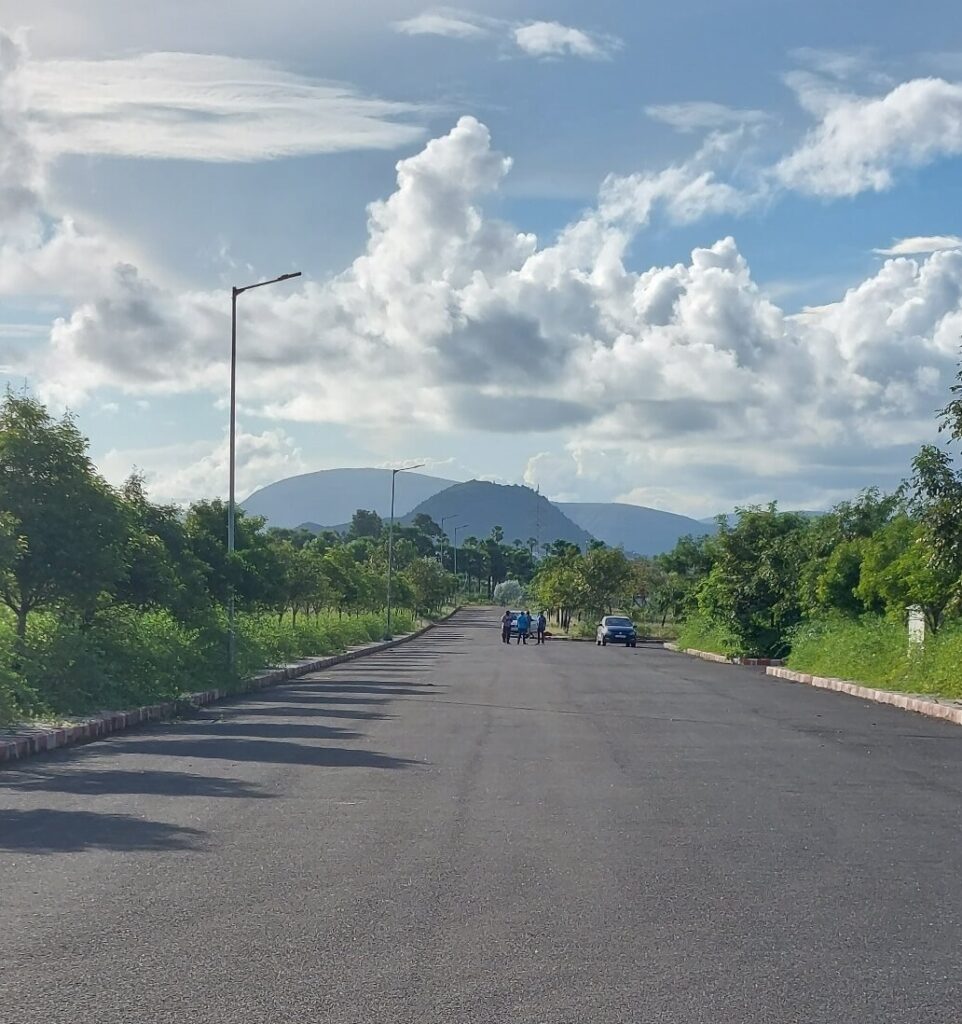
From VUDA to VMRDA
The History, Evolution and Transformation of Urban Planning in the Visakhapatnam Metropolitan Region
Introduction
If you have been searching for plots in Visakhapatnam, you’ve probably noticed that some layouts are advertised as VUDA Approved, while newer layouts are described as VMRDA Approved.
This often leads to questions such as:
- Is VUDA still functioning?
- What happened to VUDA?
- Why was VMRDA created?
- Are old VUDA approvals still valid?
- Is a VMRDA approval better than a VUDA approval?
- Should buyers avoid VUDA-approved layouts?
These are genuine concerns, especially for first-time buyers.
The good news is that understanding this transition is easier than it appears.
In this section, we’ll explore the history of urban planning in the Visakhapatnam region, why the Government of Andhra Pradesh replaced VUDA with VMRDA, and what this change means for property buyers today.
A Brief History of Urban Development in Visakhapatnam
Visakhapatnam has always been an important coastal city.
Over the years, it has grown into one of India’s key economic hubs because of its:
- Major seaport
- Steel industry
- Petroleum and refinery sector
- Naval establishments
- Educational institutions
- Healthcare facilities
- Information Technology sector
- Tourism
- Manufacturing
- Logistics
As industries expanded and employment opportunities increased, the city’s population also grew rapidly.
Housing demand increased.
New residential colonies emerged.
Commercial establishments expanded.
Nearby villages gradually transformed into urban neighbourhoods.
Managing this rapid growth required a dedicated planning authority.
The Birth of VUDA
To guide urban development in the Visakhapatnam region, the Government established the Visakhapatnam Urban Development Authority (VUDA).
For several decades, VUDA served as the principal planning authority responsible for promoting planned urban development in and around Visakhapatnam.
Many well-known residential layouts, roads, parks, and planned neighbourhoods across the region were developed during the VUDA era.
For thousands of property owners, the term “VUDA Approved Plot” became synonymous with planned development.
Even today, many older layouts continue to proudly display their original VUDA approval.
Why Was VUDA Created?
When VUDA was established, Visakhapatnam was expanding primarily around the city and its immediate surroundings.
The authority’s objectives included:
- Encouraging planned urban growth
- Preventing unplanned development
- Promoting organized residential layouts
- Reserving land for public infrastructure
- Improving road connectivity
- Planning parks and open spaces
- Supporting long-term city expansion
At that time, these responsibilities adequately served the region.
However, as Visakhapatnam continued to evolve, new challenges emerged.
How Visakhapatnam Changed Over Time
The Visakhapatnam of today is very different from the Visakhapatnam of the 1980s or 1990s.
Growth was no longer limited to the city.
Development spread towards:
- Anandapuram
- Bheemunipatnam (Bheemili)
- Madhurawada
- Atchutapuram
- Kothavalasa
- Bhogapuram
- Anakapalli
- Vizianagaram growth corridor
Industrial investments also expanded significantly.
Large infrastructure projects began reshaping the region.
Educational institutions multiplied.
IT activity increased.
Tourism strengthened.
The city gradually evolved into a much larger metropolitan region.
Planning a metropolitan region requires a broader vision than planning a single urban area.
From an Urban Authority to a Metropolitan Authority
As the region expanded beyond the original city boundaries, the Government recognized the need for a planning authority with a wider jurisdiction and a broader mandate.
Urban planning was no longer just about one city.
It needed to address:
- Regional transportation
- Metropolitan growth
- Industrial corridors
- Housing demand
- Environmental sustainability
- Economic development
- Regional infrastructure
- Future population growth
This changing reality ultimately led to the establishment of VMRDA.
Why VUDA Became VMRDA
One of the biggest misconceptions among buyers is that VUDA simply changed its name.
In reality, the transition represented a broader shift in planning philosophy.
The Government of Andhra Pradesh reconstituted the authority to reflect the needs of an expanding metropolitan region.
The emphasis moved from managing a primarily urban area to planning an interconnected metropolitan region that included multiple municipalities, towns, villages, and growth corridors.
This wider perspective allows planning decisions to consider regional infrastructure, transportation, industrial development, housing, and environmental protection together rather than in isolation.
The Official Transition
The transition from VUDA to VMRDA was carried out by the Government of Andhra Pradesh through official government orders and notifications.
VMRDA became the successor metropolitan planning authority, taking over planning responsibilities within the notified metropolitan region.
From that point onward, new layout approvals within its jurisdiction have generally been issued under the authority of VMRDA, subject to applicable planning laws and regulations.
Does This Mean VUDA No Longer Exists?
For practical purposes related to current planning approvals, VMRDA is now the relevant metropolitan planning authority.
However, buyers will continue to encounter the term VUDA because:
- Older approved layouts still carry their original VUDA approval.
- Existing documents may reference VUDA.
- Sale deeds for older properties may mention VUDA approvals.
- Many residents still use the term “VUDA plots” in everyday conversation.
This is perfectly normal.
The historical approval remains part of the property’s records.
Are VUDA Approved Layouts Still Valid?
This is one of the most frequently asked questions.
In general, a layout approved by VUDA does not become invalid merely because the authority was reconstituted as VMRDA.
If a layout received valid approval under the applicable regulations in force at that time, that historical approval remains part of the property’s planning history.
However, buyers should never assume that an old approval alone is sufficient.
Before purchasing any plot, it is advisable to verify:
- The authenticity of the approval.
- The approved layout plan.
- Survey details.
- Current land records.
- Title documents.
- Encumbrance status.
- Any subsequent changes affecting the property.
A qualified legal professional can help review these documents.
Why the Change Was Important
The creation of VMRDA reflected the reality that Visakhapatnam had become much more than a single city.
Regional planning now needed to account for:
Larger Transportation Networks
Major roads, highways, and future transport corridors increasingly connected multiple towns rather than serving only the city centre.
Industrial Expansion
Industrial clusters and manufacturing zones expanded into surrounding districts, requiring coordinated planning.
Residential Growth
Thousands of families began purchasing plots outside the traditional city limits.
Planned residential development became increasingly important.
Infrastructure Integration
Water supply, drainage, electricity, public transport, and community facilities needed regional coordination rather than isolated planning.
Environmental Protection
Metropolitan planning also supports the protection of environmentally sensitive areas while accommodating future growth.
Timeline of the Transition
| Year / Period | Development |
|---|---|
| Earlier decades | VUDA functions as the Urban Development Authority for Visakhapatnam. |
| Rapid regional growth | Urban expansion extends beyond the original city limits. |
| Government planning reforms | Need identified for a metropolitan-level planning authority. |
| Government notification | VMRDA established as the successor metropolitan planning authority. |
| Present | VMRDA oversees metropolitan planning and layout approvals within its notified jurisdiction. |
What Changed for Property Buyers?
From a buyer’s perspective, the most noticeable change is that:
Older layouts may have:
VUDA Approval
while newer layouts generally carry:
VMRDA Approval
The underlying objective remains similar:
Promoting planned development.
What evolved was the scale and scope of planning.
What Did Not Change?
Even though the authority changed, several fundamental principles remain important:
- Buyers should verify approvals.
- Buyers should review legal documents.
- Buyers should inspect the property.
- Buyers should conduct independent legal due diligence.
- Buyers should avoid relying solely on advertisements.
These good practices apply regardless of whether a layout was approved during the VUDA era or under VMRDA.
Common Questions Buyers Ask
“Should I buy only VMRDA-approved plots?”
The more important question is whether the layout has a valid planning approval applicable to its time and jurisdiction, along with satisfactory legal due diligence. Older VUDA-approved layouts can also be legitimate, provided all necessary verifications are completed.
“Are VUDA approvals cancelled?”
No. The transition to VMRDA did not automatically cancel previously granted approvals. Historical approvals remain part of the property’s planning records, subject to the terms under which they were granted.
“Is VMRDA stricter than VUDA?”
Planning regulations and development requirements have evolved over time, but it is not accurate to make a blanket statement that one authority is simply “stricter” than the other. Each authority operated under the legal and planning framework applicable during its period.
“Can I still register a VUDA-approved plot?”
Property registration depends on the applicable legal requirements, title, and documentation, not merely on whether the approval was issued under VUDA or VMRDA. Buyers should verify all legal aspects before proceeding.
Why This History Matters
Understanding the transition from VUDA to VMRDA helps buyers interpret older property documents with confidence.
Instead of being concerned when they see “VUDA Approved” on an older layout, buyers can recognize that it reflects the planning authority that existed when the approval was granted.
Likewise, newer layouts bearing VMRDA approval represent the current metropolitan planning framework.
Knowing this distinction helps prevent confusion and supports more informed property decisions.
Key Takeaways
- VUDA was the former urban development authority for the Visakhapatnam region.
- As the region expanded, the Government of Andhra Pradesh established VMRDA to oversee planning at the metropolitan scale.
- Older layouts may legitimately carry VUDA approvals, while newer layouts generally carry VMRDA approvals.
- The transition reflected an expansion in planning scope rather than a cancellation of earlier valid approvals.
- Buyers should verify planning approvals, title, and legal documentation regardless of when a layout was approved.
Fact Verification Notes
The transition from Visakhapatnam Urban Development Authority (VUDA) to the Visakhapatnam Metropolitan Region Development Authority (VMRDA) was carried out through Government of Andhra Pradesh notifications as part of metropolitan planning reforms. This section intentionally avoids assigning specific dates or government order numbers where precision is important; those will be referenced in later sections after citing the relevant official notifications. Historical VUDA approvals remain part of the planning record for layouts approved during that period, while current planning responsibilities rest with VMRDA within its notified jurisdiction.
VUDA vs VMRDA and Understanding the Different Government Authorities
A Complete Comparison for Plot Buyers in Visakhapatnam
Introduction
By now, you understand:
- What VMRDA is
- Why it was established
- How it replaced VUDA as the metropolitan planning authority
However, many buyers still have one important question:
“Who actually approves, registers, taxes and manages my plot?”
Many people assume VMRDA handles everything related to land.
In reality, multiple government departments are involved, each with a different responsibility.
Understanding these differences will help you avoid confusion during the buying process.
VUDA vs VMRDA – What's the Difference?
One of the most common misconceptions is that VUDA and VMRDA are completely different organizations performing different functions.
The truth is a little different.
VMRDA is the successor metropolitan planning authority that replaced VUDA as part of the Government of Andhra Pradesh’s metropolitan planning reforms.
The core purpose remains the same:
To promote planned urban development
What changed was the scale.
Instead of focusing primarily on an urban area, planning expanded to cover an entire metropolitan region.
Quick Comparison Table
| Feature | VUDA | VMRDA |
|---|---|---|
| Full Name | Visakhapatnam Urban Development Authority | Visakhapatnam Metropolitan Region Development Authority |
| Planning Scope | Urban Development | Metropolitan Regional Development |
| Current Status | Former Planning Authority | Current Planning Authority |
| Coverage | Primarily Urban Areas | Metropolitan Region |
| Layout Approvals | Historical Layouts | Current Layouts |
| Master Planning | Yes | Yes |
| Long-Term Regional Planning | Limited | Expanded |
| Growth Corridor Planning | Limited | Extensive |
| Future Infrastructure Planning | Urban Focus | Regional Focus |
Are you looking for information about VUDA Approved plots? Since VUDA is now VMRDA, we’ve created a dedicated VUDA Approved Plots in Vizag page that explains the transition from VUDA to VMRDA, layout approvals, and everything buyers need to know.
Why Was the Name Changed?
Many people think the Government simply renamed VUDA.
That isn’t the complete picture.
The change reflected the reality that Visakhapatnam had grown beyond city boundaries.
Planning now needed to include:
- Multiple municipalities
- Surrounding villages
- Industrial corridors
- Airport region
- Highway corridors
- Future satellite towns
- Logistics hubs
- Tourism regions
A metropolitan authority is better suited to coordinate development across such a large region.
Does VUDA Approval Become Invalid?
No.
This is probably the biggest misconception among property buyers.
If a layout received valid approval from VUDA under the regulations applicable at that time, the approval does not automatically become invalid because VMRDA replaced VUDA.
Think of it like this:
A driving licence issued years ago remains valid until its expiry simply because the transport department updates its systems.
Similarly, historical VUDA approvals remain part of the property’s planning history.
Which Approval Should New Buyers Look For?
That depends on when the layout was approved.
Older layouts may carry:
VUDA Approval
Newer layouts within VMRDA jurisdiction generally carry:
VMRDA Approval
The important question isn’t:
“Is it VUDA or VMRDA?”
Instead ask:
- Is the approval genuine?
- Can the LP Number be verified?
- Are all documents available?
- Is the title clear?
- Does the layout match the approved plan?
These questions matter far more than the authority’s name alone.
VMRDA vs Registration Department
Another common misunderstanding is that VMRDA registers property.
It does not.
Let’s understand the difference.
| VMRDA | Registration Department |
|---|---|
| Planning Authority | Property Registration Authority |
| Approves Layouts | Registers Sale Deeds |
| Reviews Planning Compliance | Records Property Transactions |
| Issues Layout Permission | Maintains Registration Records |
| Focuses on Urban Planning | Focuses on Legal Registration |
Simple Example
Imagine building a new house.
The municipal authority may approve the building plan.
Later, the Registration Department records the sale deed when the property is sold.
These are separate functions.
Likewise, layout approval and property registration are different legal processes.
VMRDA vs Revenue Department
The Revenue Department has a different role.
It deals with land administration and revenue records rather than metropolitan planning.
Typical responsibilities include matters related to:
- Land records
- Survey records
- Mutation
- Pattadar records (where applicable)
- Revenue administration
- Certain land classifications
VMRDA does not maintain all revenue records.
Comparison Table
| VMRDA | Revenue Department |
|---|---|
| Urban Planning | Land Administration |
| Layout Approval | Revenue Records |
| Master Plans | Survey Records |
| Regional Development | Mutation Processes |
| Planning Regulations | Land Revenue Administration |
VMRDA vs Municipal Corporation
Many buyers also confuse VMRDA with the Greater Visakhapatnam Municipal Corporation (GVMC) or other urban local bodies.
Although both contribute to urban development, their responsibilities differ.
VMRDA
Focuses primarily on:
- Metropolitan planning
- Regional development
- Layout approvals
- Master plans
- Long-term infrastructure planning
Typically responsible for:
- Property tax
- Local roads
- Street lighting
- Solid waste management
- Local sanitation
- Birth and death registration
- Civic services
VMRDA vs Municipality
Municipalities govern towns outside major municipal corporations.
Their responsibilities usually include:
- Local administration
- Local roads
- Water supply
- Street lighting
- Property tax
- Civic amenities
VMRDA plans the broader metropolitan region.
Municipalities manage local civic administration.
VMRDA vs Gram Panchayat
Many plots are located in villages undergoing urbanization.
Buyers often believe Panchayat approval is equivalent to VMRDA approval.
This is not necessarily true.
Gram Panchayats primarily deal with village-level administration and civic functions.
Planning approvals and layout approvals may involve different legal requirements depending on the applicable laws and jurisdiction.
Always verify which authority is responsible for planning approval in the specific area where the property is located.
Who Does What?
| Activity | Responsible Authority |
|---|---|
| Regional Planning | VMRDA |
| Master Plan | VMRDA |
| Layout Approval | VMRDA (within its jurisdiction) |
| Sale Deed Registration | Registration Department |
| Land Records | Revenue Department |
| Property Tax | Local Urban Local Body / Panchayat (as applicable) |
| Local Civic Services | Municipal Corporation / Municipality / Panchayat |
| Building Permissions | Competent Local Authority, subject to applicable regulations |
Understanding the Complete Property Journey
Buying a plot involves several government departments.
Think of it as a team effort.
Stage 1
Planning
↓
VMRDA
Stage 2
Land Records
↓
Revenue Department
Stage 3
Legal Verification
↓
Advocate / Legal Professional
Stage 4
Registration
↓
Registration Department
Stage 5
Construction Permissions (where applicable)
↓
Competent Local Authority
Stage 6
Property Tax and Civic Services
↓
Municipality / Municipal Corporation / Panchayat
Common Misconceptions
“Registration Means Approval”
False.
Registration records the transaction.
Planning approval is a separate matter.
“VMRDA Checks Property Title.”
Buyers should independently verify title through appropriate legal due diligence.
“Every Plot Around Vizag is VMRDA Approved.”
Incorrect.
Each layout should be verified individually.
“Panchayat Approval Means VMRDA Approval.”
Not necessarily.
These are different authorities with different responsibilities.
“Only VMRDA Approval is Enough”
No.
A prudent buyer should also verify:
- Ownership
- Title
- Encumbrances
- Survey details
- Access
- Applicable permissions
- Registration documents
Frequently Asked Questions
Is VUDA still issuing approvals?
Current metropolitan planning responsibilities rest with VMRDA within its notified jurisdiction.
Can I buy a VUDA-approved plot?
Yes, provided the layout has a valid historical approval and you complete proper legal and document verification.
Does VMRDA register property?
No.
Property registration is handled by the Registration Department.
Does VMRDA issue sale deeds?
No.
Sale deeds are executed by the parties and registered through the Registration Department.
Who issues LP Numbers?
Layout Permission (LP) Numbers are issued as part of the layout approval process by the competent planning authority.
Can banks finance VMRDA-approved plots?
Many financial institutions consider approved layouts when evaluating loan applications, but loan approval depends on the bank’s policies, the property, and the applicant’s eligibility.
Can I build immediately after buying a plot?
Construction is generally subject to applicable building permission requirements and local regulations. Buying a plot does not automatically authorize construction.
Does VMRDA guarantee future appreciation?
No.
No authority can guarantee future property values. Market performance depends on numerous factors.
Is VMRDA approval enough for a safe purchase?
VMRDA approval is an important planning consideration, but buyers should also complete legal due diligence before purchasing.
Can I verify a layout myself?
Yes.
We’ll explain the verification process in detail later in this guide.
Key Takeaways
- VMRDA is the current metropolitan planning authority for the notified Visakhapatnam Metropolitan Region.
- VUDA was the earlier planning authority, and its valid historical approvals remain part of the planning record.
- Planning approval, property registration, land records, and civic administration are handled by different authorities.
- Buyers should understand the role of each department before purchasing land.
- Safe property buying involves planning verification, legal verification, document review, and proper registration.
Fact Verification Notes
This section distinguishes the roles of VMRDA, the Registration Department, the Revenue Department, and local bodies at a general level. Specific responsibilities—particularly for building permissions, taxation, and local administration—can vary depending on the property’s location and applicable laws. Buyers should verify current requirements with the relevant authorities and consult a qualified legal professional where necessary.
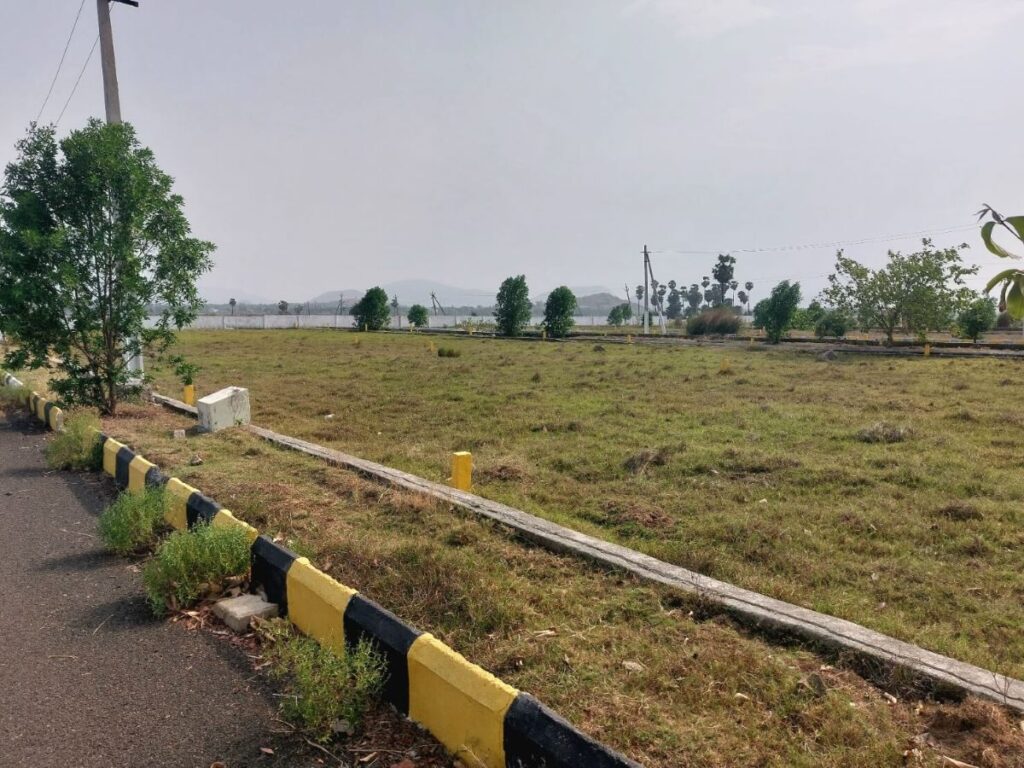
What is a VMRDA Approved Plot?
Understanding Layout Approval, Why It Matters, and the Benefits of Buying a VMRDA Approved Plot
Introduction
Imagine spending your life’s savings on a plot, only to discover later that the layout was never properly approved, the roads shown in the brochure don’t exist, or basic infrastructure like drainage and electricity may not be developed as expected.
Unfortunately, situations like these have occurred in different parts of India, which is why understanding layout approval is one of the most important steps before purchasing any plot.
Many buyers assume that if a plot is available for sale, it must automatically be legal and approved. However, property transactions involve several different aspects, including planning approvals, ownership, title verification, and registration. Understanding these distinctions can help you make more informed decisions.
In this chapter, we’ll explain what a VMRDA Approved Plot is, why approval matters, and why many buyers prefer approved layouts when looking for residential or investment plots in and around Visakhapatnam.
What is a VMRDA Approved Plot?
A VMRDA Approved Plot is a plot located within a layout that has received planning approval from the Visakhapatnam Metropolitan Region Development Authority (VMRDA), subject to the applicable planning laws, regulations, and development standards.
Before granting approval, VMRDA reviews the proposed layout to ensure it complies with the planning requirements applicable to that location and project.
These requirements may include aspects such as:
- Internal road network
- Road widths
- Plot dimensions
- Open spaces
- Park reservations
- Drainage planning
- Utility corridors
- Land-use conformity
- Public amenities
- Other applicable planning standards
Once approved, the layout is generally assigned a Layout Permission (LP) Number, which serves as the official reference for the planning approval.
It is important to remember that layout approval is different from ownership verification. Buyers should also verify title, encumbrances, survey details, and other legal documents before purchasing any property.
Understanding Layout Approval in Simple Terms
Let’s understand this with a simple example.
Imagine a developer owns 20 acres of land and wants to convert it into a residential community.
Without planning approval, the developer could theoretically divide the land into hundreds of small plots without considering:
- Road connectivity
- Drainage
- Parks
- Water supply
- Electricity
- Public spaces
- Future road widening
The result could be an unplanned neighbourhood that faces traffic congestion, flooding, or inadequate infrastructure.
Instead, the developer submits a layout proposal to the planning authority.
The authority reviews the proposal and, if it satisfies the applicable planning requirements, grants layout approval.
Only then does the development become an approved layout from a planning perspective.
This process helps promote organized urban growth and more livable communities.
What Does "Approved Layout" Mean?
An approved layout means that the overall development plan has been examined from an urban planning perspective.
It indicates that the proposed layout has been reviewed for compliance with applicable planning norms.
Depending on the regulations and location, this review may cover:
- Road planning
- Plot arrangement
- Public open spaces
- Utility planning
- Circulation
- Development standards
This approval relates to the layout as a whole, not just an individual plot.
What Does VMRDA Check Before Granting Layout Approval?
The exact requirements vary depending on the applicable regulations, but the review process generally considers planning aspects such as:
Road Network
The authority evaluates whether the proposed roads provide appropriate access and circulation within the layout.
Open Spaces
Planning standards generally require reservation of land for parks or open spaces in accordance with applicable regulations
Drainage Planning
Proper drainage planning helps reduce waterlogging and supports sustainable development
Utility Corridors
Space may be planned for essential public utilities.
Land Use
The proposed layout should generally conform to the applicable land-use designation under the relevant planning framework.
Plot Arrangement
The layout is reviewed to ensure plots, roads, and public spaces are organized in accordance with applicable planning norms.
Future Development
Planning also considers how the layout integrates with surrounding development and future infrastructure.
Why Does Layout Approval Matter?
Imagine two residential layouts.
Layout A
- Planned roads
- Organized drainage
- Reserved parks
- Public open spaces
- Proper internal road network
- Planned infrastructure
- Random plot divisions
- Narrow roads
- No drainage planning
- No parks
- Limited public space
- Uncertain infrastructure planning
Which layout would you feel more comfortable purchasing?
Most buyers naturally prefer organized, planned developments.
That is one of the reasons why layout approval is an important consideration.
Why Buyers Prefer VMRDA Approved Plots
Every buyer has different priorities.
Some are purchasing land to build a home.
Others are investing for the long term.
Some are buying for retirement.
Others are planning for the next generation.
Regardless of the purpose, many buyers appreciate the confidence that comes from investing in a layout that has gone through the planning approval process.
Major Benefits of Buying a VMRDA Approved Plot
1. Planned Development
Approved layouts are designed according to applicable planning standards rather than through random subdivision.
This generally creates better neighbourhood planning.
2. Better Road Planning
Roads play an important role in accessibility.
Well-planned layouts typically provide organized internal road networks that improve convenience for residents and visitors.
3. Provision for Public Spaces
Planning regulations often require reservation of land for parks or open spaces.
These areas contribute to the quality of life within a residential community.
4. Organized Infrastructure Planning
Approved layouts generally incorporate planning for:
- Roads
- Drainage
- Utility corridors
- Public amenities
Actual implementation may depend on the developer and applicable approvals.
5. Greater Buyer Confidence
Many buyers feel more comfortable purchasing in a layout that has undergone formal planning scrutiny.
This confidence can make approved layouts more attractive in the market.
6. Easier Due Diligence
Approved layouts often provide buyers with documented planning approvals that can be reviewed alongside other legal documents during due diligence.
7. Better Long-Term Community Planning
Thoughtful urban planning contributes to more organized neighbourhoods that can better accommodate future growth.
Important Clarification
Buying a VMRDA Approved Plot does not automatically guarantee:
- Perfect title
- Absence of legal disputes
- Immediate bank loan approval
- Automatic building permission
- Future appreciation
- Immediate infrastructure completion
These depend on several additional factors.
That is why buyers should conduct independent legal verification and review all relevant documents before purchasing.
Planning Approval vs Legal Ownership
This is one of the most misunderstood topics in real estate.
Let’s compare them.
| Planning Approval | Legal Ownership |
|---|---|
| Concerned with layout planning | Concerned with ownership rights |
| Issued by planning authority | Established through legal documents |
| Reviews planning compliance | Reviews title and ownership |
| Related to layout design | Related to property rights |
| One part of due diligence | Another essential part of due diligence |
Both are important.
One does not replace the other.
What Should Buyers Verify Besides Layout Approval?
Even if a layout is approved, buyers should also verify:
- Title documents
- Mother deed
- Encumbrance Certificate (EC)
- Survey details
- Plot dimensions
- Access road
- Registration documents
- Applicable taxes and dues
- Identity of the seller
- Any legal restrictions affecting the property
Later chapters of this guide will explain each document in detail.
Looking for VMRDA-approved plots in and around Visakhapatnam?
At VizagPropertys, we help buyers explore approved layouts, understand planning approvals, and make informed decisions based on transparency—not pressure. Contact us to discuss your requirements or schedule a site visit.
Buyer A
Sees an attractive advertisement.
Visits the site.
Pays an advance.
Does not verify any documents.
Relies only on verbal assurances.
Buyer B
Visits the site.
Reviews the approved layout.
Checks the LP Number.
Verifies legal documents.
Consults a legal professional.
Confirms survey details.
Understands the surrounding development.
Then proceeds with the purchase.
Which buyer is likely to make a more informed decision?
Most people would choose the second approach.
Knowledge reduces uncertainty.
Common Myths About VMRDA Approved Plots
Myth 1
“Every approved plot is automatically a perfect investment.”
Reality:
Investment outcomes depend on many factors including location, market demand, infrastructure, legal status, and broader economic conditions.
Myth 2
“Approval means no legal verification is required.”
Reality:
Legal due diligence remains essential.
Myth 3
“All plots near Visakhapatnam are VMRDA approved.”
Reality:
Every layout should be verified individually.
Myth 4
“LP Number alone is enough.”
Reality:
The LP Number is an important planning reference, but buyers should also verify all supporting documents.
Why Experienced Investors Still Verify Everything
Professional investors rarely rely on a single document.
Instead, they review:
- Planning approval
- Ownership
- Survey records
- Market location
- Infrastructure
- Access
- Future development
- Legal opinion
This comprehensive approach helps them make better-informed investment decisions.
Key Takeaways
- A VMRDA Approved Plot is located within a layout that has received planning approval from VMRDA under applicable regulations.
- Layout approval promotes organized development with consideration for roads, open spaces, drainage, and other planning standards.
- Planning approval is different from legal ownership and title verification.
- Buyers should review both planning documents and legal documents before purchasing.
- Understanding the approval process helps buyers ask better questions and make more confident decisions.
Risks of Buying Unapproved Layouts
Approved vs Unapproved Layouts | Common Mistakes | Investment Risks | Practical Buyer Guidance
Introduction
Buying a plot is often an emotional decision.
You imagine building your dream home, securing your children’s future, or making a long-term investment.
Unfortunately, this excitement can sometimes lead buyers to overlook one of the most important questions
“Is this layout properly approved?”
A lower price, attractive brochure, or verbal assurances may seem convincing, but purchasing land without understanding its planning status can expose buyers to unnecessary risks.
This section is not intended to create fear or suggest that every unapproved layout has problems. Instead, its purpose is to help buyers understand why verification matters and how an informed approach can reduce uncertainty.
What is an Unapproved Layout?
An unapproved layout generally refers to a subdivision of land that has not received the required planning approval from the competent planning authority applicable to that area.
In simple terms:
A landowner or developer divides a larger parcel of land into individual plots and offers them for sale without obtaining the necessary layout approval, or without completing the required planning process.
The exact legal implications depend on the property’s location, applicable laws, and any later regularization schemes. Therefore, buyers should always verify the approval status with the competent authority before purchasing.
Why Does This Matter?
Imagine two identical plots located next to each other.
Both have:
- Similar size
- Similar location
- Similar price
The difference is that one lies within a properly approved layout, while the other does not.
To a casual observer, they may look exactly the same.
However, from a planning perspective, they can be very different.
The difference isn’t what you see today.
The difference is often what has been planned for tomorrow.
A Simple Real-Life Analogy
Imagine buying an apartment.
Would you prefer:
Apartment A
- Approved building plans
- Proper access roads
- Parking
- Fire safety planning
- Utility planning
or
Apartment B
- No approved plans
- No documented planning
- Uncertain compliance
Most buyers naturally prefer the first option because it provides greater clarity regarding the development.
The same principle applies when purchasing plots.
Understanding the Difference
Planning approval is not just about paperwork.
It is about ensuring that the overall development has been designed with future residents in mind.
This may include considerations such as:
- Road access
- Open spaces
- Infrastructure planning
- Public amenities
- Utility corridors
- Orderly development
Approved vs Unapproved Layouts
| Feature | Approved Layout | Unapproved Layout |
|---|---|---|
| Layout Approval | Granted by the competent planning authority | Approval may be absent or incomplete |
| Planning Review | Yes | May not have undergone planning scrutiny |
| LP Number | Generally available | Usually unavailable |
| Road Planning | Planned | May vary |
| Open Spaces | Planned as per applicable regulations | May not be formally reserved |
| Drainage Planning | Considered during layout planning | May be uncertain |
| Public Amenities | Planning provisions may exist | May be limited or absent |
| Documentation | Typically includes planning approval documents | Documentation may be incomplete |
| Buyer Verification | Easier with available records | Requires extra caution |
Important: This table provides a general comparison. Individual properties should always be verified independently.
Risks Buyers Should Consider
Every property purchase is unique.
However, buyers should carefully evaluate the following aspects before purchasing any plot.
1. Uncertainty About Planning Status
Without confirmed layout approval, buyers may find it more difficult to determine whether the development complies with applicable planning requirements.
2. Infrastructure May Differ from Marketing Material
Advertisements often show:
- Wide roads
- Parks
- Street lights
- Landscaped entrances
- Community facilities
Buyers should verify whether these are:
- Existing
- Under development
- Planned
- Or simply conceptual illustrations
Never rely solely on promotional brochures.
3. Future Development Questions
When purchasing any plot, ask:
- Are roads officially planned?
- Is drainage planned?
- Are open spaces reserved?
- Is the internal road network documented?
Understanding these details helps buyers make more informed decisions.
4. Documentation May Require Additional Review
Buyers should carefully examine:
- Layout approval
- Survey records
- Ownership
- Title documents
- Encumbrance Certificate
- Access rights
A qualified legal professional can assist with this review.
5. Financing Considerations
Different financial institutions have different lending policies.
Some banks may request planning approvals and additional documentation before considering a loan application.
Loan approval always depends on the lender’s internal policies and the applicant’s eligibility.
6. Resale Considerations
Future buyers may also ask for:
- Layout approval
- Legal documents
- Survey details
- Infrastructure information
Having complete documentation can make future transactions smoother.
The Hidden Cost of Buying Only on Price
One of the biggest mistakes buyers make is focusing only on the price per square yard.
Imagine this scenario.
Buyer A
Chooses the cheapest available plot.
Doesn’t verify documents.
Doesn’t understand the planning status.
Makes the purchase immediately.
Buyer B
Spends additional time:
- Comparing layouts
- Reviewing approvals
- Visiting the site
- Consulting a legal expert
- Understanding surrounding development
Then purchases a plot after completing due diligence.
Although Buyer B may spend more time before purchasing, this process can provide greater confidence in the decision.
Common Warning Signs
Every situation is different, but buyers should proceed carefully if they notice:
- Reluctance to share documents
- Verbal promises without written records
- Difficulty explaining layout approval
- Conflicting information about approvals
- Marketing that avoids discussing documentation
- Unclear plot boundaries
- Inconsistent survey information
A single warning sign does not automatically mean something is wrong.
However, multiple warning signs deserve careful investigation.
Questions Every Buyer Should Ask
Before paying even a booking amount, consider asking:
- Is the layout approved?
- Which authority approved it?
- Can I see the approval documents?
- What is the LP Number?
- Can I compare the approved layout with the site?
- Is the road shown in the layout physically available?
- Are parks identified?
- Are open spaces clearly marked?
- Has legal verification been completed?
- Can I obtain copies of important documents?
A genuine developer or seller should be prepared to answer these questions.
A Smarter Way to Evaluate a Plot
Instead of asking only:
“How much does it cost?
Also ask:
- Why is it priced this way?
- What approvals are available?
- What infrastructure exists today?
- What infrastructure is planned?
- How accessible is the location?
- What are the long-term development plans?
- Are all relevant documents available?
These questions often provide better insight than price alone.
The Importance of Independent Verification
Whether you purchase from:
- A developer
- An individual owner
- A broker
- A marketing company
always verify information independently.
Good practices include:
- Reviewing original documents
- Comparing layout plans
- Visiting the site
- Consulting a legal professional
- Confirming important details through official records where applicable
Independent verification helps buyers make informed decisions.
Real-Life Buyer Scenarios
Scenario 1 – The Emotional Buyer
Ravi sees an attractive online advertisement.
The sales team explains that prices will increase tomorrow.
Without verifying documents, he pays a booking amount.
Later, he discovers that several important questions still need clarification.
Scenario 2 – The Informed Buyer
Lakshmi spends two weekends researching.
She compares multiple layouts.
She requests copies of the planning approval.
She consults a legal professional.
She visits the property twice.
Only after understanding the documentation does she proceed with the purchase.
Which approach is more likely to reduce uncertainty?
Most experienced investors follow Lakshmi’s approach.
Does an Approved Layout Guarantee a Good Investment?
No.
This is equally important to understand.
An approved layout is one important factor among many.
Other considerations include:
- Location
- Connectivity
- Infrastructure
- Market demand
- Legal status
- Budget
- Intended use
- Long-term development
- Personal financial goals
Approval alone should not be the only deciding factor.
Balanced Advice for Buyers
Instead of asking:
“Should I buy only approved layouts?
Ask:
“Have I completed proper due diligence?
A well-informed buyer typically considers:
- Planning approval
- Legal verification
- Market conditions
- Infrastructure
- Documentation
- Financial planning
before making a purchase.
Not sure how to verify a layout?
The VizagPropertys team can help you understand planning approvals, explain available documentation, and guide you through the buying process with clarity and transparency.
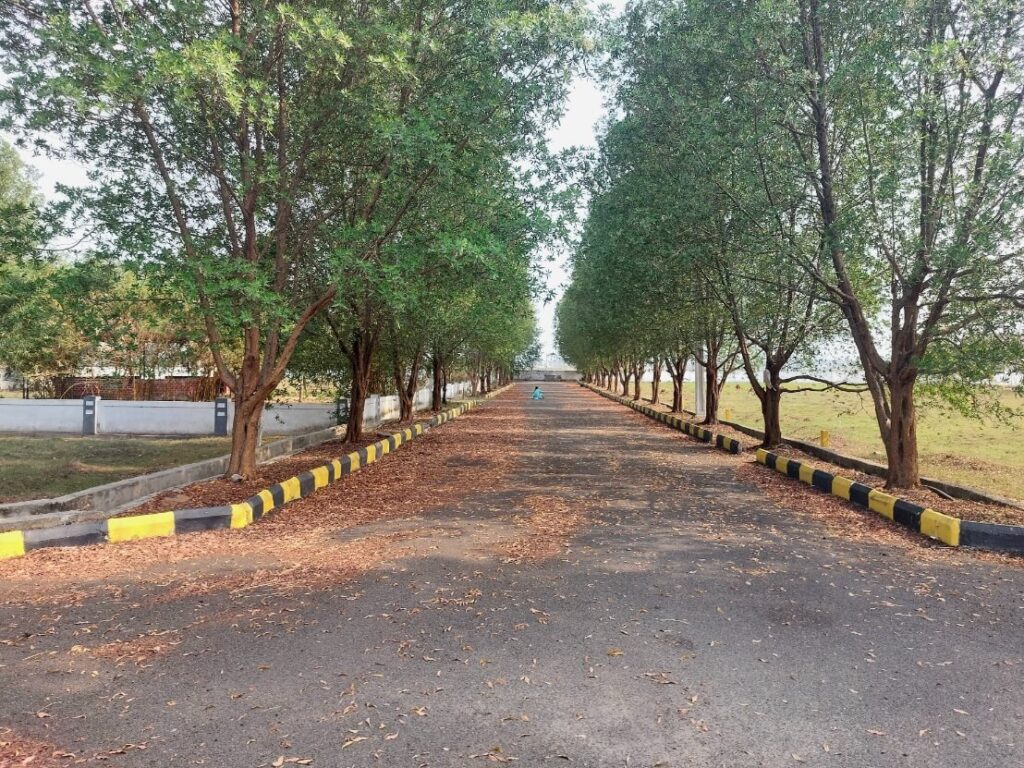
Planning Standards in VMRDA Approved Layouts
Roads, Parks, Open Spaces, Infrastructure, Utilities and What Every Buyer Should Know
Introduction
By now, you understand:
- What VMRDA is
- Why layout approval matters
- The advantages of approved layouts
- The risks associated with purchasing land without understanding its planning status
The next question naturally becomes:
“What exactly does VMRDA look for before approving a layout?
Many buyers believe layout approval is simply a stamp on paper.
In reality, it involves urban planning principles designed to create well-organized communities that can support people not just today, but for decades to come.
This chapter explains the planning concepts behind VMRDA-approved layouts in simple, non-technical language.
Important Note: Planning requirements can vary depending on the applicable regulations, project type, location, and government policies. The information below explains the general planning principles rather than fixed numerical standards.
Why Planning Standards Matter
Imagine visiting two residential layouts.
Layout A
- Wide internal roads
- Proper entrance
- Clearly marked plots
- Parks
- Underground drainage planning
- Street lighting
- Utility corridors
- Green spaces
Everything feels organized.
Layout B
- Narrow access roads
- Irregular plot divisions
- No designated parks
- No drainage planning
- No organized infrastructure
Although both layouts may contain plots, the overall living experience could be very different.
This is why planning standards are important.
What Does VMRDA Evaluate?
When reviewing a layout proposal, VMRDA generally evaluates whether the proposed development complies with applicable planning regulations.
The review may include:
- Road planning
- Plot arrangement
- Open spaces
- Parks
- Drainage
- Utility planning
- Land use
- Public amenities
- Environmental considerations
- Access and circulation
Each of these contributes to creating a better-planned neighbourhood.
1. Road Network Planning
Roads are much more than a way to reach your plot.
They influence:
- Traffic movement
- Emergency vehicle access
- Future development
- Property accessibility
- Convenience for residents
A thoughtfully designed road network allows vehicles, pedestrians, service providers, and emergency responders to move efficiently throughout the layout.
Why Wide Roads Matter
Well-planned roads can offer several long-term advantages:
- Easier movement of vehicles
- Better parking opportunities
- Improved access for fire and ambulance services
- Better traffic flow
- More comfortable neighbourhood planning
- Easier future maintenance
Road planning is therefore one of the key elements considered during layout approval.
Internal Road Hierarchy
Large layouts often include different categories of roads, such as:
- Main entrance roads
- Internal collector roads
- Residential streets
- Corner access roads
Each serves a different purpose within the overall layout.
2. Plot Planning
Planning is not only about roads.
The arrangement of plots also matters.
A properly planned layout generally aims to provide:
- Logical plot divisions
- Convenient access
- Efficient use of land
- Clear plot boundaries
- Integration with the road network
This contributes to a more organized community.
3. Parks and Open Spaces
One of the most visible features of many approved layouts is the presence of parks and open spaces.
These areas are more than decorative additions.
They contribute to:
- Recreation
- Community interaction
- Children’s play areas
- Environmental quality
- Better neighbourhood aesthetics
For families, nearby parks can become an important part of everyday life.
Why Open Spaces Are Important
Open spaces help create healthier neighbourhoods.
They may provide:
- Walking areas
- Fresh air
- Green surroundings
- Recreational opportunities
- Improved visual appeal
Over time, well-maintained green spaces often become valuable community assets.
4. Drainage Planning
Drainage is one of the least visible but most important aspects of urban planning.
Without proper drainage:
- Rainwater may accumulate
- Roads may deteriorate
- Accessibility may be affected
- Waterlogging can occur during heavy rainfall
Planning for stormwater drainage helps improve long-term sustainability.
5. Water Supply Planning
Residential communities require access to water.
Planning typically considers how water infrastructure can be accommodated within the layout.
The actual provision of water services may involve multiple agencies depending on the location and applicable regulations.
6. Electricity Planning
Modern residential layouts require electricity infrastructure.
Planning generally includes consideration of utility corridors and electrical infrastructure requirements.
Actual electricity connections are typically provided by the relevant electricity distribution authority in accordance with applicable procedures.
7. Street Lighting
Street lighting contributes to:
- Safety
- Convenience
- Night-time visibility
- Community security
Well-lit roads improve the overall usability of residential layouts after sunset.
8. Utility Corridors
Modern layouts require space for utilities.
These may include:
- Water pipelines
- Electrical lines
- Communication infrastructure
- Underground utilities (where applicable)
Planning utility corridors in advance helps reduce future disruptions.
9. Public Amenities
Depending on the size and nature of the development, layouts may include areas planned for community facilities.
These can contribute to creating a more complete residential environment.
10. Environmental Considerations
Urban planning today extends beyond buildings and roads.
It also considers environmental sustainability.
Examples include:
- Green spaces
- Natural drainage patterns
- Tree plantations
- Environmental buffers (where applicable)
Thoughtful planning helps balance development with environmental considerations.
The Importance of Accessibility
A good layout is not just about the plot you purchase.
It is also about how easily people can:
- Reach the layout
- Move within it
- Access public amenities
- Connect with surrounding infrastructure
Accessibility influences both convenience and long-term livability.
Planning for Future Growth
One of the strengths of metropolitan planning is that it looks beyond current needs.
A layout should not only serve today’s residents but also accommodate future growth.
This includes considering:
- Population increase
- Traffic demand
- Utility expansion
- Public services
- Regional connectivity
Planning ahead helps create more resilient communities.
Planning Standards at a Glance
| Planning Element | Why It Matters |
|---|---|
| Roads | Accessibility and traffic movement |
| Plot Arrangement | Organized land development |
| Parks | Recreation and quality of life |
| Open Spaces | Community well-being |
| Drainage | Water management |
| Water Infrastructure | Basic utility planning |
| Electricity | Essential services |
| Street Lighting | Safety and convenience |
| Utility Corridors | Infrastructure planning |
| Public Amenities | Community facilities |
| Environmental Planning | Sustainable development |
Buyer Checklist – What to Look for During a Site Visit
When visiting a layout, consider checking:
Planning
☐ Is the layout clearly demarcated?
☐ Are roads properly formed?
☐ Is the entrance well planned?
☐ Are plot numbers visible?
Infrastructure
☐ Are roads accessible?
☐ Is drainage visible where applicable?
☐ Are utility provisions evident?
☐ Is street lighting installed or planned?
Open Spaces
☐ Is there a designated park?
☐ Are open spaces marked?
☐ Are common areas identifiable?
Documentation
☐ Can the developer provide the approved layout plan?
☐ Is the LP Number available?
☐ Are plot dimensions consistent with the layout?
Location
☐ Is the approach road convenient?
☐ What nearby infrastructure exists?
☐ Are schools, hospitals, or commercial areas accessible?
Verification
☐ Have you reviewed the title documents?
☐ Have you consulted a legal professional?
☐ Have you compared the site with the approved layout?
Questions to Ask Before Booking a Plot
Before paying any advance, ask:
- Is this layout VMRDA approved?
- Can I see the approved layout plan?
- What is the LP Number?
- Where are the parks located?
- What infrastructure has already been completed?
- Which works are still under development?
- What documents will I receive?
- Can I inspect the original approval documents?
Want a second opinion before you buy?
Choosing the right plot involves more than comparing prices. At VizagPropertys, we can help you understand approved layouts, explain planning documents, and guide you through the evaluation process so you can make an informed decision.
Understanding LP Numbers
What is an LP Number? Why It Matters and How Every Plot Buyer Should Understand It
Introduction
If you’ve visited a real estate project in or around Visakhapatnam, you’ve probably noticed advertisements displaying something like:
“VMRDA Approved Layout – LP No.45/2025/VMRDA
or
“LP No. Available”
For many buyers, this creates more questions than answers.
- What is an LP Number?
- Who issues it?
- Why is it important?
- Can every layout get an LP Number?
- Does having an LP Number mean the plot is completely safe to buy?
- Can I verify it myself?
These are excellent questions, and understanding LP Numbers is one of the most important steps in making an informed property purchase.
In this chapter, we’ll explain LP Numbers in simple language, what they represent, how they are used, and why they are an important part of the property verification process.
What is an LP Number?
LP stands for Layout Permission.
An LP Number is the official reference number assigned to a layout after it receives planning approval from the competent planning authority, such as VMRDA, within its jurisdiction.
Think of it as the official identification number for an approved layout.
Just as every vehicle has a registration number and every passport has a unique number, an approved layout is identified through its LP Number.
This number serves as a reference for the planning approval granted to that layout.
Understanding LP Numbers with a Simple Example
Imagine a school with hundreds of students.
Instead of identifying each student only by name, the school assigns a unique admission number.
This makes record-keeping easier.
Similarly:
Instead of referring only to
“ABC Residency”
the planning authority identifies the approved layout using its Layout Permission Number.
This helps maintain official records and enables easier reference to the approved layout.
Want to learn more? Read our detailed guide on LP Number Explained: Complete Guide to Verifying VMRDA Approved Plot LP Numbers to understand how LP Numbers are issued, why they matter, and how to verify them before buying a plot.
Why Are LP Numbers Issued?
When a developer submits a layout proposal for approval, the planning authority reviews the application in accordance with the applicable planning regulations.
If the proposal satisfies the relevant planning requirements and approval is granted, the layout is assigned an LP Number.
The LP Number becomes the official planning reference for that approved layout.
It allows the approved layout to be identified in planning records.
Why Every Buyer Should Know the LP Number
Many buyers spend considerable time discussing:
- Price
- Location
- Amenities
- Future appreciation
But surprisingly few ask one simple question:
“What is the Layout Permission Number?”
Knowing the LP Number can help buyers:
- Identify the approved layout.
- Request copies of approval-related documents.
- Compare documents with the layout being marketed.
- Ask more informed questions during the buying process.
Rather than relying only on marketing material, buyers can use the LP Number as one part of their overall due diligence.
What Does an LP Number Represent?
An LP Number generally indicates that the layout has received planning approval from the competent authority.
It serves as a reference linked to the approved layout records.
However, it is important to understand what the LP Number represents—and what it does not.
What an LP Number Can Help You Confirm
An LP Number can generally help indicate that:
- A planning approval reference exists.
- The layout has an identifiable approval record.
- Buyers have a reference number to use during verification.
- The layout can be matched against the approved plan and supporting documents.
What an LP Number Does NOT Automatically Prove
This is extremely important.
Many buyers mistakenly assume that an LP Number alone guarantees everything about a property.
It does not.
An LP Number does not automatically confirm:
✘ Ownership of the land
✘ Clear legal title
✘ Absence of encumbrances
✘ Absence of litigation
✘ Automatic bank loan eligibility
✘ Completion of all infrastructure
✘ That every representation made in advertisements is accurate
✘ Future appreciation of the property
These matters require separate verification.
Why This Difference Matters
Consider two buyers.
Buyer A
Sees an LP Number in a brochure.
Immediately assumes:
“Everything must be perfect.”
Buyer B
Notes the LP Number.
Requests the approval documents.
Verifies the layout.
Checks legal records.
Consults a legal professional.
Reviews the site.
Then makes a decision.
Buyer B is following a more comprehensive due diligence process.
The LP Number is an important starting point—not the final step.
Where Can You Find the LP Number?
Depending on the project, the LP Number may appear in:
- Project brochures
- Marketing advertisements
- Hoardings at the project site
- Official layout plans
- Approval documents
- Developer information sheets
- Websites
- Sales presentations
If you cannot locate the LP Number, simply ask the developer or seller to provide it.
A genuine developer should be able to identify the layout approval reference.
Should Every Buyer Ask for the LP Number?
Yes.
Whether you are:
- Buying your first residential plot
- Investing for the future
- Purchasing land for retirement
- Buying an investment property
asking for the LP Number is a sensible step.
It demonstrates that you are an informed buyer and provides a reference for further verification.
Can Two Layouts Have the Same LP Number?
No.
Each approved layout is assigned its own approval reference.
If multiple unrelated projects claim the same LP Number, buyers should seek clarification and verify the documentation.
Does Every Plot Have Its Own LP Number?
This is another common misconception.
Generally, the LP Number applies to the approved layout, not to each individual plot.
Imagine a residential layout containing 150 plots.
The layout has one approval reference.
Individual plots within that layout are identified by their plot numbers, while the layout itself is identified by the LP Number.
LP Number vs Plot Number
Many first-time buyers confuse these two terms.
| LP Number | Plot Number |
|---|---|
| Identifies the approved layout | Identifies an individual plot |
| Issued as part of layout approval | Assigned within the layout |
| Common to all plots in the approved layout | Unique to each plot |
| Used for planning reference | Used to identify the specific plot being purchased |
Understanding this distinction helps avoid confusion during document verification.
LP Number vs Survey Number
These terms also refer to different things.
| LP Number | Survey Number |
|---|---|
| Planning approval reference | Land survey identification |
| Related to the approved layout | Related to the underlying parcel(s) of land |
| Issued through the planning approval process | Maintained as part of land records |
During due diligence, buyers may encounter both numbers, each serving a different purpose.
Why Experienced Buyers Always Record the LP Number
Experienced buyers often note the LP Number early in the buying process because it helps them:
- Organize documents.
- Refer to the correct layout.
- Discuss the project with legal professionals.
- Compare the approved plan with the actual site.
- Keep accurate records during due diligence.
It becomes one of several important references—not the only one.
Common Mistakes Buyers Make
Mistake 1
Accepting verbal claims of approval without requesting the approval reference.
Mistake 2
Assuming the LP Number alone proves legal ownership.
Mistake 3
Confusing the LP Number with the plot number.
Mistake 4
Ignoring other essential documents because an LP Number is available.
Mistake 5
Failing to compare the approved layout with the actual site.
Questions You Should Ask the Seller
When discussing any property, consider asking:
- What is the LP Number?
- Can I see the approved layout plan?
- Can I obtain a copy of the approval documents?
- Does the physical layout match the approved plan?
- Are all advertised amenities reflected in the approved layout where applicable?
- Can I review the legal documents separately?
These questions demonstrate a careful and informed approach.
Need help understanding a layout’s approval documents?
At VizagPropertys, we believe informed buyers make better decisions. If you’re evaluating a VMRDA-approved layout, our team can help you understand the planning documents, explain the LP Number, and guide you through the next steps before you commit.
Practical Buyer Tip
Don’t wait until the registration stage to ask for the LP Number.
Request it during your very first discussion with the developer or seller.
This gives you more time to understand the project and carry out proper due diligence before making any financial commitment.
Key Takeaways
- LP stands for Layout Permission.
- An LP Number is the official reference assigned to an approved layout by the competent planning authority.
- The LP Number identifies the layout—not individual plots.
- Buyers should always ask for the LP Number before proceeding with a purchase.
- An LP Number is an important part of due diligence but should be considered alongside legal document verification, title review, and a site inspection.
Expert Advice from VizagPropertys
One of the simplest ways to become a more informed buyer is to start every property discussion with this question:
“Could you please share the Layout Permission (LP) Number and the approved layout plan?”
A transparent seller or developer should be able to provide this information and explain the documents available for review.
Remember, buying a plot is a long-term decision. Spending a little extra time verifying information today can help you make a more confident decision tomorrow.
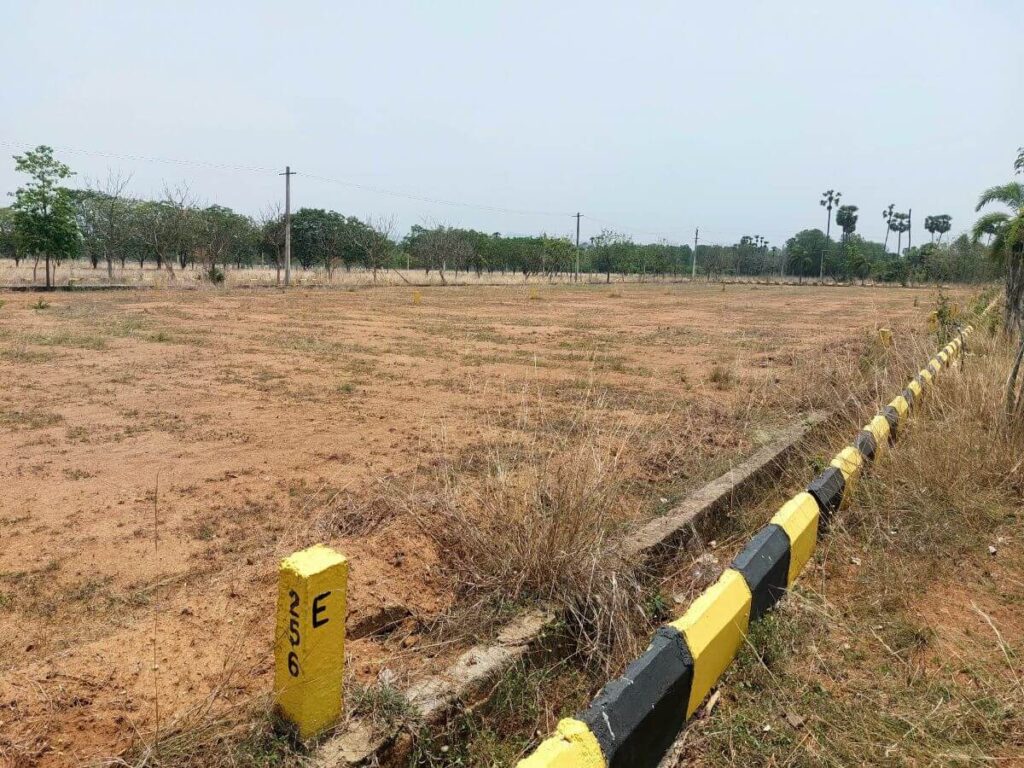
How to Verify a VMRDA Approved Plot
A Step-by-Step Guide to Verifying Layout Approval Before You Buy
Introduction
By now, you know:
- What VMRDA is
- Why layout approvals matter
- What an LP Number is
- Why buyers should always ask for the LP Number
The next logical question is:
“How do I actually verify that a layout is genuinely VMRDA approved?”
This is where many buyers feel uncertain.
Some rely only on advertisements.
Others believe verbal assurances.
Some assume that if a project looks well developed, it must automatically be approved.
However, experienced property buyers take a different approach.
They verify.
This chapter explains a practical verification process that every buyer can follow before paying a booking amount or signing any agreement.
Important: This guide is educational in nature. Verification methods, online systems, and documentation procedures may change over time. Always refer to the latest official VMRDA processes and consult a qualified legal professional before completing a property purchase.
Why Verification Matters
Think of verification as a medical check-up before a major surgery.
You wouldn’t make an important medical decision without proper tests.
Similarly, buying land deserves careful verification because it is often one of the largest financial commitments a family makes.
Verification helps buyers:
- Understand the property’s planning status
- Review available documentation
- Ask informed questions
- Reduce avoidable risks
- Make decisions with greater confidence
The 10-Step Verification Process
Step 1 – Ask for the LP Number
This should always be your first question.
Ask politely:
“Could you please share the Layout Permission (LP) Number for this project?”
A genuine developer or seller should normally be able to provide this information.
Do not rely solely on statements such as:
- “It is approved.”
- “Don’t worry.”
- “Everyone is buying here.”
- “We’ll provide the documents later.”
Request the approval reference first.
Step 2 – Request the Approved Layout Plan
Next, ask for a copy of the approved layout plan.
Compare:
- Road locations
- Plot numbers
- Parks
- Open spaces
- Entrance roads
- Common areas
The layout shown in marketing brochures should generally correspond with the approved layout plan.
If significant differences appear, ask for clarification.
Step 3 – Compare the Site with the Approved Layout
Now visit the project.
Walk through the layout.
Observe:
- Do the roads appear where shown?
- Are plot numbers properly marked?
- Is the entrance located correctly?
- Are parks identified?
- Are open spaces visible?
- Does the overall layout resemble the approved plan?
A physical inspection often reveals details that brochures cannot.
Step 4 – Request Supporting Documents
Planning approval is only one part of the buying process.
Also request relevant documents such as:
- Layout approval documents
- Parent (mother) deed
- Encumbrance Certificate (EC)
- Survey records
- Title documents
- Latest tax-related records (where applicable)
- Identity and authority of the seller
You do not need to analyse everything yourself.
Simply ensure the documents are available for review.
Step 5 – Verify the Seller
Whether you are buying from:
- A developer
- An individual owner
- A marketing company
- A real estate consultant
confirm:
- Who owns the property?
- Who is authorised to sell it?
- Who will execute the sale deed?
Knowing who you are dealing with is an important part of due diligence.
Step 6 – Understand What Has Been Completed
Ask the developer:
Which of the following are already completed?
- Internal roads
- Drainage
- Street lighting
- Compound wall
- Entrance arch
- Water infrastructure
- Electricity infrastructure
Then verify these during your site visit.
Distinguishing between completed works and future commitments helps set realistic expectations.
Step 7 – Understand the Surrounding Area
Do not evaluate only the layout.
Also study:
- Nearby roads
- Existing residential development
- Schools
- Hospitals
- Public transport
- Commercial areas
- Employment centres
- Future infrastructure announced by government authorities
Location remains one of the most important factors in long-term property decisions.
Step 8 – Obtain an Independent Legal Opinion
This is one step many buyers skip.
A qualified property lawyer can review:
- Ownership documents
- Title
- Encumbrances
- Legal history
- Supporting documents
The cost of a legal opinion is usually small compared with the value of the property being purchased.
Step 9 – Review Everything Before Paying
Before paying any booking amount or advance:
Ask yourself:
- Have I seen the layout approval?
- Have I reviewed the layout plan?
- Have I visited the site?
- Have I compared the documents?
- Have I consulted a legal professional if needed?
- Do I fully understand what I am purchasing?
If the answer to several of these questions is “No,” consider completing those steps before making a financial commitment.
Step 10 – Keep Copies of Important Documents
Once you proceed with the purchase, maintain organised records of:
- Layout approval documents
- Sale agreement
- Sale deed
- Payment receipts
- Approved layout plan
- Survey sketches
- EC
- Legal opinion (if obtained)
Good record-keeping can be valuable in the future.
A Simple Verification Flow
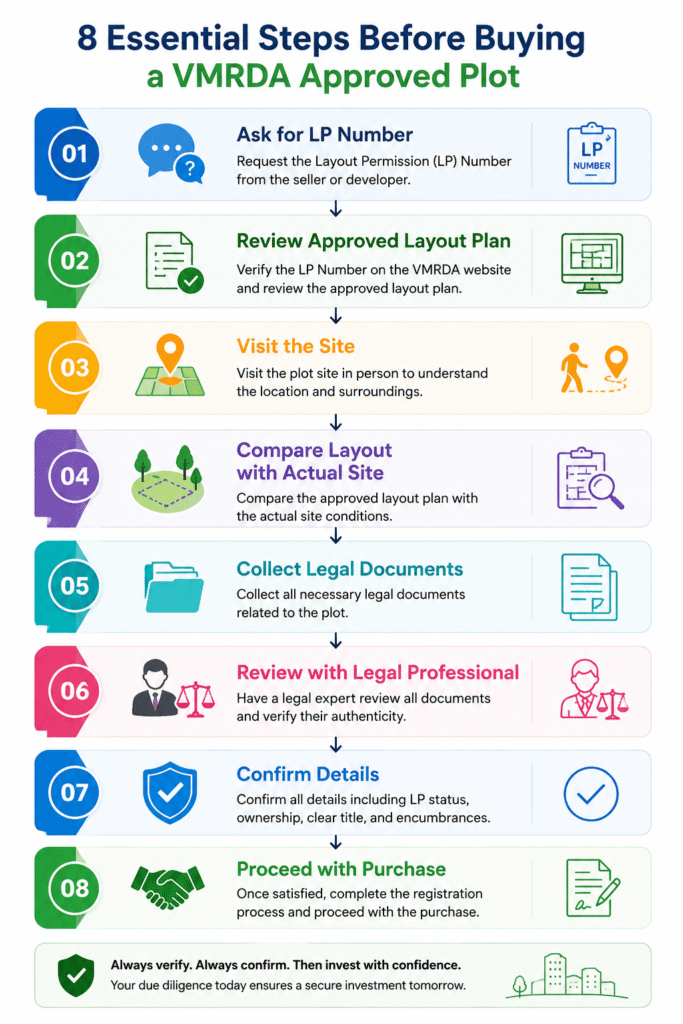
Documents You Should Request
Here is a practical document checklist.
| Document | Why It Matters |
|---|---|
| LP Number | Planning approval reference |
| Approved Layout Plan | Shows the approved development |
| Parent (Mother) Deed | Helps establish ownership history |
| Encumbrance Certificate | Helps identify registered transactions affecting the property |
| Survey Records | Confirms land identification |
| Sale Deed Draft | Review before registration |
| Identity of Seller | Confirms who is selling |
| Tax-related Records (where applicable) | Provides additional supporting information |
Note: The exact documents required may vary depending on the property and transaction.
Common Verification Mistakes
Mistake 1
Booking the plot before seeing any documents.
Mistake 2
Depending only on advertisements.
Mistake 3
Not visiting the site personally.
Mistake 4
Ignoring the approved layout plan.
Mistake 5
Skipping legal verification to save money.
Mistake 6
Assuming planning approval confirms ownership.
Mistake 7
Believing verbal assurances without supporting documentation.
Questions Every Buyer Should Ask
When speaking with a developer or seller, consider asking:
- What is the LP Number?
- Can I see the approved layout plan?
- Has the layout received planning approval?
- Can I review the ownership documents?
- What infrastructure has already been completed?
- What development is still pending?
- Can I visit the site?
- Can I compare the approved layout with the actual development?
- Can I consult my lawyer before making payment?
A transparent seller should be willing to answer these questions.
Red Flags That Deserve Extra Attention
While every situation is unique, proceed carefully if you notice:
⚠ Refusal to share documents
⚠ Statements like “Documents are not necessary.”
⚠ Conflicting information from different sales representatives
⚠ Difficulty identifying the layout approval
⚠ Significant differences between brochures and the actual site
These situations do not automatically mean there is a problem, but they justify asking additional questions and seeking independent advice.
Practical Buyer Example
Buyer A
Books a plot after a 30-minute site visit.
Reviews no documents.
Pays immediately.
Buyer B
Requests the LP Number.
Studies the approved layout.
Visits the site twice.
Reviews documents.
Obtains a legal opinion.
Then books the plot.
Most experienced investors follow the second approach because it helps them make more informed decisions.
Verification Checklist
Before booking your plot, confirm:
Planning
☐ LP Number obtained
☐ Approved layout plan reviewed
☐ Plot identified
Site
☐ Site visited
☐ Roads verified
☐ Plot location confirmed
☐ Parks and open spaces identified
Documents
☐ Parent deed available
☐ EC reviewed
☐ Survey details checked
☐ Seller identity confirmed
Legal
☐ Legal opinion obtained (recommended)
☐ Questions clarified
Financial
☐ Payment schedule understood
☐ Receipts documented
Need help reviewing a project’s approval documents?
At VizagPropertys, we encourage every buyer to make an informed decision. We can walk you through the available planning documents, explain the layout plan, discuss the LP Number, and answer your questions before you book a plot.
Expert Advice from VizagPropertys
Never feel embarrassed about asking questions.
A property purchase is a major investment.
Professional developers and transparent sellers generally appreciate informed buyers because clear communication helps build trust.
If someone discourages you from asking reasonable questions or reviewing documents, consider that a signal to proceed carefully and complete independent verification.
Key Takeaways
- Always request the LP Number early in the buying process.
- Compare the approved layout plan with the physical site.
- Review supporting legal documents.
- Visit the property personally.
- Consider obtaining an independent legal opinion.
- Keep copies of all important records.
- Verification is about making an informed decision—not creating unnecessary delays.
Fact Verification Notes
This chapter provides a practical due diligence framework rather than an official VMRDA verification procedure. While the steps reflect widely accepted property-buying best practices, the exact documents, processes, and verification methods may vary depending on the project, location, and applicable regulations. Buyers should confirm current procedures with the relevant authorities and obtain independent legal advice before completing any transaction.
The Ultimate VMRDA Plot Verification Toolkit
1. Ultimate Verification Matrix
| Document | What It Helps Verify | What It Does NOT Verify |
|---|---|---|
| LP Number | Planning approval reference | Ownership |
| Mother Deed | Ownership history | Layout approval |
| EC | Registered transactions | Physical possession |
| Sale Deed | Transfer of ownership | Infrastructure completion |
| Survey Records | Land identification | Market value |
| Layout Plan | Approved layout design | Title |
2. "15 Costly Mistakes Buyers Make"
Examples:
- Buying based only on price
- Skipping legal verification
- Never visiting the site
- Assuming registration equals approval
- Believing every brochure
- Not checking access roads
- Ignoring surrounding development
- Depending only on verbal promises
3. Decision Tree
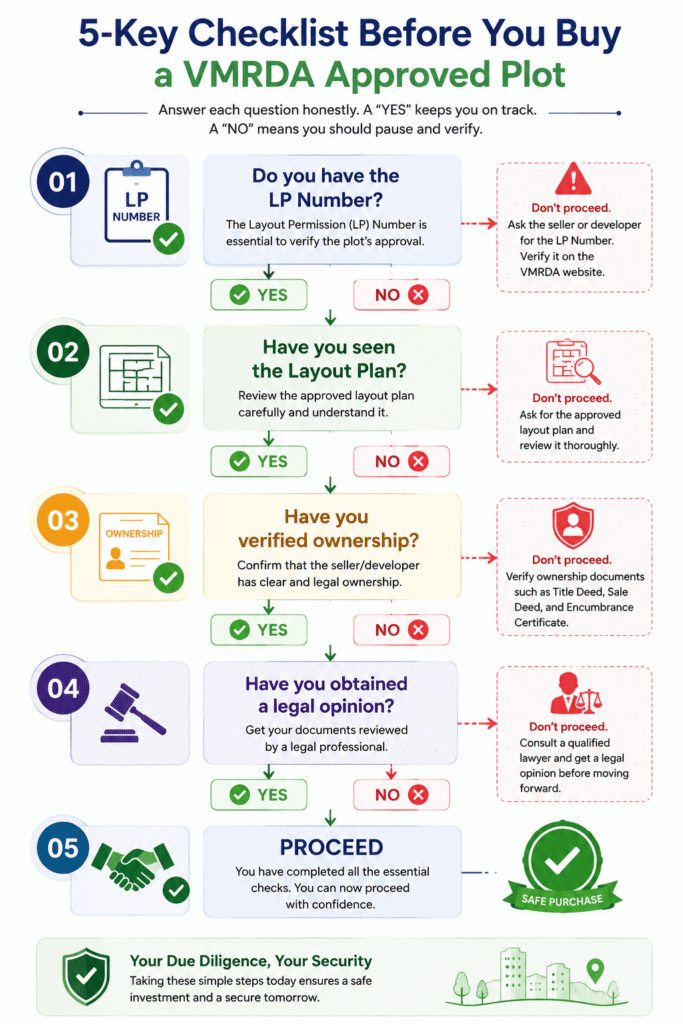
4. Before You Pay ₹1: Buyer's Checklist
Don’t pay even a token advance until every item below is checked.
| ✔ | Verification Item | Status |
|---|---|---|
| ☐ | I have verified the LP Number from the seller/developer. | |
| ☐ | I have confirmed the LP Number on the official VMRDA website. | |
| ☐ | I have reviewed the approved layout plan. | |
| ☐ | The plot number matches the approved layout. | |
| ☐ | I have physically visited the plot location. | |
| ☐ | Internal roads are developed as promised. | |
| ☐ | Boundary stones are clearly marked. | |
| ☐ | Electricity access is available or planned. | |
| ☐ | Drainage system is provided. | |
| ☐ | Water availability has been verified. | |
| ☐ | I have verified the ownership documents. | |
| ☐ | The seller has legal authority to sell the plot. | |
| ☐ | Encumbrance Certificate (EC) has been checked. | |
| ☐ | I have reviewed the latest Title Deed. | |
| ☐ | I have checked the Sale Deed chain. | |
| ☐ | Property tax records are verified (if applicable). | |
| ☐ | I have confirmed there are no legal disputes. | |
| ☐ | A legal professional has verified all documents. | |
| ☐ | I understand all registration charges. | |
| ☐ | I have received written payment terms. | |
| ☐ | I have verified all promised amenities. | |
| ☐ | I have confirmed the exact plot dimensions on-site. | |
| ☐ | I am satisfied with the location and future development potential. | |
| ☐ | I am ready to proceed with confidence. |
5. "When Should You Walk Away?"
Situations where buyers should pause and gather more information, for example:
- Documents are unavailable
- Important questions remain unanswered
- Layout details are inconsistent
- High-pressure sales tactics
- Seller discourages legal review
This should be presented carefully as educational guidance, not absolute rules.
6. Professional Buyer's Workflow
Research
↓
LP Number
↓
Layout Plan
↓
Site Visit
↓
Document Review
↓
Legal Opinion
↓
Registration
↓
Construction
How VMRDA Approves a Layout
The Complete Layout Approval Process Explained
Introduction
When buyers hear that a project is VMRDA Approved, they often assume that the approval is issued immediately after a developer submits an application.
In reality, obtaining a layout approval is a structured planning process.
Before a layout receives planning approval, the developer is generally required to submit plans, documents, and other information for scrutiny under the applicable planning regulations.
The competent planning authority examines the proposal to determine whether it complies with the planning framework before granting approval.
Understanding this process helps buyers appreciate why layout approval is an important aspect of planned development.
It also helps buyers ask better questions when evaluating a project.
Why Does VMRDA Review Layouts?
Urban planning is not simply about dividing land into plots.
A residential layout should function as a complete neighbourhood where people can:
- Live comfortably
- Travel safely
- Access basic infrastructure
- Enjoy public spaces
- Benefit from orderly development
Without planning, problems such as narrow roads, poor drainage, lack of open spaces, and traffic congestion may arise over time.
The layout approval process aims to reduce these risks by ensuring that proposed developments comply with applicable planning standards.
A Simple Example
Imagine two developers each own 15 acres of land.
Developer A
Immediately divides the land into 250 plots and starts selling them.
No planning.
No road hierarchy.
No parks.
No infrastructure planning.
Developer B
Prepares a detailed layout.
Designs roads.
Provides open spaces.
Plans utility corridors.
Reserves parks.
Submits the proposal for planning approval.
Waits for approval before marketing the project.
Most buyers naturally feel more confident in the second approach because it reflects a planned development process.
The Layout Approval Journey
Although every project is different, the process generally follows these stages.
Stage 1 – Land Identification
The developer first identifies the land proposed for development.
Before proceeding, factors such as:
- Location
- Boundaries
- Survey details
- Land records
- Existing land use
are reviewed.
Stage 2 – Preparing the Layout Plan
Urban planners, architects, and engineers prepare a proposed layout.
The plan typically shows:
- Internal roads
- Individual plots
- Open spaces
- Parks
- Common areas
- Utility corridors
- Access roads
- Public amenities
This forms the basis of the application.
Stage 3 – Submission to the Planning Authority
The developer submits the proposal along with the required documents to the competent planning authority.
Depending on the applicable regulations and project, the submission may include:
- Layout drawings
- Ownership-related documents
- Survey information
- Technical plans
- Other supporting documents
Stage 4 – Technical Scrutiny
Planning officials review the proposal.
They examine whether the layout complies with applicable planning norms.
This review may include:
- Road planning
- Plot arrangement
- Open-space reservations
- Land-use conformity
- Access
- Infrastructure planning
If additional information is required, the applicant may be asked to provide clarifications or revised plans.
Stage 5 – Revisions (If Required)
Not every application receives immediate approval.
Sometimes planners recommend modifications.
Examples might include:
- Adjusting road alignments
- Revising plot arrangements
- Increasing open spaces where required
- Addressing planning observations
The developer may need to revise the proposal before approval can proceed.
Stage 6 – Layout Approval
Once the proposal satisfies the applicable planning requirements, the competent authority grants layout approval.
The approved layout is assigned a Layout Permission (LP) Number, which serves as the planning approval reference.
Stage 7 – Development
After approval, the developer proceeds with the development in accordance with the approved layout and applicable conditions.
Development activities may include:
- Formation of roads
- Drainage works
- Utility infrastructure
- Entrance features
- Parks and landscaping
- Street lighting
The pace and sequence of development depend on the developer and project.
Simplified Approval Flow
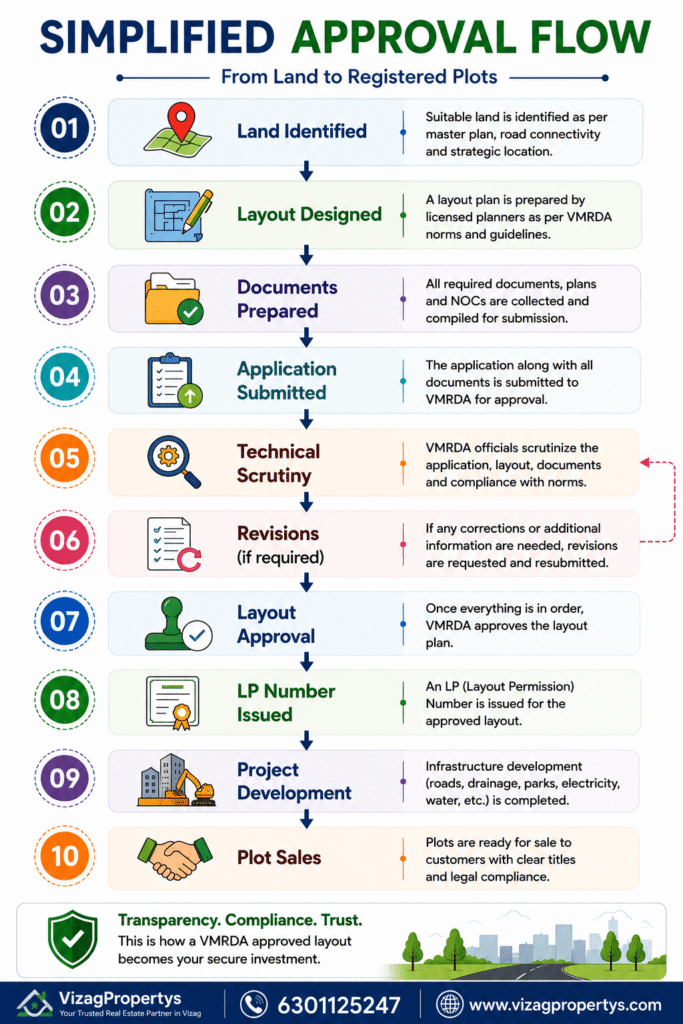
What Buyers Can Learn from the Approval Process
Understanding how layouts are approved helps buyers ask better questions, such as:
- When was the layout approved?
- Can I review the approved layout plan?
- What infrastructure has already been completed?
- Does the current site match the approved layout?
- Are there any ongoing development works?
These questions often provide more useful information than focusing only on the advertised price.
Want to understand how a specific project’s approval fits into this process?
At VizagPropertys, we can help you understand layout approvals, explain the available planning documents, and guide you through the evaluation process before you decide to invest.
Does Approval Mean Development Is Complete?
No.
Planning approval and physical development are different stages.
A layout may have planning approval while infrastructure works are still being completed.
During a site visit, buyers should verify:
- Road development
- Drainage works
- Utility infrastructure
- Parks
- Street lighting
- Overall progress
Understanding what has already been completed—and what is still under development—helps set realistic expectations.
Role of the Buyer
Although the approval process is primarily between the developer and the planning authority, buyers also have an important role.
A careful buyer should:
- Request the LP Number.
- Review the approved layout plan.
- Visit the site.
- Verify legal documents.
- Obtain an independent legal opinion where appropriate.
- Compare the approved layout with the physical development.
This combination of planning verification and legal due diligence leads to better-informed decisions.
Key Takeaways
- Layout approval is a structured planning process, not a single administrative step.
- Developers generally submit layout plans and supporting documents for scrutiny under applicable regulations.
- The planning authority reviews the proposal for compliance with planning norms before granting approval.
- Once approved, the layout receives an LP Number.
- Buyers should distinguish between planning approval and the physical completion of infrastructure.
- A personal site visit and document review remain essential parts of the buying process.
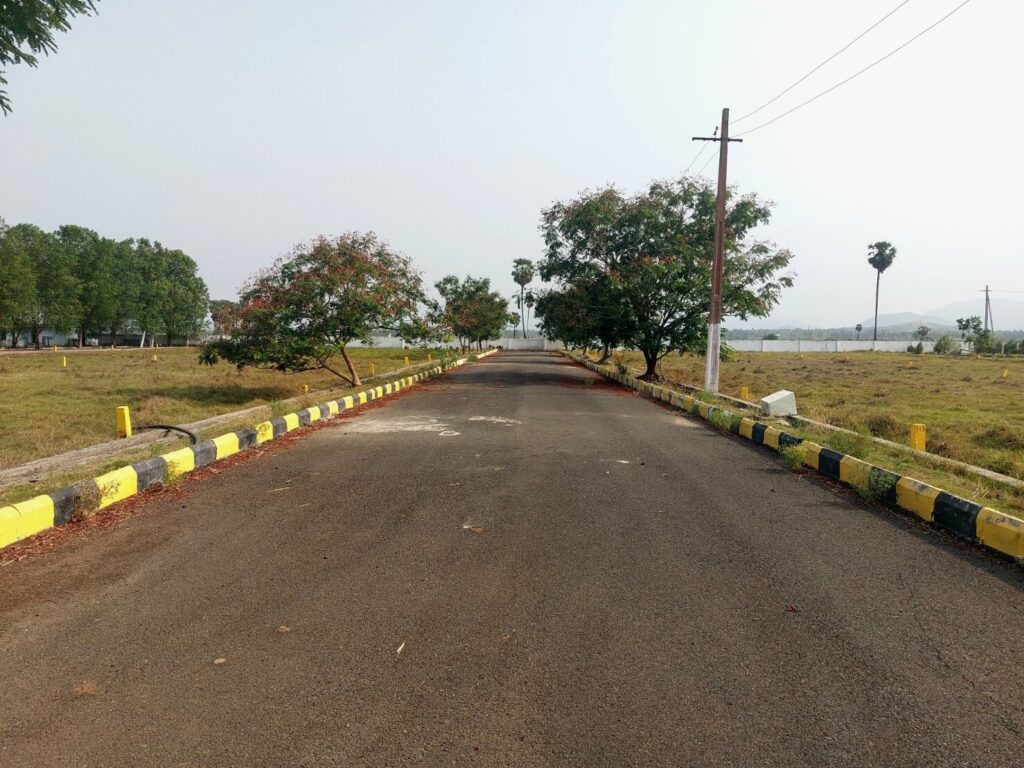
Mortgage Release of VMRDA Approved Plots
Buying a VMRDA Approved Plot is considered one of the safest ways to invest in real estate. However, many buyers come across the term Mortgage Plot during their property search and become confused about what it means. Understanding the mortgage process can help you make an informed purchase and avoid unnecessary concerns.
Fortunately, a mortgage plot does not automatically indicate a legal problem. In many approved layouts, certain plots are temporarily kept under mortgage as part of the layout approval process. Once the developer fulfills the required conditions, these plots may become eligible for release by the competent authority.
Before purchasing any plot, it is important to verify whether it has been released (if applicable) and ensure that all required documents are available.
What is a Mortgage Plot?
A mortgage plot is a plot that has been reserved under the layout approval process. It generally remains under the control of the planning authority until the developer satisfies specified development requirements.
Mortgage plots are not reserved because of ownership disputes. They are part of the approval mechanism designed to encourage proper completion of the approved layout.
Why are Some Plots Mortgaged?
Planning authorities require developers to complete infrastructure such as:
- Internal roads
- Drainage systems
- Water supply
- Electricity provisions
- Parks and open spaces
- Other approved layout amenities
Keeping certain plots under mortgage encourages developers to complete these works according to the approved layout plan.
What is Mortgage Release?
Mortgage release is the process through which the competent authority releases mortgaged plots after the required conditions have been fulfilled.
Depending on the layout and applicable regulations, this may involve verification that the approved development works have been completed and other requirements have been satisfied.
A released mortgage plot can then generally be dealt with in the same manner as other approved plots, subject to all applicable legal requirements.
Why Should Buyers Verify Mortgage Release?
Before purchasing any plot, buyers should verify the legal status of the property.
Ask the developer or seller for relevant documents, including where applicable:
- Approved Layout Plan
- LP Number
- Mortgage Release Letter (if the plot was mortgaged)
- Sale Deed
- Link Documents
- Encumbrance Certificate
- Other supporting approvals
Proper document verification helps reduce legal risks and gives buyers greater confidence before making a purchase.
Buyer Tips
Before purchasing a VMRDA Approved Plot:
- Verify the LP Number.
- Review the approved layout plan.
- Check whether the plot was ever mortgaged.
- If applicable, verify the Mortgage Release Letter.
- Review all legal documents.
- Obtain independent legal advice before registration.
These simple checks can help protect your investment and reduce the chances of future complications.
Want to Learn More?
Mortgage plots are one of the most misunderstood topics in real estate.
If you would like a detailed explanation covering:
- Mortgage plots explained step by step
- Mortgage release process
- How to identify a mortgage plot
- Documents to verify
- Frequently Asked Questions
- Flowcharts
- Checklists
- Common buyer mistakes
Read our complete guide: Mortgage Plots in VUDA & VMRDA Approved Layouts.
FAQs
What is a mortgage plot?
A mortgage plot is a plot reserved under the layout approval process until specified conditions are satisfied.
Can I buy a mortgage plot?
Buyers should carefully verify the legal status of the plot and all applicable documents before proceeding with any purchase.
How can I verify mortgage release?
Request the relevant documents from the developer or seller and, where appropriate, obtain an independent legal opinion before registration.
Essential Documents to Check Before Buying a Plot
The Complete Document Verification Guide for VMRDA Approved Plots in Vizag
Introduction
Buying a plot is more than selecting a good location or negotiating a fair price.
Behind every successful property purchase is a careful review of the supporting documents.
Many first-time buyers assume:
“If the layout is VMRDA approved, everything must be fine.”
Unfortunately, that’s not always true.
A VMRDA-approved layout is an important planning consideration, but it is only one part of the overall verification process.
A prudent buyer should also verify ownership, title, land records, registration documents, encumbrances, survey details, and other relevant records before proceeding.
This chapter explains the most important documents you should understand before buying a plot in simple language.
Why Document Verification Matters
Imagine buying a car.
Even if it looks brand new, you would still check:
- Registration certificate
- Insurance
- Service history
- Chassis number
- Ownership records
Buying land deserves even greater care because property is usually a much larger investment.
Document verification helps buyers:
- Understand ownership
- Review legal history
- Verify planning approvals
- Reduce uncertainty
- Make informed decisions
The Golden Rule
Never depend on only one document.
Every document answers a different question.
For example:
| Document | Primary Purpose |
|---|---|
| LP Number | Planning approval reference |
| Mother Deed | Ownership history |
| Sale Deed | Current transfer of ownership |
| Encumbrance Certificate | Registered transactions affecting the property |
| Survey Records | Identification of the land |
| Approved Layout Plan | Planning layout details |
The safest decisions come from reviewing multiple documents together.
Document 1 – Layout Permission (LP) Number
We’ve already discussed LP Numbers in detail, but they deserve a place in this checklist because they are one of the first documents buyers should request.
Why It Matters
The LP Number helps identify the approved layout.
It provides a reference for the planning approval granted by the competent authority.
What It Can Help Verify
- Approved layout reference
- Planning approval
- Layout identification
What It Does NOT Verify
- Ownership
- Title
- Encumbrances
- Legal disputes
Document 2 – Approved Layout Plan
The approved layout plan is one of the most valuable documents a buyer can review.
It shows the approved design of the project.
It typically includes:
- Roads
- Plot numbers
- Parks
- Open spaces
- Common areas
- Access roads
- Amenities (where applicable)
During your visit, check whether:
- Roads match the plan
- Plot numbers correspond
- Parks are located correctly
- Open spaces are identifiable
Document 3 – Mother Deed
One of the most important legal documents is the Mother Deed, sometimes referred to as the Parent Deed.
It helps establish the historical chain of ownership.
In simple words:
It answers the question:
“How did the present owner acquire this property?”
A legal professional can examine whether the chain of ownership appears complete and consistent.
What It Helps Verify
- Ownership history
- Previous transfers
- Chain of title
- Current planning approval
- Infrastructure completion
- Future development
Document 4 – Sale Deed
The Sale Deed records the legal transfer of ownership between the seller and the buyer.
This is one of the most important registration documents in any property transaction.
Before registration, buyers should carefully review:
- Property description
- Boundaries
- Survey details
- Plot number
- Consideration amount
- Names of the parties
A legal professional should review the draft before execution whenever appropriate.
Document 5 – Encumbrance Certificate (EC)
he Encumbrance Certificate (EC) is one of the most frequently requested documents during property transactions.
Generally speaking, it helps identify registered transactions affecting the property for the period covered by the certificate.
Buyers often request an EC to better understand the registered history of a property.
Why It Matters
It can provide information relating to:
- Registered sale transactions
- Certain registered mortgages
- Other registered encumbrances, if any
However, buyers should understand its limitations.
What It Does NOT Automatically Confirm
An EC should not be treated as a complete legal opinion.
The absence of entries does not automatically mean there are no legal issues.
Independent legal verification remains important.
Document 6 – Survey Number
Every parcel of land is identified through survey records.
The Survey Number helps identify the land parcel.
During verification, ensure that:
- The survey details in the documents are consistent.
- The plot corresponds to the appropriate survey records.
- The approved layout relates to the relevant land.
Document 7 – Field Measurement Book (FMB)
The Field Measurement Book (FMB) contains survey measurements and sketches prepared during land surveying.
While many first-time buyers may never review an FMB themselves, it can be valuable in resolving boundary-related questions.
Survey professionals and legal experts often rely on these records during detailed verification.
Document 8 – Link Documents
Link Documents show how ownership has passed from one owner to another over time.
Together with the Mother Deed, they help establish the property’s ownership history.
A continuous chain of documents is generally preferable to unexplained gaps.
Document 9 – Identity of the Seller
Before making any payment, verify:
- Who owns the property?
- Is the seller authorised to sell?
- If someone is acting through a Power of Attorney, is the authority valid and applicable?
Knowing who you are dealing with is an essential part of due diligence.
Document 10 – Tax-Related Records
Depending on the property and location, buyers may also review relevant tax-related records.
These records provide additional supporting information but should be considered alongside the other documents rather than in isolation.
One Document Never Tells the Complete Story
A common mistake is relying on only one document.
For example:
- LP Number alone is not enough.
- EC alone is not enough.
- Sale Deed alone is not enough.
- Layout approval alone is not enough.
Instead, think of each document as one piece of a larger puzzle.
When reviewed together, they provide a much clearer understanding of the property.
Document Verification Matrix
| Document | Helps Verify | Does NOT Automatically Verify |
|---|---|---|
| LP Number | Planning approval reference | Ownership |
| Layout Plan | Approved layout design | Title |
| Mother Deed | Ownership history | Infrastructure |
| Sale Deed | Property transfer | Planning approval |
| EC | Registered transactions | Complete legal status |
| Survey Number | Land identification | Ownership |
| FMB | Survey measurements | Market value |
| Tax Records | Certain local records | Title |
Need help understanding property documents?
At VizagPropertys, we help buyers understand planning approvals, explain the purpose of common property documents, and guide them through the due diligence process. We encourage every buyer to review documents carefully and obtain independent legal advice before making a purchase.
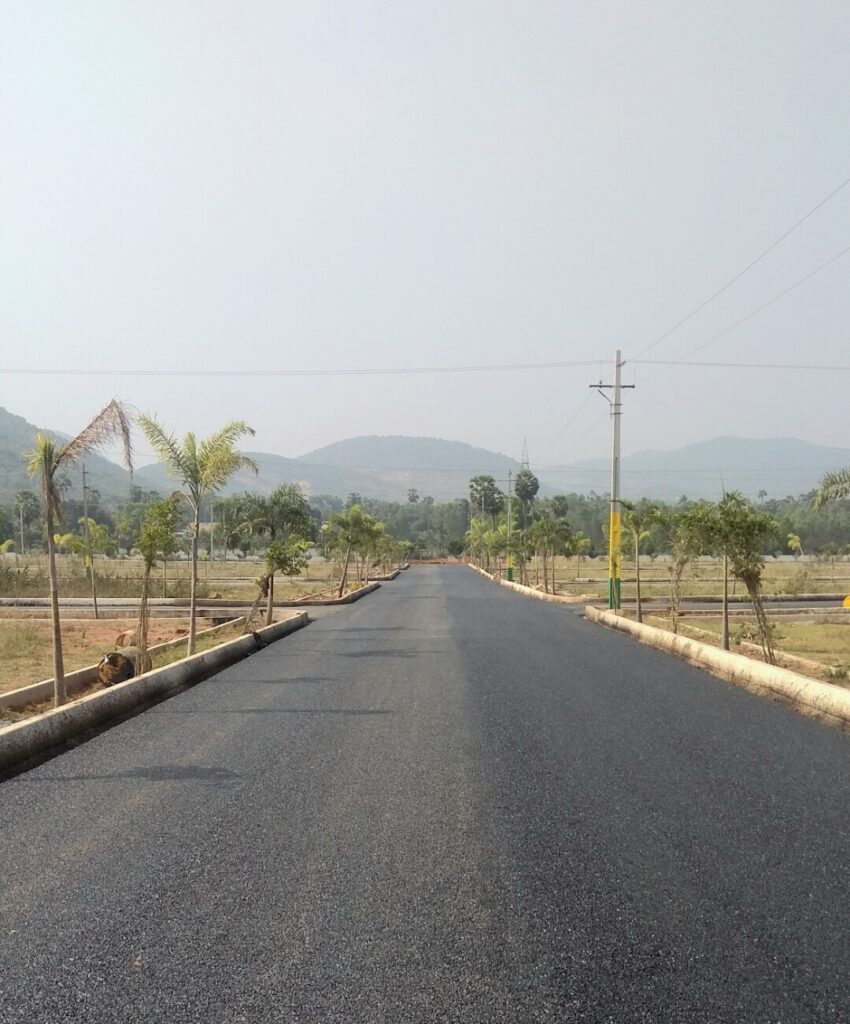
What Happens After Buying a VMRDA Approved Plot?
Building Permission, Registration, Mutation, Property Tax & Post-Purchase Checklist
Introduction
Congratulations!
After researching locations, verifying documents, reviewing approvals, and completing the registration process, you have finally purchased your plot.
For many buyers, this feels like the finish line.
In reality, it is the beginning of the next phase.
Owning a plot comes with responsibilities and several important post-purchase steps. Some buyers plan to construct a home immediately, while others hold the property as a long-term investment.
Regardless of your purpose, understanding what comes next helps you avoid confusion and stay prepared.
This chapter explains the key post-purchase concepts every plot owner should understand.
Important Note: The procedures described below are general educational guidance. The exact authority, documentation, and process depend on the property’s location, applicable regulations, and the laws in force at the time. Always verify the latest requirements with the relevant authorities and obtain professional advice where necessary.
The Journey Doesn't End at Registration
Many first-time buyers think:
“I have registered the plot. Everything is complete.”
Registration is an important milestone, but it is only one step in property ownership.
Depending on your plans, you may later need to consider:
- Safe storage of original documents
- Mutation or transfer of records (where applicable)
- Property tax obligations
- Building permission
- Utility connections
- Boundary demarcation
- Construction planning
Understanding these steps in advance makes the process smoother.
Understanding the Complete Property Ownership Journey
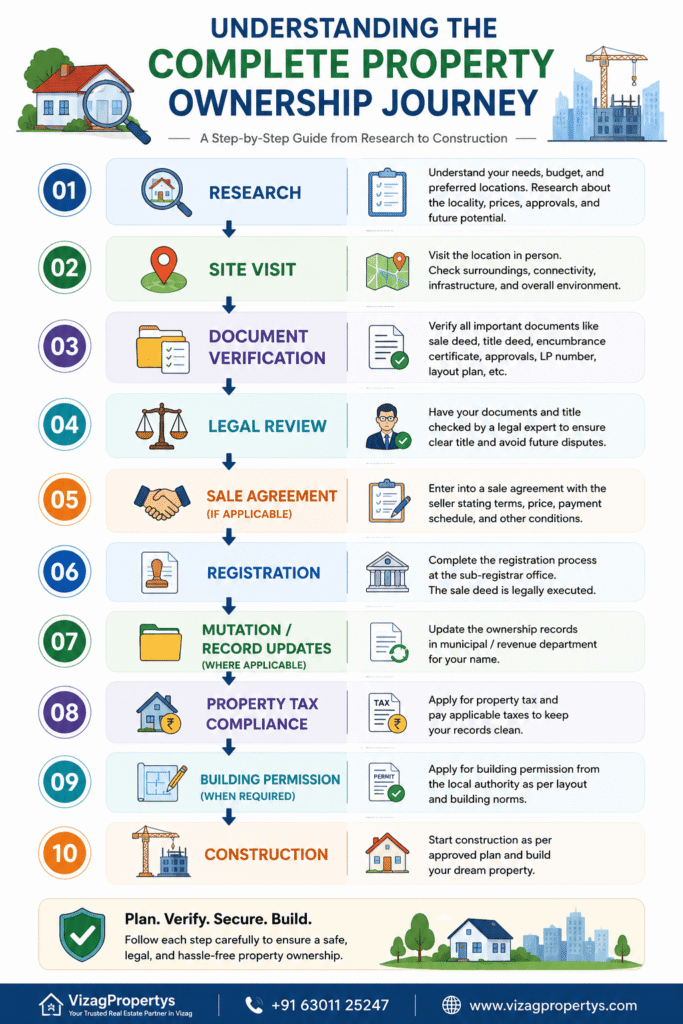
Step 1 – Registration of the Property
Registration is the legal process through which the transfer of ownership is recorded in accordance with the applicable registration laws.
During registration:
- The parties execute the sale deed.
- The document is presented before the Registration Department.
- Applicable stamp duty and registration charges are paid.
- The transaction is officially recorded.
Registration provides an important legal record of the transaction.
Why Registration Matters
Registration generally helps to:
- Record the ownership transfer.
- Create an official registered document.
- Provide legal evidence of the transaction.
- Support future transactions involving the property.
However, registration does not replace earlier due diligence relating to planning approval, title verification, or survey verification.
Registration Does NOT Automatically Mean…
Many buyers misunderstand the legal effect of registration.
Registration does not automatically confirm:
✘ That the layout is approved.
✘ That the title is free from every dispute.
✘ That building permission is automatically available.
✘ That infrastructure is complete.
✘ That future appreciation is guaranteed.
Registration is one important legal step—not the entire verification process.
Before proceeding with registration, buyers should understand the applicable stamp duty, registration fee, market value and other government charges. For a detailed breakdown, see our guide to Plot Registration Charges in Andhra Pradesh (2026–2027).
Step 2 – Safeguard Your Documents
Once registration is complete, protect your original records.
Keep copies of:
- Registered Sale Deed
- Approved Layout Plan
- LP Number details
- Encumbrance Certificate
- Payment receipts
- Survey documents
- Tax receipts (when applicable)
- Legal opinion (if obtained)
Consider keeping:
- Original documents in a secure location.
- Scanned digital copies stored in encrypted cloud storage.
- Additional backup copies.
Good document management can save significant time in the future.
Step 3 – Mutation (Where Applicable)
Many first-time buyers hear the word Mutation and become confused.
Mutation generally refers to the process of updating the relevant land or revenue records to reflect the change in ownership after a property transaction.
Depending on the location and applicable rules, mutation may be handled by the relevant revenue or local authority.
Why Mutation Matters
Mutation may help:
- Update government records.
- Reflect the current owner in applicable records.
- Facilitate future property-related transactions.
- Support property tax administration where applicable.
The exact process varies depending on the property and jurisdiction.
Mutation vs Registration
These terms are often confused.
| Registration | Mutation |
|---|---|
| Records the sale transaction | Updates applicable ownership records |
| Managed through the Registration Department | Managed by the relevant revenue or local authority (depending on jurisdiction) |
| Creates the registered sale document | Updates official records after the transaction |
| Legal transfer process | Administrative record update |
One does not replace the other.
Step 4 – Property Tax
Property owners may have property tax obligations depending on the property’s location, use, and the applicable laws.
The responsible authority may differ depending on whether the property falls within a municipal corporation, municipality, or another local body.
Property tax contributes to the maintenance of civic infrastructure and local services.
Why Buyers Should Understand Property Tax
Property tax can affect:
- Future transactions.
- Record maintenance.
- Civic administration.
- Compliance with local regulations.
Buyers should understand which local authority is responsible for their property.
Step 5 – Building Permission
One of the most common questions buyers ask is:
“I bought the plot. Can I start construction tomorrow?”
In many cases, building permission is required before commencing construction, even if the plot is located within an approved layout.
The applicable authority, procedures, and documentation depend on the property’s location and the prevailing building regulations.
What is Building Permission?
Building permission is the approval granted by the competent authority allowing construction in accordance with the applicable building rules.
It is different from:
- Layout approval
- Property registration
- Mutation
Each serves a different purpose.
Layout Approval vs Building Permission
| Layout Approval | Building Permission |
|---|---|
| Approves the overall layout | Approves the building plan |
| Concerned with roads, plots and planning | Concerned with the proposed building |
| Issued during layout development | Obtained before construction |
| Applies to the layout | Applies to the specific building |
Documents Commonly Required for Building Permission
The exact requirements vary, but may include:
- Registered Sale Deed
- Site plan
- Building plans prepared by qualified professionals
- Ownership documents
- Identity documents
- Other documents required by the competent authority
Always verify the latest requirements before applying.
Step 6 – Utility Connections
After planning construction, owners may need to apply separately for utility services such as:
- Electricity
- Water supply
- Sewerage (where available)
The procedures depend on the service provider and local regulations.
Step 7 – Site Preparation
Before construction begins, many owners arrange:
- Boundary marking
- Site cleaning
- Soil testing (where appropriate)
- Access arrangements
- Temporary utilities
Proper preparation can help avoid delays during construction.
Step 8 – Constructing Your Home
Construction is often the most exciting stage.
However, careful planning remains important.
Before construction, consider:
- Budget
- House design
- Future family needs
- Parking
- Ventilation
- Rainwater management
- Energy efficiency
- Landscaping
Investing time in planning can improve both comfort and long-term value.
Long-Term Responsibilities of a Plot Owner
Property ownership continues long after construction.
Responsible owners should:
- Preserve original documents.
- Pay applicable taxes on time.
- Keep records updated.
- Maintain boundary markers.
- Monitor surrounding development.
- Stay informed about local planning changes.
Common Mistakes After Buying a Plot
Mistake 1
Misplacing original documents.
Mistake 2
Starting construction without obtaining the necessary permissions.
Mistake 3
Ignoring updates to official records where applicable.
Mistake 4
Not understanding local property tax obligations.
Mistake 5
Failing to preserve payment receipts and legal documents.
Post-Purchase Checklist
After purchasing your plot:
☐ Registered Sale Deed collected
☐ Original documents stored safely
☐ Digital copies created
☐ Mutation process understood (if applicable)
☐ Property tax responsibilities confirmed
☐ Building permission requirements reviewed
☐ Site inspected after purchase
☐ Boundary identified
☐ Future construction plans prepared
Expert Advice from VizagPropertys
Buying a plot is not just about completing a registration.
It is about building a secure future.
The most successful property owners are those who stay organised, understand the legal and administrative processes, preserve their records carefully, and seek professional guidance whenever necessary.
Taking these steps today can help prevent unnecessary complications tomorrow.
Fact Verification Notes
This chapter provides general educational guidance on common post-purchase steps. Registration procedures, mutation, property tax administration, building permission requirements, and utility connection processes differ based on the property’s location, governing authority, and the laws and regulations in force. Buyers should verify current requirements with the relevant government departments and consult qualified legal or technical professionals before taking action.
Planning your next step after buying a plot?
Whether you’re preparing for construction or simply want to understand the post-purchase process, VizagPropertys is here to help. We can explain planning concepts, guide you through documentation, and connect you with the information you need to move forward confidently.
Before exploring the best locations for VMRDA Approved plots, it’s worth understanding the key factors driving Vizag’s real estate growth. Read our comprehensive guide on Why Invest in Vizag to discover the city’s expanding infrastructure, employment opportunities, and long-term development plans.
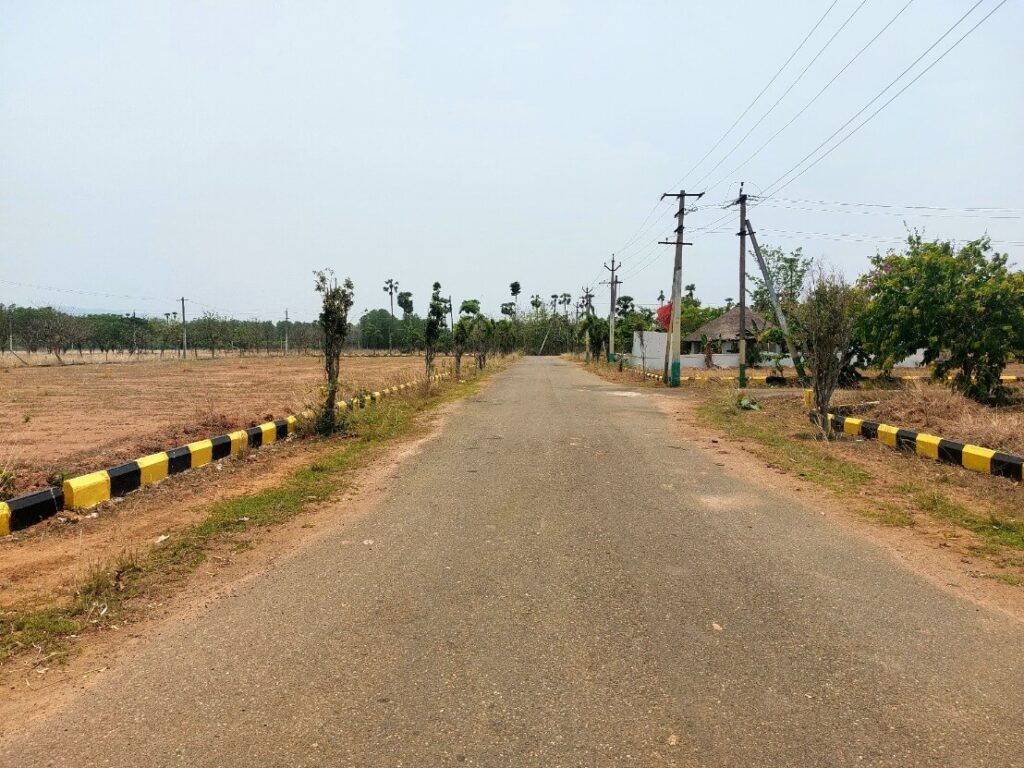
Best Areas to Invest in VMRDA Approved Plots in Vizag
Growth Corridors, Infrastructure Projects & Long-Term Investment Potential
Introduction
Choosing the right plot is not just about selecting a VMRDA-approved layout.
It is equally important to choose the right location.
Two approved plots can have very different long-term outcomes depending on factors such as:
- Connectivity
- Infrastructure
- Employment opportunities
- Industrial development
- Urban expansion
- Government planning
- Population growth
- Availability of social infrastructure
For this reason, experienced investors often spend as much time studying the location as they do verifying documents.
In this chapter, we’ll explore some of the major growth corridors within the Visakhapatnam Metropolitan Region and the factors influencing their development.
Important Note: Property values and investment performance cannot be guaranteed. The information below is intended to help buyers understand development trends based on publicly announced infrastructure projects, planning documents, and regional growth patterns. Buyers should independently verify current market conditions before investing.
What Makes a Good Plot Investment?
Many first-time buyers focus only on today’s price.
Experienced investors ask a different question:
“Why might this location become more valuable over the next 10-20 years?”
Some of the common factors include:
- Major infrastructure projects
- Improved road connectivity
- Employment generation
- Industrial investment
- Educational institutions
- Healthcare facilities
- Public transport improvements
- Urban expansion
- Government planning initiatives
No single factor guarantees appreciation, but together they can influence long-term demand.
Understanding Growth Corridors
1. Bhogapuram Growth Corridor
Among all emerging locations in the Visakhapatnam region, Bhogapuram has become one of the most discussed.
Several factors have contributed to this interest.
Key Growth Drivers
- Bhogapuram International Airport
- National Highway connectivity
- Coastal development
- Tourism potential
- Hospitality investment
- Improved regional accessibility
As airport-related infrastructure develops, surrounding areas may experience increased residential and commercial activity.
Because of these developments, Bhogapuram has become a popular location for buyers seeking long-term investment opportunities.
Several VMRDA Approved residential projects are strategically located within the Bhogapuram Growth Corridor, offering buyers a range of investment opportunities based on their preferences and budgets.
If you’re looking for premium residential plots in Vizag near the upcoming airport and other major infrastructure developments, consider exploring the following projects:
- Aero Destiny – A well-planned residential layout ideally suited for buyers seeking plots close to the Bhogapuram International Airport Growth Corridor.
- Aero Square – A thoughtfully designed VMRDA Approved layout offering excellent connectivity to major roads and upcoming infrastructure.
- Kohinoor Gateway – A premium plotted development positioned to benefit from the region’s rapid growth and improving connectivity.
- Aero City – An emerging residential project designed for investors looking to capitalize on future airport-led development.
- BBG Beverly Hills Bhogapuram – A premium VMRDA Approved residential and villa plots project developed by Building Blocks Group (BBG), offering modern infrastructure and strong long-term investment potential near the Bhogapuram Growth Corridor. View BBG Beverly Hills Bhogapuram Plot Availability and Price.
Explore all these projects to compare locations, amenities, pricing, and investment potential before making your decision.
Ideal For
- Long-term investors
- NRIs
- Early-stage investors
- Buyers looking for airport-driven growth
- Future home builders
For buyers specifically looking for investment opportunities near the upcoming airport, visit our Plots Near Bhogapuram Airport guide for detailed insights into the airport corridor and nearby VMRDA Approved projects.
2. Anandapuram Corridor
Anandapuram occupies an important strategic position because it connects several major roads leading toward Visakhapatnam, Bhogapuram, Araku, and Vizianagaram.
Its connectivity has contributed to steady residential interest.
Growth Drivers
- Highway connectivity
- Educational institutions
- Residential expansion
- Access to Visakhapatnam city
- Future infrastructure improvements
One of the prominent VMRDA Approved residential projects in the Anandapuram Growth Corridor is:
- True Capital – A well-planned VMRDA Approved residential layout by Building Blocks Group (BBG), offering excellent connectivity to NH-16, IT hubs, educational institutions, and the upcoming Bhogapuram International Airport. It is an ideal choice for homebuyers, working professionals, and long-term investors seeking growth in the Anandapuram region. View True Capital Plot Availability and Price.
- Families
- Professionals
- Long-term residential buyers
3. Atchutapuram Industrial Corridor
Atchutapuram has gained prominence due to its industrial ecosystem.
Growth Drivers
- Industrial development
- Manufacturing investments
- Employment generation
- Road connectivity
- Future industrial expansion
Popular VMRDA Approved Projects in Atchutapuram
As Atchutapuram continues to develop as one of the fastest-growing industrial corridors in the Visakhapatnam region, several VMRDA Approved projects provide excellent opportunities for both residential and commercial investors. The area’s proximity to industries, employment hubs, and improving infrastructure makes it an attractive destination for long-term investment.
If you’re planning to invest in this high-growth location, consider exploring:
- True Prime Commercial – A VMRDA Approved commercial plots project by Building Blocks Group (BBG), strategically located in Atchutapuram and designed for investors looking to benefit from the area’s expanding industrial and business ecosystem.
- Kohinoor Prime – A well-planned VMRDA Approved residential plotted development in Atchutapuram by Building Blocks Group, offering modern infrastructure and excellent connectivity, making it suitable for both homebuyers and long-term investors.
- Working professionals
- Rental investors
- Long-term investors
4. Bheemunipatnam (Bheemili)
Bheemili combines coastal surroundings with improving connectivity.
The area continues to attract buyers looking for a balance between residential living and long-term appreciation potential.
Growth Drivers
- Coastal location
- Tourism
- Residential demand
- Improved road network
- Lifestyle appeal
Our Featured Project in Bheemili
- Dream Valley – A VMRDA Approved residential plotted development in Bheemili, offering a peaceful coastal lifestyle with excellent long-term investment potential.
- Families
- Retirement planning
- Lifestyle buyers
5. Kothavalasa
Kothavalasa benefits from its connectivity to both Visakhapatnam and Vizianagaram.
It has attracted attention from buyers seeking comparatively affordable investment opportunities.
Growth Drivers
- Road connectivity
- Railway access
- Educational institutions
- Regional development
Our Featured Project in Kothavalasa
As Kothavalasa continues to grow with improving road connectivity and its proximity to Vizag and Vizianagaram, it has become an attractive destination for residential investment and future development.
- Kohinoor Hills – A VMRDA Approved residential plotted development in Kothavalasa offering well-planned infrastructure, excellent connectivity, and strong long-term investment potential for homebuyers and investors.
- Budget-conscious investors
- Long-term buyers
6. Vizianagaram Corridor
As Visakhapatnam continues to expand outward, the Vizianagaram corridor has become increasingly relevant.
Its strategic location and transportation links contribute to its long-term growth potential.
Growth Drivers
- Regional connectivity
- Educational institutions
- Highway access
- Urban expansion
Our Featured Projects in Raghumanda, Vizianagaram
Raghumanda is emerging as a promising residential and commercial destination in the Vizianagaram region. With improving infrastructure, excellent connectivity, and growing development, it offers attractive opportunities for both homebuyers and investors.
If you’re considering investing in this developing location, explore our featured projects:
- True Empire Deluxe – A VMRDA Approved residential plotted development by Building Blocks Group (BBG), offering well-planned infrastructure and excellent long-term investment potential in Raghumanda.
- True Empire Commercial – A strategically located VMRDA Approved residential plots project in Raghumanda, designed for businesses and investors looking to benefit from the area’s future growth and increasing commercial activity.
7. Emerging Locations
Some emerging locations within the metropolitan region are attracting attention because of proposed infrastructure, improving connectivity, and urban expansion.
These may include areas such as:
- Thagarapuvalasa
- Raghumanda
- Srikakulam corridor
- Anakapalli
- Other developing localities covered by your projects
As with any investment, buyers should evaluate each location individually.
Major Infrastructure Projects Influencing the Region
Rather than focusing only on individual localities, it’s useful to understand the larger developments shaping the region.
These include:
- Bhogapuram International Airport
- National Highway improvements
- Industrial corridors
- Port-related development
- IT and technology investments
- Manufacturing expansion
- Logistics infrastructure
- Educational institutions
- Healthcare facilities
These projects contribute to the broader economic environment that influences property demand.
Master Plan 2041
The VMRDA Master Plan provides a long-term planning framework for the metropolitan region.
It aims to guide:
- Land use
- Transportation
- Urban expansion
- Infrastructure
- Environmental conservation
- Regional development
While the Master Plan is an important planning document, buyers should remember that planning proposals may evolve over time.
Always refer to the latest officially notified plans.
Data Centre & Technology Investments
The Visakhapatnam region has also attracted attention for proposed and ongoing investments in:
- Data centres
- IT infrastructure
- Digital economy projects
Such investments can contribute to employment generation and increased demand for housing over the long term.
However, buyers should distinguish between:
- Announced projects
- Approved projects
- Under-construction projects
- Operational facilities
This distinction helps avoid unrealistic expectations.
Industrial Growth
Industrial expansion plays an important role in residential demand.
Employment opportunities often lead to increased demand for:
- Housing
- Rental accommodation
- Commercial services
- Retail development
Locations near established industrial clusters may therefore attract long-term residential interest.
Infrastructure Checklist for Investors
When evaluating any location, ask:
☐ Is there good road connectivity?
☐ Are major infrastructure projects nearby?
☐ Is employment growing?
☐ Are educational institutions accessible?
☐ Are healthcare facilities available?
☐ Is the area covered by long-term planning?
☐ What residential development already exists?
☐ Is there scope for future expansion?
Expert Advice from VizagPropertys
One of the best investment decisions you can make is choosing a location based on facts rather than hype.
Study the infrastructure.
Visit the area.
Understand connectivity.
Review the planning documents.
Compare multiple locations.
And always remember that a great investment combines good planning, sound documentation, and the right location.
Key Takeaways
- Location is one of the most important factors in long-term plot investment.
- Infrastructure, employment, and connectivity often influence residential demand.
- Buyers should distinguish between announced, approved, and completed projects.
- Every location has its own strengths depending on your investment objectives.
- Evaluate projects based on evidence rather than marketing claims.
Not sure which location suits your investment goals?
Every buyer has different priorities—airport proximity, industrial growth, residential living, retirement planning, or long-term appreciation. At VizagPropertys, we help you compare locations, understand development trends, and explore VMRDA-approved projects that match your requirements. Schedule a consultation or site visit to make an informed decision.
Frequently Asked Questions About VMRDA Approved Plots in Vizag
The Complete Buyer FAQ Guide
Introduction
Buying a plot is one of the biggest financial decisions many people make.
Even after understanding VMRDA approvals, layout plans, LP Numbers, mortgage plots, document verification, and investment locations, buyers still have practical questions before making a decision.
This FAQ section answers the most common questions asked by:
- First-time buyers
- Families
- NRIs
- Long-term investors
- Working professionals
- Retirees
The answers below are intended as educational guidance. Depending on the property and applicable regulations, buyers should verify specific details with the relevant authorities and obtain independent legal advice where appropriate.
Section 1 – Understanding VMRDA
1. What is VMRDA
VMRDA (Visakhapatnam Metropolitan Region Development Authority) is the metropolitan planning authority responsible for planning and regulating development within its notified jurisdiction. Its role includes preparing master plans, reviewing layout proposals, and promoting planned urban development.
2. Is VMRDA the same as VUDA?
No.
VUDA was the earlier planning authority. VMRDA succeeded VUDA as part of the Government of Andhra Pradesh’s metropolitan planning reforms.
Older layouts may have valid VUDA approvals, while newer layouts within the notified area generally carry VMRDA approvals.
3. What is a VMRDA-approved plot?
A VMRDA-approved plot is a plot located within a layout that has received planning approval from VMRDA (or the competent planning authority), subject to applicable regulations and approval conditions.
4. Why is VMRDA approval important?
Layout approval helps promote planned development by considering roads, open spaces, drainage, utility planning, and other planning standards.
5. Does VMRDA approval guarantee ownership?
No.
Planning approval and ownership are separate matters.
Buyers should independently verify title, ownership, and other legal documents.
Section 2 – Layout Approval
6. What is a layout approval?
Layout approval is the planning approval granted to a proposed land development after it is reviewed against applicable planning regulations.
7. Can I build immediately after buying a VMRDA-approved plot?
Not necessarily.
Building permission is generally required before construction, even if the plot is in an approved layout.
8. Is layout approval the same as building permission?
No.
Layout approval relates to the overall development.
Building permission relates to the proposed building.
9. Does every layout have an LP Number?
Approved layouts are generally assigned a Layout Permission (LP) Number by the competent planning authority.
10. Can I verify the layout before buying?
Yes.
Buyers should request the approved layout plan, LP Number, and supporting documents, and compare them with the actual site.
Section 3 – LP Numbers
11. What does LP stand for?
LP stands for Layout Permission.
12. Is the LP Number the same as the plot number?
No.
The LP Number identifies the approved layout.
The plot number identifies the individual plot.
13. Does an LP Number guarantee legal safety?
No.
An LP Number indicates a planning approval reference. Buyers should also verify ownership, title, encumbrances, and other legal documents.
14. Can two layouts have the same LP Number?
Generally, each approved layout has its own planning approval reference.
15. Should I ask for the LP Number before paying an advance?
Yes.
Requesting the LP Number early helps buyers begin the verification process before making a financial commitment.
Section 4 – Mortgage Plots
16. What is a mortgage plot?
A mortgage plot, in the planning context, is land retained as security under layout approval conditions to help ensure that required development works are completed.
17. Is a mortgage plot the same as a bank mortgage?
No.
A planning mortgage and a bank mortgage are different concepts.
18. What is mortgage plot release?
It is the process through which the planning authority may release mortgaged plots after the applicable approval conditions have been satisfied.
19. Can I buy a released mortgage plot?
Subject to the applicable legal and planning requirements, a released mortgage plot may be available for purchase. Buyers should verify the documentation and seek legal advice.
20. Should I avoid mortgage plots?
Not necessarily.
Understand the mortgage status, review the documentation, and complete proper due diligence.
Section 5 – Document Verification
21. Which documents should I verify before buying a plot?
Common documents include:
- LP Number
- Approved layout plan
- Mother (Parent) Deed
- Sale Deed
- Encumbrance Certificate
- Survey records
- Identity of the seller
- Relevant tax-related records (where applicable)
22. What is a Mother Deed?
A Mother Deed helps establish the property’s ownership history.
23. What is an Encumbrance Certificate?
An EC provides information about registered transactions affecting the property for the period covered by the certificate.
24. Should I consult a lawyer?
Yes.
Independent legal advice is recommended for significant property purchases.
25. Should I visit the site before booking?
Absolutely.
A site visit allows you to compare the approved layout with the actual development and assess surrounding infrastructure.
Section 6 – Investment Questions
26. Which area is best for investment in Vizag?
The answer depends on your budget, goals, and investment horizon.
Areas such as Bhogapuram, Anandapuram, Atchutapuram, Bheemunipatnam, Kothavalasa, and parts of the Vizianagaram corridor each have different characteristics.
27. Does buying near an airport guarantee appreciation?
Buying near an airport can offer strong long-term growth potential because of improved connectivity and future development. While appreciation cannot be guaranteed, selecting a VMRDA-approved plot in a strategic location with good infrastructure can increase the chances of long-term value growth.
28. Should I buy based only on future announcements?
No.
Balance future potential with current infrastructure, legal verification, and practical accessibility.
29. Is a low-priced plot always a good deal?
Not necessarily.
Price should be considered alongside approvals, documents, connectivity, and long-term suitability.
30. Is a VMRDA-approved plot a good long-term investment?
It can be, depending on factors such as location, infrastructure, demand, legal status, and your financial objectives.
Section 7 – Registration & Construction
31. What happens after registration?
Depending on the property and your plans, you may need to consider mutation (where applicable), property tax, building permission, and document safekeeping.
32. Is registration enough?
No.
Registration is an important legal step, but it does not replace planning verification or legal due diligence.
33. Can I build any house I want?
Construction is generally subject to the applicable building rules and permission requirements.
34. Who grants building permission?
The competent local authority grants building permission in accordance with applicable regulations.
35. Should I keep digital copies of my documents?
Yes.
Maintain secure digital backups along with the original documents.
Section 8 – Common Buyer Mistakes
36. What is the biggest mistake first-time buyers make?
Making decisions based only on price or marketing without verifying documents and understanding the property.
37. Should I trust advertisements?
Treat advertisements as promotional material. Always verify important information independently.
38. Is legal verification really necessary?
Yes.
Planning approval and legal verification address different aspects of the property.
39. Should I compare multiple projects?
Yes.
Comparing projects helps you understand pricing, infrastructure, connectivity, and documentation.
40. When should I walk away from a deal?
Consider pausing and gathering more information if:
- Important documents are unavailable.
- Questions remain unanswered.
- There are inconsistencies between the documents and the site
- Independent legal review is discouraged.
Each situation should be evaluated on its own merits.
Final Advice to Every Plot Buyer
Before making one of the biggest investments of your life, remember these five principles:
- Verify before you trust.
- Understand the documents before you sign.
- Visit the property before you pay.
- Seek independent legal advice when appropriate.
- Choose a location that matches your long-term goals—not just today’s trends.
Following these principles can help you make a more informed and confident property decision.
Still have questions about buying a VMRDA Approved plot? Contact us today. At VizagPropertys, we believe informed buyers make better decisions. Whether you need help understanding VMRDA approvals, comparing locations, reviewing legal documents, exploring available projects, or scheduling a site visit, our team is here to provide transparent guidance and practical assistance. Visit our Contact Us page to get in touch.
Conclusion
If you’ve reached this point, you’ve completed one of the most comprehensive guides available on VMRDA Approved Plots in Vizag.
Buying a plot is much more than selecting a location or comparing prices. It involves understanding planning approvals, verifying documents, evaluating infrastructure, assessing future growth potential, and making informed decisions based on facts rather than assumptions.
Throughout this guide, we’ve explored every major stage of the plot-buying journey—from understanding what VMRDA is to reviewing layout approvals, LP Numbers, mortgage plots, document verification, post-purchase responsibilities, and investment locations.
The purpose of this guide has never been to convince you to buy a plot immediately.
Instead, our goal is to help you become an informed buyer who can ask the right questions, understand important documents, and make confident investment decisions.
At VizagPropertys, we believe that transparency builds trust, and informed buyers make better long-term investments.
Whether you’re purchasing your first residential plot, investing for the future, planning your retirement, or looking for a VMRDA-approved layout near one of Vizag’s emerging growth corridors, we encourage you to take your time, verify the facts, and choose a property that aligns with your financial goals.
A well-informed decision today can become a valuable asset for years to come.
The 10 Principles of a Smart Plot Buyer
Before you invest, remember these ten principles:
1. Choose Planning Over Promises
An approved layout provides a stronger planning framework than relying on verbal assurances alone.
2. Verify Before You Pay
Never make decisions based only on brochures or advertisements.
Request the relevant documents first.
3. Understand Every Important Document
Learn the purpose of:
- LP Number
- Approved Layout Plan
- Mother Deed
- Sale Deed
- Encumbrance Certificate
- Survey Records
Every document tells part of the property’s story.
4. Visit the Site Personally
A personal visit helps you understand:
- Road connectivity
- Surrounding development
- Plot location
- Existing infrastructure
- Neighbourhood environment
5. Think Long Term
Consider how the location may evolve over the next 10–20 years.
Factors such as connectivity, employment, infrastructure, and urban planning can influence long-term demand.
6. Don’t Skip Legal Verification
Planning approval and legal due diligence serve different purposes.
Independent legal advice is one of the best investments you can make before purchasing property.
7. Compare Multiple Projects
Don’t book the first plot you see.
Compare:
- Location
- Documentation
- Infrastructure
- Accessibility
- Price
- Long-term suitability
8. Understand the Total Investment
Look beyond the plot price.
Consider:
- Registration expenses
- Future construction costs
- Utility connections
- Property maintenance
9. Stay Organised
Keep:
- Original documents
- Digital copies
- Payment receipts
- Legal opinions
- Layout plans
Proper record management helps throughout the life of your investment.
10. Make Decisions Based on Facts
Property decisions should be based on:
- Verified information
- Official documents
- Professional advice
- Personal inspection
—not rumours, pressure, or unrealistic promises.
Final Thought
Real estate is one of the few investments that combines financial planning, legal verification, urban development, and personal aspirations.
A carefully chosen plot can become the foundation for your future home, a long-term investment, or a valuable asset for the next generation.
The best investment decisions are rarely rushed.
Take the time to understand the planning process, verify the documents, evaluate the location, and seek professional guidance whenever needed.
Thank you for taking the time to read this guide.
We hope it has helped you better understand VMRDA Approved Plots in Vizag and empowered you to make a well-informed property decision.
We look forward to assisting you on your property journey.