
LP Number Explained: Complete Guide to Verifying VMRDA Approved Plot LP Numbers
Introduction
When buying an open plot, one of the first questions many buyers ask is, “Is this project VMRDA approved?” While that is an excellent starting point, an equally important question is whether the project has a valid Layout Permission (LP) Number.
An LP Number is much more than just a reference number printed on a brochure. It represents the official approval granted by the planning authority for a layout after evaluating various planning and regulatory requirements. For homebuyers, investors, NRIs, and families planning to purchase land in Visakhapatnam (Vizag) and surrounding areas, understanding the importance of an LP Number can help reduce risk and improve confidence in their investment.
Unfortunately, many buyers focus only on the plot price, location, or future appreciation potential without verifying the project’s approval details. This can lead to unnecessary complications, including legal disputes, infrastructure issues, financing challenges, or difficulties during resale. Taking a few minutes to understand and verify an LP Number before making a purchase can help you make a more informed decision.
Whether you are looking for VMRDA Approved Plots in Vizag, plots in Bhogapuram, Anandapuram, Bheemili, Kothavalasa, Atchutapuram, Vizianagaram, or other nearby growth corridors, knowing how Layout Permission works is an essential part of the buying process.
This comprehensive guide explains everything you need to know, including:
- What an LP Number is and why it is issued.
- Why LP Numbers are important for buyers and investors.
- How LP Numbers differ from Survey Numbers.
- How to locate and verify an LP Number.
- Common mistakes buyers should avoid.
- Practical examples of LP Number verification.
- Frequently asked questions about Layout Permission.
- Useful resources to help you make a safer property investment.
By the end of this guide, you will have a clear understanding of how LP Numbers contribute to transparency and why they are one of the key factors to review before purchasing a VMRDA-approved plot.
Important Note: An LP Number is one part of the overall due diligence process. Buyers should also verify title documents, ownership records, applicable approvals, and other legal documents before completing a property transaction. When in doubt, consult the relevant planning authority or a qualified legal professional.
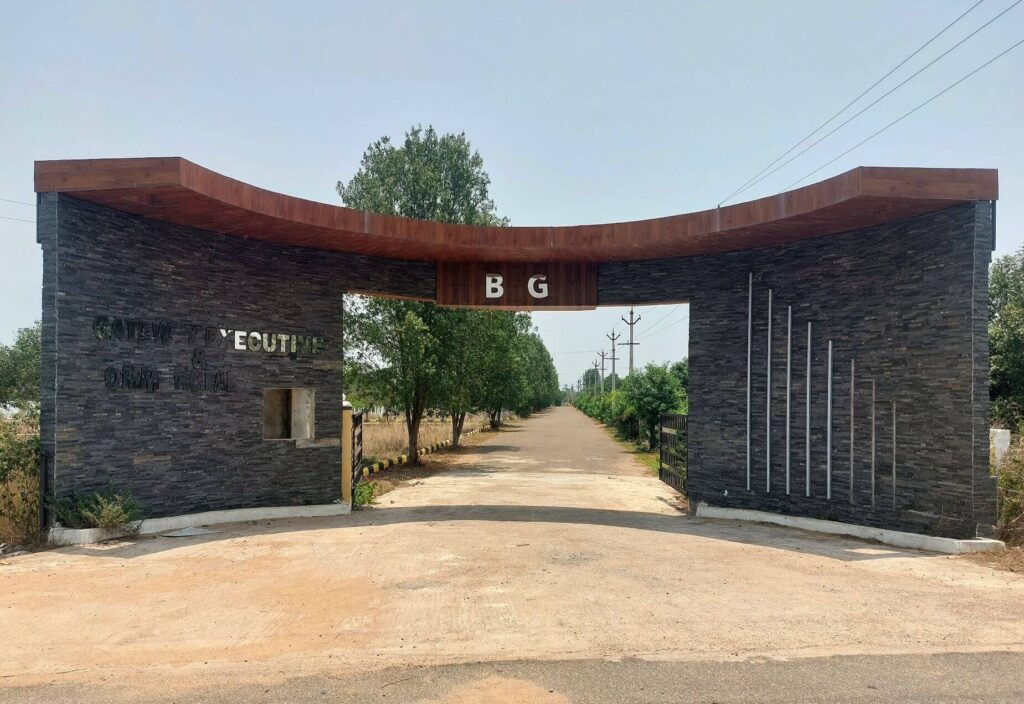
Need Help Finding the Right VMRDA Approved Plot?
If you have questions about LP Numbers or need assistance choosing the right VMRDA-approved plot, Contact VizagPropertys for trusted guidance. We’re here to answer your questions, share complete project details, and help you make a confident property investment.
What is an LP Number?
LP Number stands for Layout Permission Number. It is a unique reference number associated with the approval granted for a land layout by the competent planning authority after reviewing the layout proposal against applicable planning regulations.
In simple terms, an LP Number indicates that a proposed layout has undergone an approval process by the relevant planning authority. It serves as an important reference for identifying the approved layout and the associated permission.
For buyers, an LP Number provides a level of transparency because it connects the project with its approved layout documentation. Instead of relying solely on advertisements or verbal assurances, buyers can ask for the LP Number and review the corresponding approval details as part of their due diligence.
Understanding LP Numbers in Simple Terms
Imagine you are buying a new car. Before it can legally be driven on public roads, it must meet certain regulatory requirements and receive the necessary registration and approvals.
Similarly, when a developer proposes a residential layout, it must go through an approval process. If the proposal satisfies the applicable planning requirements, the competent authority issues a Layout Permission, which is identified by an LP Number.
This number becomes an important reference for the approved layout.
What Does an LP Number Typically Represent?
Although the exact approval process varies depending on the authority and applicable regulations, an LP Number generally relates to an approved layout and may be associated with information such as:
- Name of the approved project or layout.
- Location of the land.
- Developer or applicant.
- Planning authority responsible for the approval.
- Approval reference details.
- Approved layout plan.
The LP Number itself does not automatically confirm every aspect of a property’s legal status. Buyers should treat it as one important component of a broader verification process.
Why Was the LP Number System Introduced?
The Layout Permission system helps promote planned development and provides a structured process for approving layouts.
Some of its key objectives include:
- Encouraging planned urban growth.
- Promoting orderly infrastructure development.
- Helping planning authorities maintain development standards.
- Providing a reference for approved layouts.
- Improving transparency for buyers and stakeholders.
By assigning a unique reference number to an approved layout, planning authorities can distinguish approved developments from those that may not have received the necessary permissions.
Why Should Every Plot Buyer Understand LP Numbers?
Whether you are purchasing your first plot or making your tenth investment, understanding LP Numbers can help you ask better questions before making a decision.
Instead of simply asking:
“Is this plot approved?”
You can also ask:
- What is the project’s LP Number?
- Which authority issued it?
- Can I review the approval documents?
- Does the LP Number correspond to this layout?
- Are the details consistent across the brochure, layout plan, and approval documents?
These questions encourage transparency and demonstrate a more informed approach to property buying.
LP Number: A Key Part of Responsible Property Verification
Many experienced buyers follow a simple principle:
Verify first. Invest later.
An LP Number should be viewed as one of several important checks in your due diligence process, alongside reviewing ownership records, title documents, encumbrance details, applicable approvals, and other relevant property documents.
Taking the time to understand these aspects before investing can help reduce uncertainty and support more confident decision-making.
Quick Summary
| Question | Answer |
|---|---|
| Full Form | Layout Permission Number |
| Purpose | Reference number associated with an approved land layout |
| Why it Matters | Helps buyers identify and review layout approval details |
| Issued By | Competent planning authority (such as VMRDA, where applicable) |
| Should Buyers Verify It? | Yes, as part of their overall property due diligence |
| Is It the Only Document to Check? | No. Buyers should also verify title, ownership, and other relevant documents |
Key Takeaways
- An LP Number stands for Layout Permission Number.
- It is linked to the approval of a land layout by the competent planning authority.
- Understanding LP Numbers helps buyers make more informed property decisions.
- Buyers should request and review the LP Number as part of a broader verification process.
- An LP Number is important, but it should always be considered alongside other legal and property documents.
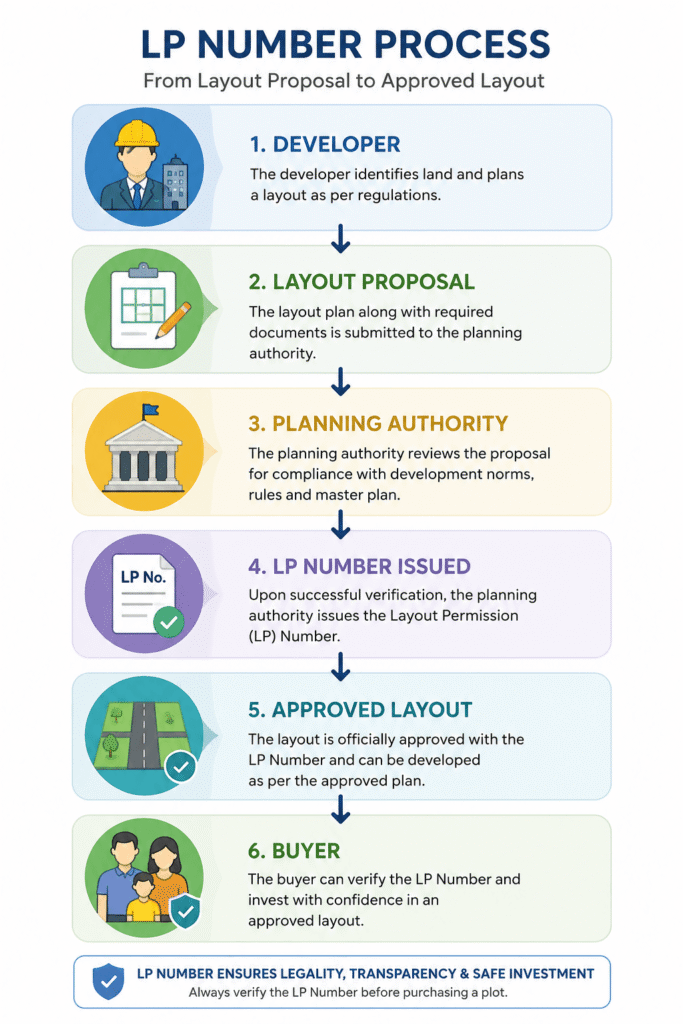
Who Issues LP Numbers?
Understanding who issues an LP Number is just as important as knowing what it means. Many buyers assume that a developer creates the LP Number or that it is simply a project reference. In reality, an LP Number is associated with the layout approval process carried out by the competent planning authority.
For buyers looking at VMRDA Approved Plots in Vizag, understanding the role of the planning authority helps build confidence and encourages proper due diligence before investing.
What is a Planning Authority?
A planning authority is a government body responsible for guiding and regulating planned urban development within its jurisdiction.
Its responsibilities typically include reviewing proposed layouts against applicable planning regulations and, where requirements are met, granting the necessary layout permissions.
The objective is to encourage organized development with appropriate planning standards for roads, open spaces, infrastructure, and land use.
The Role of VMRDA
For many layouts in and around Visakhapatnam, the relevant planning authority is the Visakhapatnam Metropolitan Region Development Authority (VMRDA).
VMRDA oversees planning and development across the Visakhapatnam Metropolitan Region, which includes several rapidly developing areas such as:
- Bhogapuram
- Anandapuram
- Bheemili
- Kothavalasa
- Atchutapuram
- Parts of Vizianagaram District
- Other notified areas within its jurisdiction
As part of its planning responsibilities, VMRDA reviews eligible layout proposals submitted by developers in accordance with the applicable planning regulations.
When the proposal satisfies the required planning conditions, the authority may grant layout permission, which is associated with an LP Number.
Note: The planning authority responsible for a layout depends on the project’s location and the applicable jurisdiction at the time of approval.
Does Every Plot in Vizag Have a VMRDA LP Number?
No.
Not every plot marketed in or around Visakhapatnam falls under VMRDA’s jurisdiction or necessarily has a VMRDA-issued layout permission.
Depending on the location and applicable regulations, different authorities may be responsible for layout approvals.
This is why buyers should always ask:
- Which authority approved this layout?
- What is the LP Number?
- Can I review the approval documents?
Understanding the approving authority helps buyers verify that they are reviewing the correct approval information for the project.
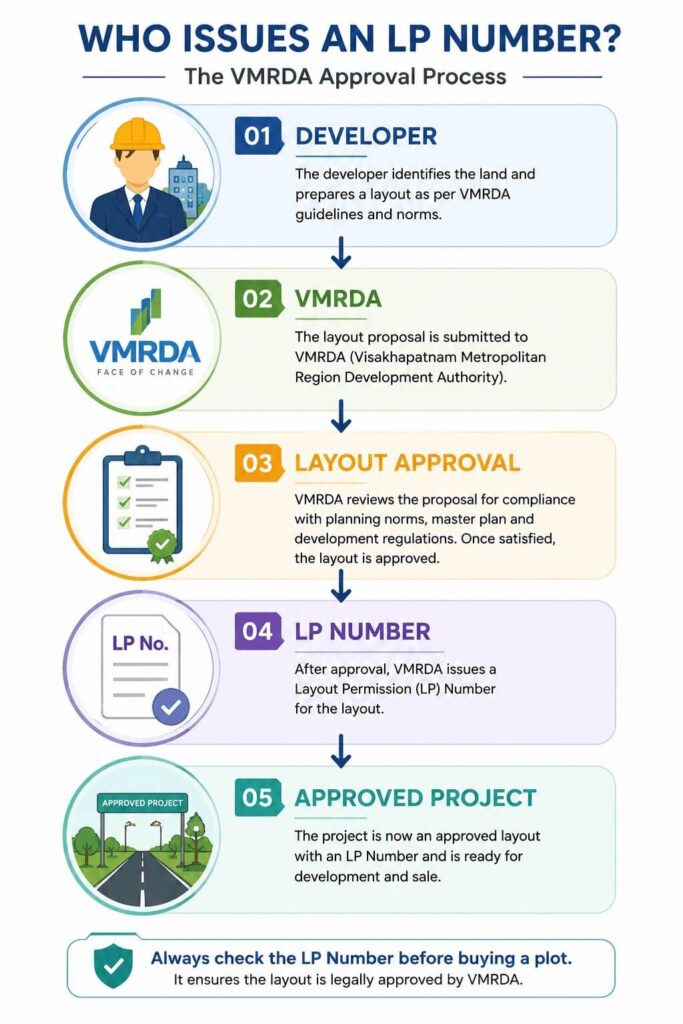
How Does a Layout Receive an LP Number?
While the exact process may vary depending on the authority and current regulations, the approval process generally follows these stages:
Step 1 – Land is Identified
A developer identifies land intended for a residential or commercial layout.
Step 2 – Layout Proposal is Prepared
A detailed layout plan is prepared, showing elements such as:
- Internal roads
- Plot divisions
- Open spaces
- Parks
- Utility areas
- Access roads
- Other planning details required by the authority
Step 3 – Application is Submitted
The developer submits the required application and supporting documents to the competent planning authority for review.
Step 4 – Technical Review
The authority examines the proposal to determine whether it complies with the applicable planning requirements and regulations.
This review may include evaluating aspects such as:
- Road network
- Land use
- Public open spaces
- Infrastructure planning
- Layout design
- Compliance with planning norms
Step 5 – Layout Permission
If the proposal satisfies the applicable requirements, the planning authority may grant layout permission.
The approved layout is then associated with an LP Number, which serves as an important reference for that approval.
Why Don't Authorities Issue LP Numbers Instantly?
Layout approval is intended to be a structured review process rather than an automatic administrative step.
Authorities generally evaluate multiple planning aspects before granting approval, helping ensure that proposed developments align with applicable planning standards.
This process supports more organized urban development and provides buyers with greater confidence that the layout has undergone official review.
Can an LP Number Be Used to Verify a Project?
Yes—but it should be viewed as one part of the overall verification process, not the only step.
A buyer should use the LP Number together with other important documents and information, including:
- Approved layout plan
- Title documents
- Ownership records
- Sale agreement
- Survey details
- Encumbrance Certificate (where applicable)
- Other relevant approvals
Combining these checks provides a more complete understanding of the property.
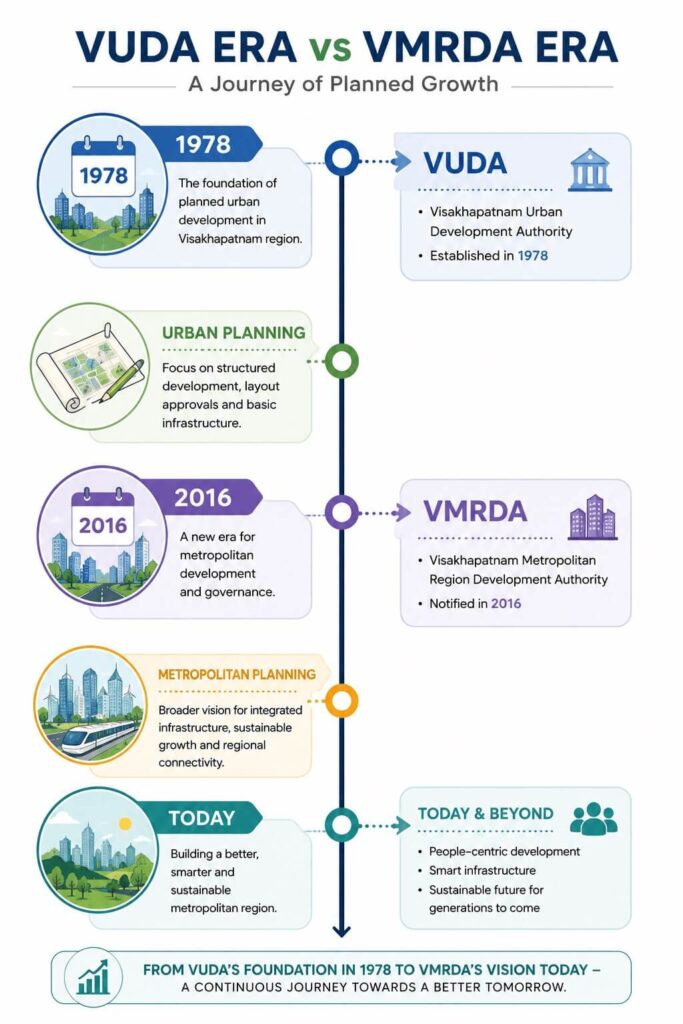
VUDA Era vs VMRDA Era: Understanding LP Numbers
Many buyers notice that some projects mention VUDA Approved Layouts, while newer projects refer to VMRDA Approved Layouts. This often leads to the question:
“Are VUDA LP Numbers different from VMRDA LP Numbers?”
The answer is yes and no.
The concept of the LP Number has remained the same—it continues to serve as the reference for an approved layout. However, the planning authority and the approval administration have evolved over time.
LP Numbers During the VUDA Era
Before the formation of the Visakhapatnam Metropolitan Region Development Authority (VMRDA), layout approvals in the region were issued by the Visakhapatnam Urban Development Authority (VUDA).
Projects approved during this period commonly displayed LP Numbers in formats such as:
- LP No. 23/2011
- LP No. 107/2016
- LP No. 05/2018
These LP Numbers identified the approved layout and were referenced in approval proceedings and layout plans. Official VUDA proceedings show approvals issued in formats such as L.P. 05/2018, while many approved layouts from that period use formats like LP No. 107/2016.
Transition from VUDA to VMRDA
As the Visakhapatnam region expanded beyond the urban limits, the planning authority evolved from VUDA to VMRDA to manage a larger metropolitan region.
The transition mainly affected:
- Administrative jurisdiction
- Planning responsibilities
- Online approval systems
- Digital record management
The purpose of LP Numbers, however, continued to be the same: they identify approved layouts.
LP Numbers in the VMRDA Era
Today’s layout approvals continue to use LP Numbers, but the approval process is now integrated with digital systems such as the Development Permission Management System (DPMS).
As a result, approval documents may contain both:
- An LP Number
- A more detailed digital file reference
For example, approval records may include a file reference similar to:
1167/0001/LP/VMRDA/DPMS/2022
alongside the project’s LP Number. This expanded file reference helps identify the application within the digital processing system and should not be confused with the LP Number itself
VUDA vs VMRDA LP Numbers – Quick Comparison
| Feature | VUDA Era | VMRDA Era |
|---|---|---|
| Planning Authority | Visakhapatnam Urban Development Authority (VUDA) | Visakhapatnam Metropolitan Region Development Authority (VMRDA) |
| Purpose of LP Number | Reference for an approved layout | Reference for an approved layout |
| Typical LP Format | LP No. 23/2011, LP No. 107/2016 | LP Number continues; approval files may also include DPMS-based file references |
| Approval Process | Predominantly paper-based with manual records | Increasingly digital through DPMS and online processing |
| Approval Records | Layout plans and proceedings | Layout plans, proceedings, and digital application records |
What Should Buyers Focus On?
Whether a project was approved during the VUDA era or the VMRDA era, buyers should concentrate on the same fundamental questions:
- Is the layout genuinely approved?
- Can the developer provide the approval documents?
- Does the LP Number correspond to the approved layout?
- Do the project name, location, and layout plan match the approval documents?
- Are all other property documents consistent?
From a buyer’s perspective, the authenticity and consistency of the approval documents are far more important than whether the approval was issued under VUDA or VMRDA.
Expert Tip
Many genuine projects in Visakhapatnam, Bhogapuram, Anandapuram, and surrounding areas still display VUDA LP Numbers because they were approved before the transition to VMRDA. This does not automatically make them outdated or invalid. The key is to verify that the approval documents relate to the project being offered and to complete your overall due diligence before investing.
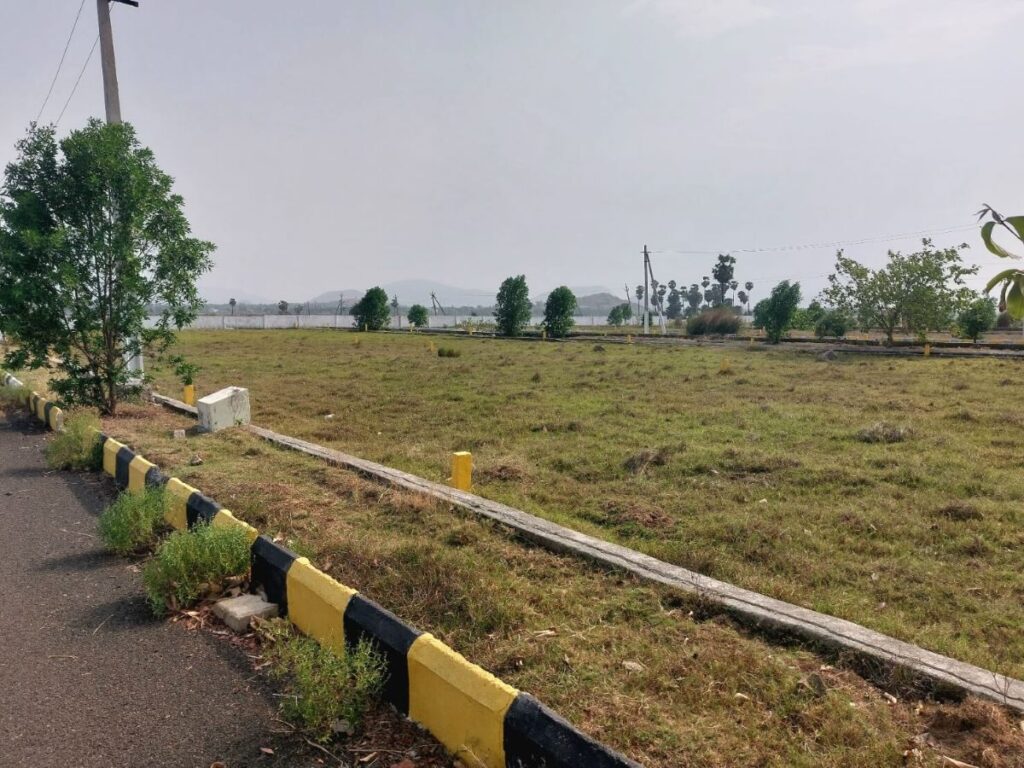
Why is an LP Number Important?
An LP Number is more than a technical reference—it plays an important role in helping buyers understand the approval status of a layout and encouraging informed decision-making.
This is particularly important when evaluating properties in rapidly developing investment corridors, such as Plots Near Bhogapuram Airport, where verifying the LP Number and layout approvals before making an investment decision can help buyers make a more informed choice.
Let’s explore why it matters.
1. It Promotes Transparency
One of the biggest advantages of an LP Number is that it provides a reference for the approved layout.
Instead of relying only on advertisements or verbal assurances, buyers can ask for the LP Number and request the associated approval documents.
This encourages greater transparency during the property-buying process.
2. It Supports Better Due Diligence
Responsible property buyers rarely make decisions based solely on price or location.
They also review important documentation.
Checking the LP Number alongside other property documents helps buyers:
- Ask informed questions.
- Compare project information.
- Review approval details.
- Better understand the layout they are considering.
3. It Can Improve Buyer Confidence
Purchasing land is often one of the largest financial decisions a family makes.
Knowing that a layout has been through an official approval process can increase buyer confidence when evaluating a project.
However, buyers should remember that an LP Number is only one part of the overall due diligence process.
4. It May Be Relevant During Loan Evaluation
Financial institutions have their own lending policies and documentation requirements.
For certain projects, approval-related documents—including layout approval information—may form part of the documentation considered during the loan evaluation process.
Loan approval ultimately depends on the lender’s independent assessment and applicable policies.
5. It Can Support Future Resale
Future buyers often ask many of the same questions you ask today.
Providing approval-related documentation, including the LP Number where applicable, can help prospective buyers understand the project’s approval history.
Transparency can contribute to smoother discussions during resale.
6. It Encourages Planned Development
Approved layouts are generally designed in accordance with applicable planning standards.
These plans often include provisions for features such as:
- Internal roads
- Open spaces
- Parks
- Drainage planning
- Utility corridors
- Community infrastructure
The exact features depend on the approved layout and the applicable planning requirements.
7. It Helps Buyers Compare Projects More Effectively
Imagine two developers are offering plots in the same area.
| Project A | Project B |
|---|---|
| Provides LP Number | Does not provide approval details |
| Shares approved layout | Shares only marketing brochure |
| Explains approval process | Gives verbal assurances only |
8. It Reduces the Risk of Misunderstandings
Many property disputes arise because buyers rely solely on verbal commitments.
Asking for documented approval information—including the LP Number where applicable—helps buyers verify important details before proceeding.
Good documentation supports better-informed decisions.
9. It Reflects Responsible Buying Practices
Experienced property buyers typically follow a structured verification process.
Rather than focusing only on:
- Price
- Discount
- Future appreciation
- Location
they also review:
- Layout approval
- Title documents
- Ownership records
- Applicable permissions
- Supporting documentation
This balanced approach can help reduce uncertainty.
Practical Example
Imagine two residential layouts near Bhogapuram.
Both advertise similar prices and amenities.
Developer A readily provides:
- LP Number
- Approved layout plan
- Supporting approval documents
Developer B says:
“Everything is approved. You don’t need to worry.”
Most buyers would prefer to review documented information rather than rely solely on verbal assurances.
This example illustrates why requesting the LP Number and related documents is a sensible step during due diligence.
Quick Benefits of Understanding LP Numbers
| Benefit | Why It Matters |
|---|---|
| Better Transparency | Helps buyers review approval information. |
| Improved Due Diligence | Encourages document-based verification. |
| Greater Buyer Confidence | Supports informed decision-making. |
| Useful During Property Evaluation | Can form part of the overall documentation reviewed. |
| Easier Comparison | Helps compare different layouts more effectively. |
| Better Prepared for Resale | Future buyers often ask about approvals. |
| Supports Planned Development Awareness | Helps buyers understand approved layouts. |
Key Takeaways
- LP Numbers are associated with layout approvals issued by the competent planning authority.
- In many parts of the Visakhapatnam Metropolitan Region, VMRDA is the relevant planning authority for eligible layouts.
- Buyers should always ask for the LP Number and review the supporting approval documents.
- An LP Number should be considered alongside title, ownership, survey, and other legal documents as part of comprehensive due diligence.
- Transparency and documentation are essential for making informed property decisions.
How is an LP Number Different from a Survey Number?
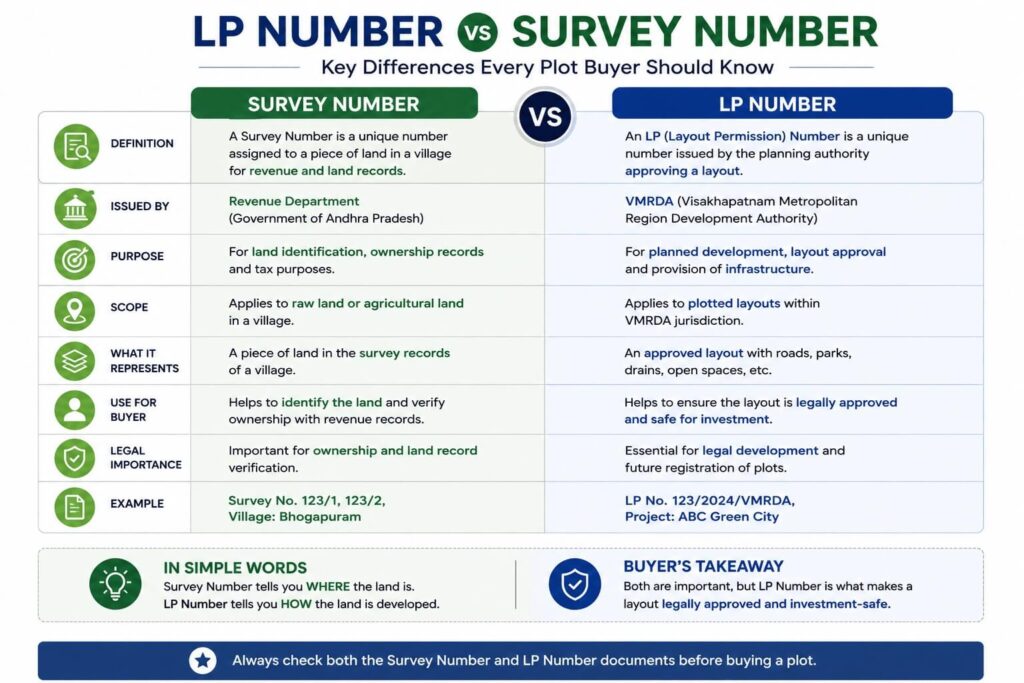
One of the most common misconceptions among first-time property buyers is that an LP Number and a Survey Number are the same thing. Although both are associated with land, they serve entirely different purposes and are issued or maintained in different contexts.
Understanding this distinction is essential when evaluating VMRDA Approved Plots in Vizag, plots in Bhogapuram, Anandapuram, Bheemili, Kothavalasa, Atchutapuram, Vizianagaram, and other developing locations.
Simply put:
- A Survey Number helps identify a specific parcel of land in government land records.
- An LP Number is associated with the approval of a land layout by the competent planning authority.
Both are important, but they answer different questions.
- Survey Number: Which land is this?
- LP Number: Has this layout received planning approval, and what is the approval reference?
As a buyer, you should understand both rather than relying on only one.
What is a Survey Number?
A Survey Number is a unique identification number assigned to a parcel of land during the land survey process. It is used in land administration to distinguish one piece of land from another within a village or revenue area.
Survey Numbers help identify land records and are commonly referenced in documents relating to ownership, boundaries, and property transactions.
For example, a layout may be developed across multiple Survey Numbers. Even after layout approval, those underlying Survey Numbers continue to identify the original land parcels.
What is an LP Number?
An LP Number (Layout Permission Number) is a reference associated with the approval granted for a layout by the competent planning authority.
Unlike a Survey Number, which identifies land, an LP Number relates to the approved layout proposal.
This distinction is important because the same layout may include multiple Survey Numbers but have a single layout approval reference.
LP Number vs Survey Number – Comparison Table
| Feature | LP Number | Survey Number |
|---|---|---|
| Full Form | Layout Permission Number | Survey Number |
| Primary Purpose | References an approved layout permission | Identifies a specific parcel of land |
| Associated With | Layout approval | Land identification |
| Issued / Maintained By | Competent planning authority as part of the layout approval process | Land revenue administration / land records system |
| Helps Buyers Understand | The approval reference for a layout | Which land parcel is involved |
| Appears On | Layout approval documents, approved layout plans, brochures (where provided), developer documentation | Sale deeds, land records, revenue documents, Encumbrance Certificates, and related records |
| Can One Layout Have Multiple Survey Numbers? | Yes. A single approved layout may cover multiple Survey Numbers. | Yes. Multiple Survey Numbers may form part of one layout. |
| Should Buyers Verify It? | Yes | Yes |
| Is It Sufficient on Its Own? | No | No |
Important: Buyers should verify both the LP Number (where applicable) and the relevant Survey Numbers as part of their overall due diligence.
Why Do Buyers Confuse These Two Terms?
The confusion usually happens because developers and marketing materials may mention both terms together.
For example:
- Survey No. 145/2
- Survey No. 146/1
- LP No. XX/20XX
Without understanding the difference, buyers may assume they refer to the same thing.
In reality:
- The Survey Numbers identify the land.
- The LP Number identifies the layout approval.
Knowing this difference helps you ask more informed questions when reviewing project documents.
Practical Example
Imagine a residential project near Bhogapuram.
The developer explains:
- Survey Nos. 112, 113, 114
- LP No. XX/20XX
This means:
- The project is situated across Survey Numbers 112, 113, and 114.
- The approved layout is associated with the stated LP Number.
These references complement each other rather than replace one another.
Why Should Buyers Review Both?
Suppose you are comparing two projects.
Project A
- Provides Survey Numbers
- Provides LP Number
- Shares the approved layout plan
- Explains the approval details
- Provides only a location map
- Does not provide Survey Numbers
- Does not mention any layout approval details
Most informed buyers would naturally seek more information before proceeding with Project B.
Requesting both the Survey Numbers and the LP Number encourages greater transparency and helps buyers perform more thorough due diligence.
Common Misconceptions
Myth 1: Survey Number and LP Number are the same.
Reality: They serve different purposes. A Survey Number identifies land, while an LP Number is associated with the layout approval.
Myth 2: If I know the Survey Number, I don’t need the LP Number.
Reality: Both pieces of information can be valuable during the verification process.
Myth 3: An LP Number replaces the Survey Number
Reality: No. They complement each other and are used for different purposes.
Myth 4: Every brochure clearly explains the difference.
Reality: Marketing materials often assume buyers already understand these terms, which is why learning the distinction is important.
What Information Does an LP Number Reveal?
An LP Number is not just a sequence of letters and numbers. It serves as a reference that can help buyers identify the approved layout and review the associated approval documentation.
While the exact information available depends on the authority and the records provided, an LP Number is commonly associated with details such as:
- Approved layout
- Project location
- Applicant or developer
- Planning authority
- Approval reference
- Approved layout plan
Understanding these details can help buyers make more informed decisions.
1. The Approved Layout
One of the primary purposes of an LP Number is to identify the approved layout.
Reviewing the approved layout helps buyers understand how the project has been planned, including aspects such as:
- Internal road network
- Plot arrangement
- Open spaces
- Parks (where applicable)
- Community areas (if included)
- Other planning features shown in the approved layout
2. Project Location
The LP Number is associated with a specific approved layout in a particular location.
For example, a project may be situated in:
- Bhogapuram
- Anandapuram
- Bheemili
- Atchutapuram
- Kothavalasa
- Vizianagaram
Confirming that the approval relates to the same project and location being marketed is an important part of due diligence.
3. Developer or Applicant
Approval records may identify the applicant or developer associated with the layout approval.
Buyers can compare this information with the details provided by the developer or marketing material to help ensure consistency.
4. Planning Authority
The approval documentation identifies the planning authority responsible for granting the layout permission.
Understanding which authority issued the approval helps buyers verify that they are reviewing the correct documents for the project.
5. Approval Reference
The LP Number acts as a reference that connects the layout to its approval records.
Instead of relying solely on verbal claims, buyers can request the relevant approval documents linked to the LP Number and review them as part of their due diligence.
6. Approved Layout Plan
The approved layout plan provides a visual representation of the project and may include features such as:
- Road layout
- Plot dimensions
- Open spaces
- Utility areas
- Access roads
- Other planning elements included in the approved design
Reviewing the approved layout plan alongside the LP Number gives buyers a clearer understanding of how the project has been planned.
Real-Life Example
Imagine you are considering two projects in Anandapuram.
Project A
The developer provides:
- LP Number
- Approved layout plan
- Survey Numbers
- Approval-related documents
The developer says:
“The approval documents are not available right now. You can trust us.”
As a careful buyer, you would likely feel more confident evaluating Project A because it provides documentation that can be reviewed.
This example illustrates why requesting approval-related information is an important step before making a property investment.
Key Takeaways
- A Survey Number identifies a parcel of land, while an LP Number is associated with the approval of a layout.
- One approved layout may include multiple Survey Numbers.
- Buyers should review both the LP Number and the relevant Survey Numbers during their due diligence.
- An LP Number can help buyers identify the approved layout and review the associated approval documentation.
- Understanding these terms reduces confusion and supports more informed property decisions.
How to Find an LP Number
Once you understand what an LP Number is and why it matters, the next step is knowing where to find it.
Many first-time buyers assume the LP Number will always be prominently displayed in advertisements or project brochures. In reality, that is not always the case. Some developers highlight it clearly, while others may only provide it when requested.
As a responsible buyer, you should never hesitate to ask for the LP Number before making any financial commitment.
The example below shows a typical approved layout plan where the LP Number is clearly displayed. Knowing where to look can help buyers quickly identify the approval details before proceeding with further verification.
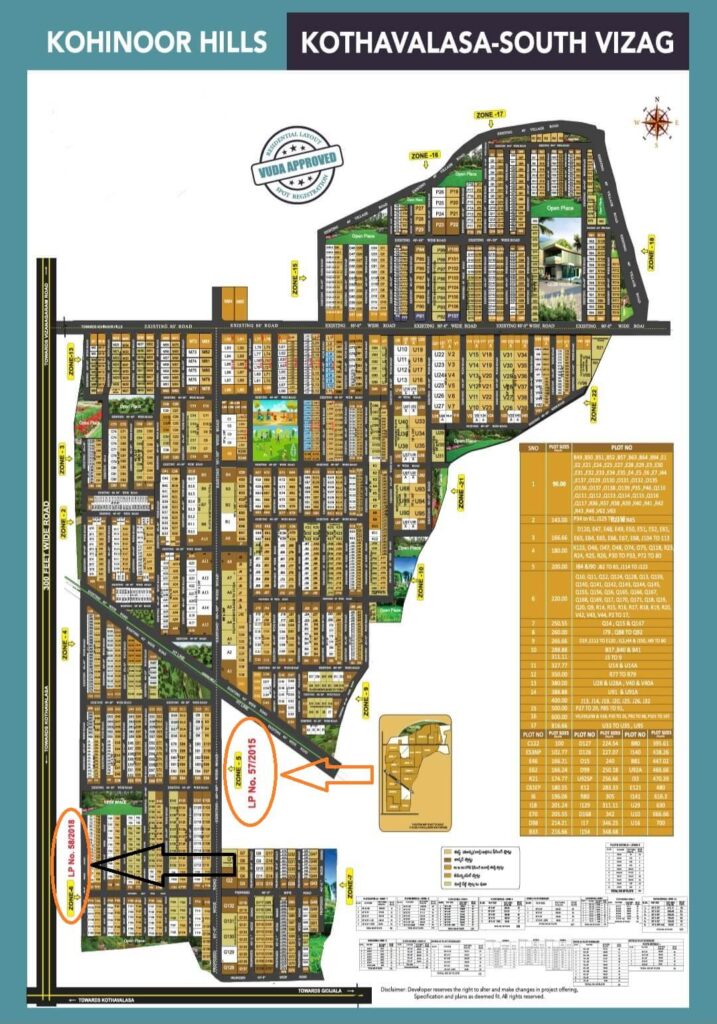
Layout Plan with the LP Number highlighted for easy identification.
Where Can You Find an LP Number?
Depending on the project and the documents available, the LP Number may appear in one or more of the following places.
1. Approved Layout Plan
The approved layout plan is one of the most reliable places to look.
It often contains important approval details, including the Layout Permission reference associated with the project.
When reviewing the layout plan, check for:
- LP Number
- Name of the approving authority
- Project name
- Village and location
- Date of approval (where mentioned)
Always ensure the layout plan relates to the project you are considering.
2. Project Brochure
Many reputed developers include the LP Number in their brochures to promote transparency.
However, brochures are marketing materials and should not be treated as the only source of verification.
Instead, use the brochure as a starting point and request supporting approval documents if needed.
3. Official Approval Copy
A developer may provide a copy of the layout approval or related approval documents.
When reviewing these documents, check whether:
- The project name matches.
- The location matches.
- The approval reference is clearly shown.
- The documents appear complete.
4. Sale Agreement or Supporting Documents
During the purchase process, certain approval-related details may also be included in the documentation shared with buyers.
Review these carefully and compare them with the information already provided.
5. Marketing Material
Some developers display the LP Number on:
- Project websites
- Digital advertisements
- Hoardings
- Newspaper advertisements
- Social media posts
While this is useful, always compare the information with the supporting documents.
6. Ask the Developer Directly
One of the simplest approaches is to ask:
- What is the LP Number for this project?
- Which authority granted the approval?
- Can you share the approved layout plan?
- Can I review the approval documents?
A professional developer should generally be able to explain the project’s approval details and provide the relevant documentation.
Information You Should Compare
Finding the LP Number is only the first step.
Next, compare the information across all available documents.
Check whether the following details are consistent:
| Item | Verify |
|---|---|
| Project Name | Matches across documents |
| Location | Same village and area |
| Layout Plan | Matches the marketed project |
| LP Number | Consistent wherever mentioned |
| Planning Authority | Clearly identified |
| Developer Name | Consistent across documents |
Consistency helps reduce confusion and encourages informed decision-making.
How to Verify a VMRDA LP Number
Finding an LP Number is different from verifying it.
Verification means reviewing the approval information and ensuring the project documentation is consistent.
The exact verification process may vary depending on the planning authority, the records available, and current procedures.
For this reason, buyers should always rely on official sources and authentic documentation rather than depending only on marketing claims.
Step 1 – Request the LP Number
Before anything else, ask the developer for the LP Number.
If the developer is unable or unwilling to provide it, politely ask why.
Transparency is an important part of any property transaction.
Step 2 – Request the Approved Layout Plan
Ask for a copy of the approved layout plan associated with the LP Number.
Review whether the layout being marketed matches the layout shown in the approval documents.
Step 3 – Review the Approval Information
Check details such as:
- Project name
- Village
- Location
- Developer or applicant
- Planning authority
- Approval reference
Everything should appear consistent.
Step 4 – Compare with Other Documents
Compare the LP Number and approval details with:
- Brochure
- Layout plan
- Sale documents
- Project information
- Survey details (where applicable)
If there are differences, ask for clarification before proceeding.
Step 5 – Verify Through Official Sources Where Available
Where official verification facilities or approval records are available from the relevant planning authority, buyers should use those resources to review the approval information.
If online verification is not available for a particular project or approval, buyers may contact the relevant authority or seek guidance from qualified professionals.
Important: Verification methods and online services may change over time. Always refer to the latest official procedures published by the relevant planning authority.
Step 6 – Seek Professional Advice When Needed
If you are unsure about any approval document or notice inconsistencies, consider consulting:
- A qualified property lawyer
- A licensed survey professional
- The relevant planning authority
- Other appropriate professionals involved in the transaction
Professional advice can be valuable before making a significant investment.
Practical Verification Example
Imagine you are comparing two projects near Bhogapuram.
Project A
The developer provides:
- LP Number
- Approved layout plan
- Approval documents
- Survey details
The information is consistent across all documents.
Project B
The developer says:
- “We’ll share the documents later.”
- “The approval copy is not available.”
- “Don’t worry, everything is approved.”
As a careful buyer, you would normally request the approval documents before making a booking decision.
This simple habit encourages transparency and helps you make better-informed choices.
Verifying the LP Number confirms the layout approval, but it should not be the only document you rely on. Buyers should also review the Encumbrance Certificate (EC), title documents, and other relevant property records before proceeding with the purchase.
Red Flags to Watch For
During your verification process, pay attention to warning signs.
These do not automatically mean there is a problem, but they are reasons to ask additional questions.
Red Flag 1
The LP Number is not provided despite repeated requests.
Red Flag 2
Different brochures show different approval information.
Red Flag 3
The layout being marketed appears different from the approved layout plan.
Red Flag 4
Important approval documents are unavailable without explanation.
Red Flag 5
Project details are inconsistent across different documents.
Red Flag 6
Only verbal assurances are provided without supporting documentation.
LP Number Verification Checklist
Use this checklist before making your purchase.
| ✓ | Verification Item |
|---|---|
| ☐ | Asked for the LP Number |
| ☐ | Reviewed the approved layout plan |
| ☐ | Compared project name across documents |
| ☐ | Verified the project location |
| ☐ | Confirmed the planning authority |
| ☐ | Compared the LP Number wherever it appears |
| ☐ | Reviewed available approval documents |
| ☐ | Compared survey details where applicable |
| ☐ | Asked questions about any inconsistencies |
| ☐ | Sought professional advice if necessary |
You may even print this checklist or save it on your mobile before visiting a project site.
Common Mistakes During LP Number Verification
Many buyers unintentionally skip important verification steps.
Some of the most common mistakes include:
- Assuming every advertised project has the same approval status.
- Looking only at the brochure without reviewing supporting documents.
- Not comparing information across different documents.
- Relying entirely on verbal assurances.
- Feeling uncomfortable asking questions about approvals.
- Making a booking decision before completing basic due diligence.
A few extra minutes spent reviewing documentation can help you make a more informed property decision.
Quick Summary
Successful LP Number verification is not about finding a single number—it is about understanding the complete approval information associated with a project.
A well-informed buyer should:
- Ask for the LP Number.
- Review the approved layout plan.
- Compare all available documents.
- Use official resources where available.
- Seek clarification whenever information is unclear.
- Consider professional advice for important legal or technical questions.
These simple steps can make the property-buying process more transparent and help you evaluate projects with greater confidence.
Once the plot documents and LP Number have been verified, buyers should also understand the applicable plot registration charges and registration process before completing the purchase. For a detailed guide, see our Plot Registration Charges in Andhra Pradesh (2026–2027)

How to Read and Understand an LP Number
Finding an LP Number is only the first step. The next step is understanding how to interpret the information associated with it.
Many buyers assume that the number itself contains all the important details about a project. In reality, the LP Number acts as a reference to the layout approval. The supporting approval documents provide the broader context that buyers should review.
Instead of focusing only on the number, ask questions such as:
- Which project does this LP Number relate to?
- Which planning authority granted the approval?
- Does the project name match the marketing material?
- Does the location match the approved layout?
- Is the layout plan consistent with what is being sold?
Looking at the complete approval information provides a much better understanding than examining the number alone.
How to Interpret the Approval Information
When reviewing approval-related documents, compare the following details:
| Information | What to Check |
|---|---|
| Project Name | Matches the project being marketed |
| Village / Location | Same location across all documents |
| Planning Authority | Clearly identified |
| Approved Layout | Matches the layout shown to buyers |
| Applicant / Developer | Information is consistent |
| Approval Reference | Corresponds to the layout documents |
Practical Example
Suppose you are evaluating a residential layout in Bhogapuram.
The developer shares:
- LP Number
- Approved layout plan
- Project brochure
- Approval-related documents
As a careful buyer, you compare:
- Project name
- Village
- Layout plan
- Planning authority
- Approval reference
Everything matches.
This consistency increases confidence that the documents relate to the same project.
Now imagine another project where the brochure, layout plan, and approval documents contain different project names or locations.
That difference does not automatically mean there is a problem, but it is a reason to ask questions and request clarification before proceeding.
Real Buyer Scenarios
The following examples illustrate how understanding LP Numbers can support better decision-making.
Scenario 1 – First-Time Home Buyer
Ramesh wants to purchase his first residential plot near Bhogapuram International Airport.
Instead of focusing only on the price, he requests:
- LP Number
- Approved layout plan
- Survey details
After comparing the documents, he feels more informed about the project and proceeds with greater confidence.
Scenario 2 – NRI Investor
Priya lives overseas and cannot visit every project personally.
Before making a decision, she asks the developer to share:
- LP Number
- Layout approval documents
- Project layout plan
Reviewing these documents remotely helps her better understand the project before planning a site visit.
Scenario 3 – Family Looking for Long-Term Investment
A family is comparing two layouts in Anandapuram.
Project A provides complete approval-related documentation.
Project B promises to provide documents only after booking.
The family chooses to continue discussions with Project A because they value transparency during the evaluation process.
Scenario 4 – Comparing Two Similar Projects
Two projects have similar:
- Price
- Plot sizes
- Amenities
- Location
One developer openly shares approval-related documents and explains the layout approval process.
The other provides only promotional material.
Most informed buyers would naturally prefer reviewing the project with clearer documentation before making a financial commitment.
Common Myths About LP Numbers
There are several misconceptions surrounding LP Numbers. Understanding the facts helps buyers make more informed decisions.
Myth 1: An LP Number and a Survey Number are the same.
Fact: They serve different purposes. A Survey Number identifies land, while an LP Number is associated with the layout approval.
Myth 2: If a brochure mentions an LP Number, no further verification is required.
Fact: Buyers should review supporting approval documents and compare the information across available records.
Myth 3: Only large developers have LP Numbers.
Fact: The availability of a Layout Permission depends on the project and the applicable approval process, not simply the size of the developer.
Myth 4: Price is more important than approvals.
Fact: Price is one factor, but approvals and documentation are also important considerations when evaluating a property.
Myth 5: Asking about approvals means you don’t trust the developer.
Fact: Responsible buyers ask questions. Reputable developers generally understand that buyers want to review documentation before making a significant investment.
Questions Every Buyer Should Ask
Before booking a plot, consider asking:
- What is the LP Number for this project?
- Which authority granted the approval?
- Can I review the approved layout plan?
- Are the project details consistent across all documents?
- Can I see the supporting approval documentation?
- Are there any updates or modifications to the approved layout?
These questions encourage transparency and help buyers make informed decisions.
Key Takeaways
- Focus on understanding the approval information associated with the LP Number rather than trying to decode the number itself.
- Compare project details across brochures, layout plans, and approval documents.
- Request clarification whenever information appears inconsistent.
- Practical examples show that transparency and documentation are valuable during the property-buying process.
- Displaying LP Numbers alongside project pages can improve buyer confidence while strengthening your website’s internal linking structure.
Buyer's Due Diligence Toolkit
Purchasing a plot is one of the most significant financial decisions many people make. Whether you are buying your first residential plot, investing for future appreciation, or planning to build your dream home, taking a structured approach to due diligence can help you make more informed decisions.
Understanding the role of an LP Number is an important part of this process—but it should always be considered alongside other property documents and verification steps.
This toolkit highlights common mistakes, practical recommendations, and a printable checklist that you can use while evaluating any VMRDA-approved plot project.
Common Mistakes Buyers Make
Many property-related issues can be avoided by asking the right questions before making a booking decision.
Here are some of the most common mistakes buyers make—and how you can avoid them.
1. Focusing Only on Price
Everyone wants the best value for their investment.
However, selecting a project based only on a lower price without reviewing approval-related documents may lead to unnecessary risks.
Instead, compare:
- Project approvals
- Location
- Infrastructure
- Developer information
- Documentation
- Long-term suitability
Price should be one factor—not the only factor.
2. Not Asking for the LP Number
Some buyers assume that if a project is advertised as approved, there is no need to request the LP Number.
A better approach is to politely ask:
- What is the LP Number?
- Which authority granted the approval?
- Can I review the approved layout plan?
These questions encourage transparency and help you understand the project more clearly.
3. Confusing LP Number with Survey Number
As explained earlier in this guide, these serve different purposes.
A Survey Number identifies land.
An LP Number is associated with the approved layout.
Understanding this distinction helps buyers ask more informed questions.
4. Relying Only on Verbal Assurances
Statements such as:
“Everything is approved.”
or,
“Don’t worry, all documents are available.”
should be supported by documentation.
Requesting approval-related documents is a normal part of responsible property buying.
5. Ignoring Supporting Documents
An LP Number should not be viewed in isolation.
Also review documents such as:
- Approved layout plan
- Title documents
- Ownership records
- Sale agreement
- Survey details
- Encumbrance Certificate (where applicable)
- Other relevant approvals
Looking at the complete picture leads to better-informed decisions.
6. Not Comparing Documents
Sometimes buyers review only one document.
Instead, compare:
- Brochure
- Layout plan
- Project website
- Approval documents
- Sale documents
Consistency across these documents is an encouraging sign.
7. Feeling Hesitant to Ask Questions
Some buyers worry that asking too many questions might offend the developer.
In reality, reputable developers generally expect buyers to ask about:
- Approvals
- Infrastructure
- Documentation
- Project specifications
A transparent discussion benefits both parties.
Printable Buyer Verification Checklist
Before booking a plot, use the following checklist.
You can even save a screenshot on your phone or print this page before visiting a project site.
| ✓ | Verification Item |
|---|---|
| ☐ | Asked for the LP Number |
| ☐ | Reviewed the approved layout plan |
| ☐ | Verified the project location |
| ☐ | Confirmed the planning authority |
| ☐ | Compared the LP Number across available documents |
| ☐ | Reviewed Survey Numbers where applicable |
| ☐ | Examined supporting approval documents |
| ☐ | Asked questions about any inconsistencies |
| ☐ | Reviewed title and ownership-related documents |
| ☐ | Checked infrastructure shown in the approved layout |
| ☐ | Understood the plot dimensions |
| ☐ | Clarified any restrictions or conditions |
| ☐ | Considered professional legal advice if required |
Completing this checklist takes only a short time but can help you make a more informed investment decision.
Buyer Do's and Don'ts
The following table summarises good property-buying practices.
| ✔ Do | ✖ Don't |
|---|---|
| Ask for the LP Number | Assume approvals without verification |
| Review the approved layout plan | Depend only on advertisements |
| Compare multiple documents | Rely solely on verbal assurances |
| Verify project information | Ignore inconsistencies |
| Ask questions | Feel pressured into booking immediately |
| Review supporting documents | Skip due diligence because of discounts |
| Seek professional advice when necessary | Assume every project follows the same approval process |
Following these simple practices encourages a more confident and informed buying experience.
Benefits of Buying a Layout with Clearly Documented Approvals
Every buyer wants confidence that they are making a well-informed decision.
When a project provides clear approval-related documentation, it becomes easier to evaluate the information and understand the layout.
Some potential benefits include:
Improved Transparency
Buyers can review approval-related information rather than relying only on promotional material.
Better Understanding of the Project
Approval documents help buyers understand the planned layout, including roads, open spaces, and other planning features.
Easier Comparison Between Projects
When comparing multiple developments, consistent documentation makes it easier to evaluate each project objectively.
More Informed Discussions
Having access to approval-related documents enables buyers to ask relevant questions and clarify any concerns before proceeding.
Greater Confidence During the Buying Process
Knowing that you have reviewed the available documentation can provide additional confidence when making an important financial decision.
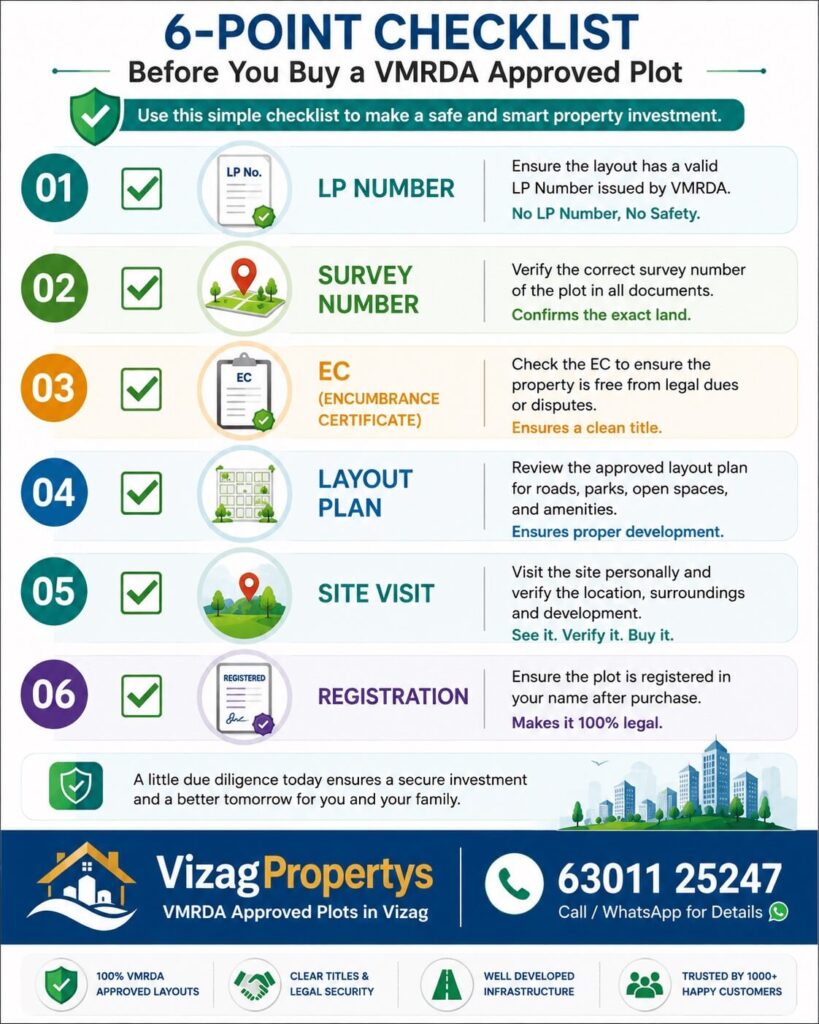
A Practical Approach to Property Verification
Rather than relying on a single document or statement, experienced buyers often follow a simple process:
- Understand the project.
- Request the LP Number.
- Review the approved layout plan.
- Compare supporting documents.
- Clarify any differences.
- Seek professional advice where necessary.
- Make an informed decision.
This structured approach encourages careful evaluation rather than rushed decision-making.
Remember: An LP Number is One Part of Due Diligence
An LP Number is an important reference associated with a layout approval, but it should not be considered the only factor when purchasing a plot.
Responsible buyers typically review:
- Layout approval information
- Title documents
- Ownership records
- Survey details
- Applicable approvals
- Sale documentation
- Other relevant legal and technical information
Combining these checks provides a more complete understanding of the property.
Key Takeaways
- Avoid making decisions based solely on price or marketing material.
- Request the LP Number and review the approved layout plan.
- Compare all available documents for consistency.
- Use a structured checklist before booking a plot.
- Ask questions whenever information is unclear.
- Consider professional advice for legal or technical matters.
- A careful verification process supports more informed property decisions.
Pro Tip for Property Buyers
Never rely on a single document when evaluating a plot. An LP Number is an important reference, but it should always be reviewed alongside the approved layout plan, title documents, ownership records, Survey Numbers, and other relevant approvals. Taking a comprehensive approach to due diligence can help you make a more informed investment decision.
Frequently Asked Questions (FAQs)
Whether you are buying your first plot or expanding your investment portfolio, questions about LP Numbers are completely normal. Below are answers to some of the most frequently asked questions from buyers looking for VMRDA-approved plots in Vizag and surrounding areas.
1. What is an LP Number?
An LP Number (Layout Permission Number) is a reference associated with the approval granted for a land layout by the competent planning authority. It helps identify the approved layout and forms part of the project’s approval documentation.
2. What does LP stand for in real estate?
LP stands for Layout Permission. It refers to the permission granted for a layout after the planning authority reviews the proposal in accordance with the applicable planning regulations.
3. Who issues an LP Number?
The competent planning authority responsible for the area issues the layout permission. For many projects within the Visakhapatnam Metropolitan Region, this may be the Visakhapatnam Metropolitan Region Development Authority (VMRDA), depending on the project’s location and applicable jurisdiction.
4. Is an LP Number the same as a Survey Number?
No.
A Survey Number identifies a specific parcel of land in land records, while an LP Number is associated with the approval of a layout. Both are important, but they serve different purposes.
5. Why is an LP Number important when buying a plot?
An LP Number helps buyers identify the approved layout and review the associated approval documents. It encourages transparency and forms one part of the overall property verification process.
6. Can one layout include multiple Survey Numbers?
Yes.
A single approved layout may extend across multiple Survey Numbers. This is common in larger residential developments.
7. Should I ask for the LP Number before booking a plot?
Yes.
Requesting the LP Number and reviewing the available approval-related documents is a sensible step before making a booking decision.
8. Where can I find the LP Number?
Depending on the project, the LP Number may appear on:
- Approved layout plans
- Project brochures
- Approval documents
- Marketing material
- Information shared by the developer
If you cannot find it, ask the developer directly.
9. Can I verify an LP Number online?
Verification methods depend on the planning authority and the information available at the time. Where official verification facilities or approval records are available, buyers should use those resources. If necessary, buyers can also contact the relevant authority or seek professional guidance.
10. Does an LP Number guarantee legal ownership?
No.
An LP Number is associated with the approval of a layout. Buyers should also verify ownership records, title documents, applicable approvals, and other legal documentation before purchasing a property.
11. Does every plot have an LP Number?
Not necessarily.
Whether a project has a Layout Permission depends on the nature of the development, the applicable planning regulations, and the jurisdiction responsible for the area.
12. Can banks ask for approval-related documents?
Financial institutions have their own lending policies and documentation requirements. Depending on the lender and the project, approval-related documents may form part of the overall evaluation process.
13. What should I do if the developer refuses to share the LP Number?
Politely ask for clarification and request the supporting approval documents.
If important information is unavailable or inconsistent, consider seeking professional advice before making any financial commitment.
14. Can I rely only on the project brochure?
No.
A brochure is primarily a marketing document. Buyers should also review approval documents, layout plans, and other relevant records before making a decision.
15. Is an LP Number enough to buy a plot safely?
No.
Responsible property buying involves reviewing multiple documents, including:
- Title documents
- Ownership records
- Survey details
- Layout approval
- Sale documentation
- Other applicable approvals
An LP Number is one important part of that broader due diligence process.
16. Why do experienced buyers ask for approval documents?
Experienced buyers understand that purchasing land is a significant investment.
Reviewing documentation helps them compare projects more effectively, understand the approval status, and make informed decisions.
17. What questions should I ask before buying a VMRDA-approved plot?
Some useful questions include:
- What is the LP Number?
- Which authority granted the approval?
- Can I review the approved layout plan?
- Are the project details consistent across the available documents?
- Can you share the approval-related documentation?
- What other property documents should I review before purchasing?
18. What other documents should I verify besides the LP Number?
Depending on the property and transaction, buyers may also review:
- Title documents
- Ownership records
- Survey details
- Encumbrance Certificate (where applicable)
- Sale agreement
- Approved layout plan
- Other relevant approvals
If you are unsure about any document, consult a qualified legal professional.
Related Helpful Guides
If you found this guide useful, you may also be interested in the following resources on VizagPropertys.
Buying & Investment Guides
- VMRDA Approved Plots in Vizag
- VUDA Approved Plots in Vizag
- Bhogapuram International Airport – Complete Guide
- Why Invest in Vizag Real Estate?
- Mortgage Plots in VUDA/VMRDA Approved Layouts
- BBG Beverly Hills Investment Guide
You can also explore individual VMRDA-approved projects, including:
- Beverly Hills
- Aero Destiny
- Aero Square
- Aero City
- True Capital
- True Residency
- True Empire Commercial
- True Prime Commercial
- Kohinoor Hills
These project pages provide additional information about locations, amenities, infrastructure, and project highlights.
Final Thoughts
Buying a plot is not just about selecting the right location—it is also about understanding the approval process, reviewing important documents, and asking the right questions.
The more informed you are, the more confident you can be when comparing projects and making long-term investment decisions.
Exploring related educational resources can help you build a clearer understanding of VMRDA-approved layouts, property documentation, and the factors that contribute to a well-informed purchase.
Need Help Finding the Right VMRDA Approved Plot?
You’ve learned how LP Numbers help buyers make informed property decisions. If you’re looking for VMRDA Approved Plots in Vizag, please Contact VizagPropertys to explore verified projects, get your questions answered, or schedule a free site visit with our team.